
Top Stories
Iran and the U.S. Engage in Tense Diplomatic Negotiations

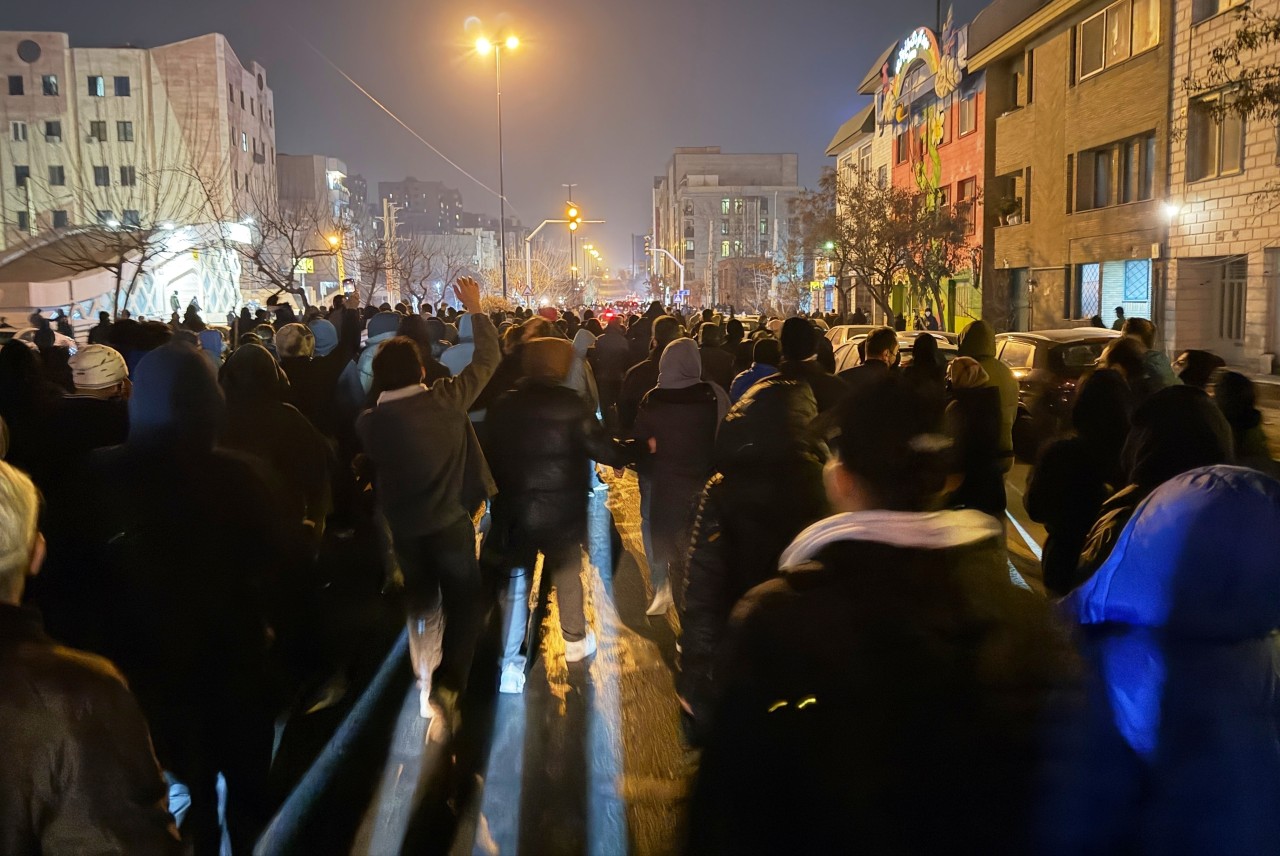
Negotiations between Iran and the United States have intensified, with Tehran leveraging its strategic position to extract concessions from Washington. The ongoing diplomatic talks focus on reviving the 2015 nuclear agreement, formally known as the Joint Comprehensive Plan of Action (JCPOA), which aimed to limit Iran’s nuclear capabilities in exchange for relief from economic sanctions.
U.S. President Donald Trump has adopted a firm stance during these discussions, asserting that his administration is willing to consider military options if diplomatic efforts fail. This approach underscores the high stakes involved in negotiations, where Iran is perceived to have gained an upper hand by demonstrating resilience against economic pressures.
Iran’s Strategy in Diplomatic Talks
Tehran has shown adeptness in navigating the complexities of international diplomacy. By engaging with both regional allies and global powers, Iran seeks to present itself as a critical player in Middle Eastern politics. This strategy has allowed Iran to strengthen its bargaining position, especially as it pushes back against U.S. sanctions that have significantly impacted its economy.
The Iranian government has emphasized its commitment to its nuclear program, which it maintains is for peaceful purposes. This assertion, however, is met with skepticism from the international community, particularly the United States, which views Iran’s nuclear ambitions as a potential threat. Trump’s administration has indicated that any agreement must include measures to prevent Iran from developing nuclear weapons capabilities.
In this context, the U.S. has recently reaffirmed its commitment to increasing sanctions on Iran, which could further strain economic relations. The Iranian economy has already faced significant hurdles, with inflation rates soaring and unemployment rising. As the diplomatic talks progress, the balance of power seems to shift, creating an intricate dynamic for both sides.
Potential Consequences of Military Options
The possibility of military intervention has loomed over the negotiations, as Trump’s administration has made it clear that all options remain on the table. This stance has raised concerns among various stakeholders, including European nations that were part of the original nuclear agreement. Many fear that escalations could lead to regional instability and conflict.
A military response could have severe implications not only for Iran but also for the broader Middle East. The potential for armed conflict raises questions about the security of oil supplies and the economic ramifications for global markets. As a result, the international community is closely monitoring the situation, urging both parties to pursue diplomatic solutions rather than resorting to force.
The complex interplay of diplomacy and military readiness defines the current landscape of U.S.-Iran relations. While Iran attempts to position itself advantageously at the negotiating table, the U.S. maintains a cautious approach, weighing the potential outcomes of its decisions. The coming weeks will be crucial as both nations navigate these treacherous waters in search of a resolution that satisfies their respective interests.
Negotiations continue to unfold, and the world watches closely as the stakes remain high in this intricate geopolitical chess match.

Robinhood Stock Surges 2.5% Today Amid Tech Market Recovery

Philadelphia’s Earth Month Kicks Off with Free Events in Parks

GSK’s Inhaler Decision Sparks Health Concerns for Children

Bradford’s Fish Fry Fridays Offer Community Spirit and Flavor

Speculation Rises on Shutdowns During Trump’s Potential Presidency

Samsung Galaxy Watch 9 to Feature Larger Battery, Report Reveals

Inventors Find New Purpose Through Unconventional Paths

UConn Huskies Aim for Back-to-Back Titles in 2026 NCAA Tournament

U.S. Mine Countermeasure Ships Dock in Malaysia for Logistics Stop

University of Hawaiʻi at Mānoa Joins $25.6M AI Initiative for Disaster Monitoring

$2.2 Million Boost for Cancer Research and Training in Hawaiʻi

ALMA Discovers Companion Orbiting Red Giant Star π 1 Gruis

Sacituzumab Govitecan Shows Promise for HR+/HER2− Breast Cancer

币安人生 Sees $15.92 Million in Trading Volume Amid Market Fluctuations

New Gel Offers Hope for Regrowing Tooth Enamel in Dentistry

CAVA Group Shares Surge 5.1% Amid Mixed Analyst Ratings

Christian Bale in Talks to Join Leonardo DiCaprio in Heat 2

Supreme Court to Review Birthright Citizenship for Children of Immigrants
-
Science8 months ago
University of Hawaiʻi at Mānoa Joins $25.6M AI Initiative for Disaster Monitoring
-
 Health7 months ago
$2.2 Million Boost for Cancer Research and Training in Hawaiʻi
-
 Science8 months ago
ALMA Discovers Companion Orbiting Red Giant Star π 1 Gruis
-
 Health7 months ago
Sacituzumab Govitecan Shows Promise for HR+/HER2− Breast Cancer
-
Politics4 months ago
币安人生 Sees $15.92 Million in Trading Volume Amid Market Fluctuations
-
 Health8 months ago
New Gel Offers Hope for Regrowing Tooth Enamel in Dentistry
-
 Business7 months ago
CAVA Group Shares Surge 5.1% Amid Mixed Analyst Ratings
-
 Entertainment8 months ago
Christian Bale in Talks to Join Leonardo DiCaprio in Heat 2
-
 Politics7 months ago
Supreme Court to Review Birthright Citizenship for Children of Immigrants
-

 Lifestyle8 months ago
Art Deco and Traditional Designs Set to Transform Homes in 2026
-

 Lifestyle7 months ago
Fernando Mendoza Secures Maxwell and O’Brien Awards Ahead of Heisman
-

 World8 months ago
Swiss Residents Reject 50% Inheritance Tax on Wealthy