
Top Stories
Measles Resurgence in the U.S. Raises Alarming Health Concerns

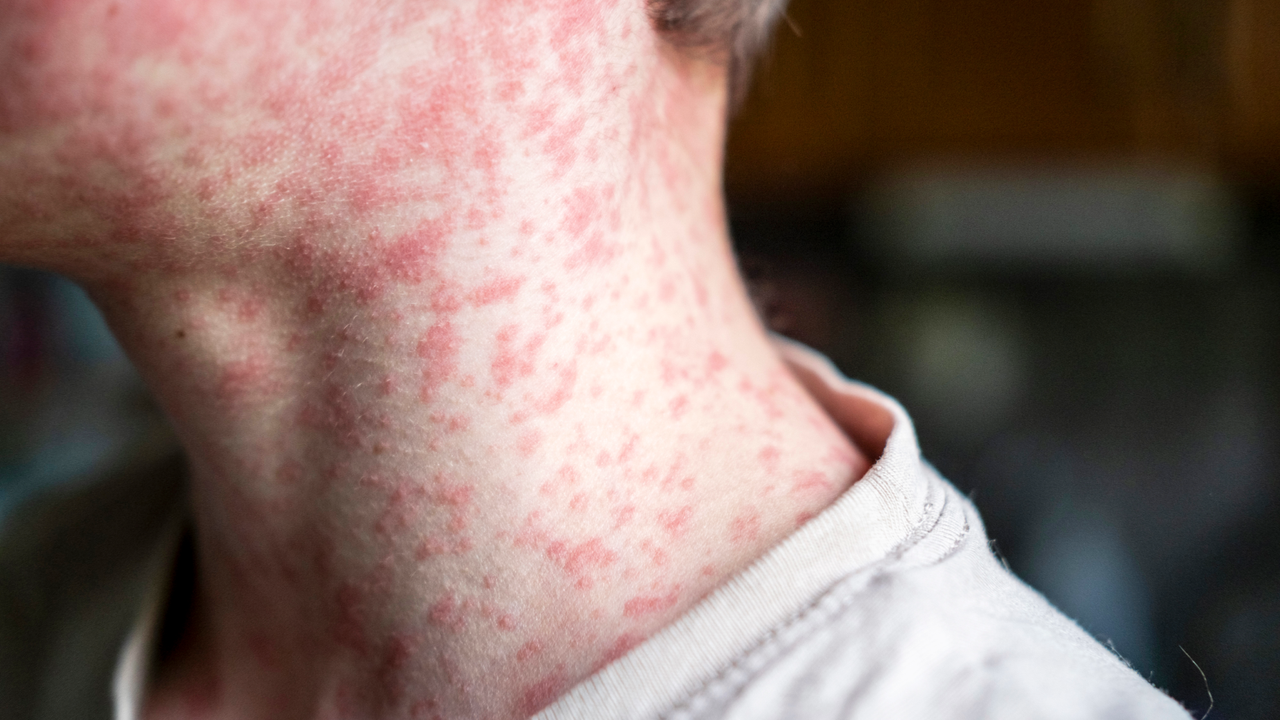
The resurgence of measles in the United States has reached alarming levels, with health officials reporting approximately 1,300 infections as of March 6, 2026. This trend is indicative of a broader public health crisis, as more than 30 states have recorded measles cases this year alone. The ongoing outbreaks were first triggered by a significant outbreak in Texas that lasted from January to August 2025, followed by incidents along the Utah-Arizona border and a continuing outbreak in South Carolina.
The health implications are dire. South Carolina’s outbreak has amassed nearly 790 cases, the largest in decades. As vaccination rates drop, the risk of further outbreaks increases, raising concerns about the overall health of the population. In just one year, measles has reemerged as a serious threat, with fatalities recorded in 2025 marking the highest death toll since the disease was eliminated in the U.S. nearly a quarter-century ago.
Vaccination Rates Decline
The root cause of this resurgence can be traced back to declining vaccination rates. Currently, around 90% of the U.S. population has received the MMR vaccine, which protects against measles, mumps, and rubella. However, in certain regions, vaccination rates fall below 60%. Since 2019, the national vaccination rate has dropped below the 95% threshold necessary for herd immunity, allowing measles to find vulnerable pockets within communities.
The Pan American Health Organization is set to review whether the U.S. should lose its measles elimination status, a designation achieved in 2000. Current trends indicate that both the U.S. and Mexico, which is also combating outbreaks, may lose this status. Canada has already lost its designation as of November 2025, highlighting a concerning trend across North America.
Health and Economic Impacts
The resurgence of measles carries severe health consequences. In 2025, 11% of the confirmed measles cases required hospitalization, and the actual number could be higher, especially in South Carolina, where hospitals are not required to report admissions related to measles complications. The complications from measles can be severe, including pneumonia and encephalitis, which can lead to long-term health issues such as deafness or intellectual disabilities.
Each measles outbreak also carries significant economic ramifications. Historical data shows that the cost of containing outbreaks can reach tens of thousands of dollars per case. For instance, a measles outbreak in Washington state from 2018 to 2019, involving just 72 cases, resulted in approximately US$3.2 million in public health response costs. A sustained 1% drop in MMR vaccination coverage could cost the U.S. billions, underscoring the economic burden of preventable diseases.
The challenges posed by the current measles outbreaks highlight systemic issues within public health. The ability to control measles is often viewed as a bellwether for managing other infectious diseases. Effective strategies—such as widespread vaccination, timely detection, and isolation of cases—are crucial for public health efficacy.
Public trust in vaccination programs is deteriorating, with polling from the Kaiser Family Foundation (KFF) indicating that less than half of respondents trust the government to provide reliable vaccine information. This declining confidence complicates efforts to safeguard the population against future health threats, whether from outbreaks, pandemics, or biological attacks.
The return of measles serves as a grim reminder of the importance of maintaining high vaccination rates to prevent not only this disease but also to strengthen the overall public health infrastructure. The ongoing situation demands urgent attention from health officials, policymakers, and the public alike.

Robinhood Stock Surges 2.5% Today Amid Tech Market Recovery

Philadelphia’s Earth Month Kicks Off with Free Events in Parks

GSK’s Inhaler Decision Sparks Health Concerns for Children

Bradford’s Fish Fry Fridays Offer Community Spirit and Flavor

Speculation Rises on Shutdowns During Trump’s Potential Presidency

Samsung Galaxy Watch 9 to Feature Larger Battery, Report Reveals

Inventors Find New Purpose Through Unconventional Paths

UConn Huskies Aim for Back-to-Back Titles in 2026 NCAA Tournament

U.S. Mine Countermeasure Ships Dock in Malaysia for Logistics Stop

University of Hawaiʻi at Mānoa Joins $25.6M AI Initiative for Disaster Monitoring

$2.2 Million Boost for Cancer Research and Training in Hawaiʻi

ALMA Discovers Companion Orbiting Red Giant Star π 1 Gruis

Sacituzumab Govitecan Shows Promise for HR+/HER2− Breast Cancer

币安人生 Sees $15.92 Million in Trading Volume Amid Market Fluctuations

New Gel Offers Hope for Regrowing Tooth Enamel in Dentistry

CAVA Group Shares Surge 5.1% Amid Mixed Analyst Ratings

Christian Bale in Talks to Join Leonardo DiCaprio in Heat 2

Supreme Court to Review Birthright Citizenship for Children of Immigrants
-
Science8 months ago
University of Hawaiʻi at Mānoa Joins $25.6M AI Initiative for Disaster Monitoring
-
 Health7 months ago
$2.2 Million Boost for Cancer Research and Training in Hawaiʻi
-
 Science8 months ago
ALMA Discovers Companion Orbiting Red Giant Star π 1 Gruis
-
 Health7 months ago
Sacituzumab Govitecan Shows Promise for HR+/HER2− Breast Cancer
-
Politics4 months ago
币安人生 Sees $15.92 Million in Trading Volume Amid Market Fluctuations
-
 Health8 months ago
New Gel Offers Hope for Regrowing Tooth Enamel in Dentistry
-
 Business7 months ago
CAVA Group Shares Surge 5.1% Amid Mixed Analyst Ratings
-
 Entertainment8 months ago
Christian Bale in Talks to Join Leonardo DiCaprio in Heat 2
-
 Politics7 months ago
Supreme Court to Review Birthright Citizenship for Children of Immigrants
-

 Lifestyle8 months ago
Art Deco and Traditional Designs Set to Transform Homes in 2026
-

 Lifestyle7 months ago
Fernando Mendoza Secures Maxwell and O’Brien Awards Ahead of Heisman
-

 World8 months ago
Swiss Residents Reject 50% Inheritance Tax on Wealthy