
Top Stories
New Insights Reveal Major Confusion in Open Source Software

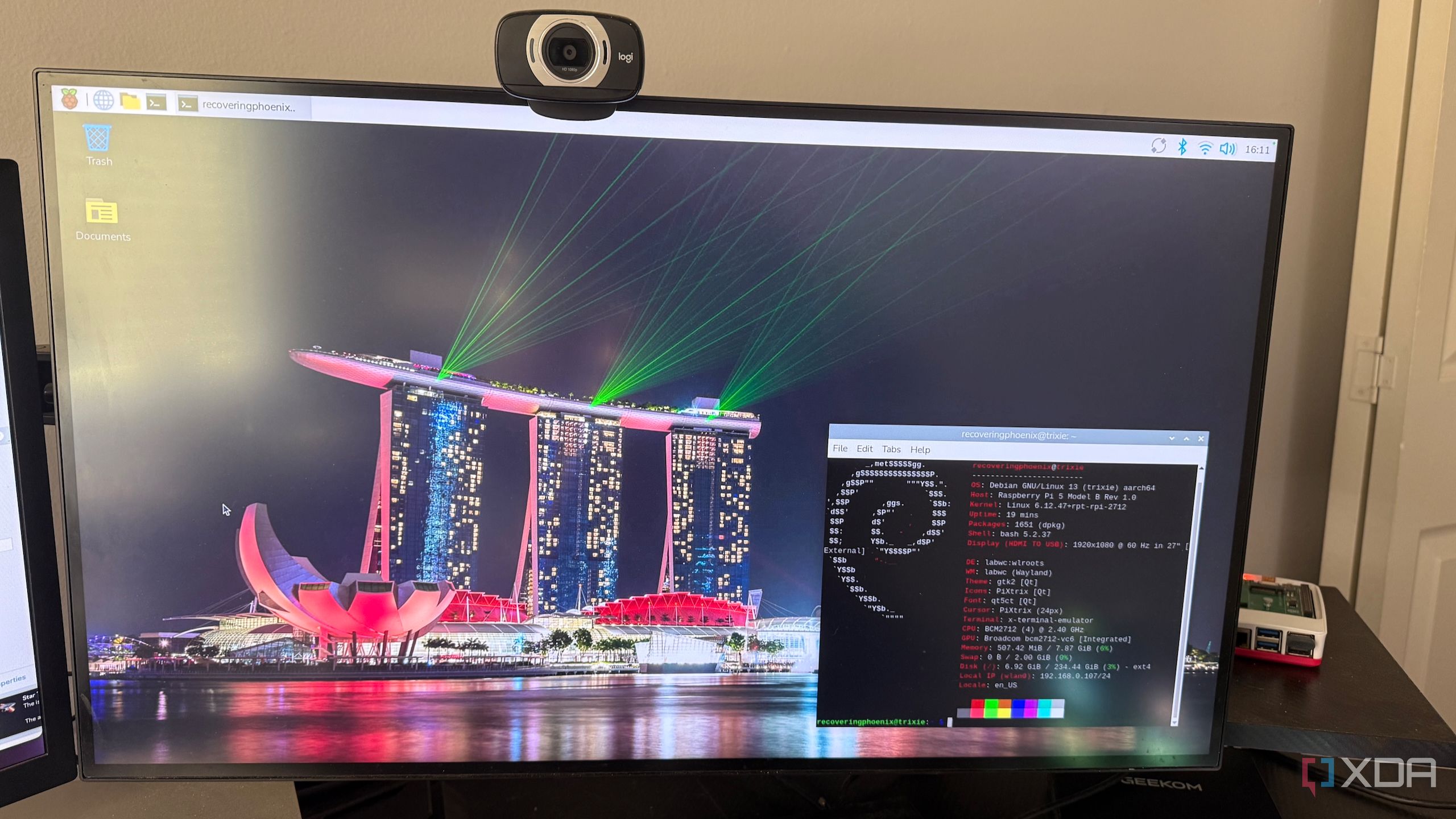
New reports confirm a disturbing trend in software labeling that could impact users worldwide. A growing number of companies are marketing their products as “open-source” while employing restrictive licenses that limit user freedoms. This urgent issue challenges the very foundation of the open-source movement, affecting developers and users alike.
Experts warn that the blurring line between “open-source” and “source-available” software is misleading consumers. While transparency is often touted, it does not guarantee freedom. Notably, projects like Meta’s Llama have attracted attention for their restrictive licenses, which prohibit commercial use despite being labeled as open-source. Similarly, Elastic and Redis have pivoted from open-source to source-available models, further complicating user rights.
The Open Source Initiative (OSI) defines true open-source software as that which permits unrestricted use, modification, and redistribution under licenses such as the GNU General Public License (GPL). However, many companies now use the term “open” to create a veneer of transparency while imposing limitations that contradict the essence of open-source principles.
This shift has significant implications. Users, excited by the promise of open collaboration, often discover that they cannot modify or share the software as they anticipated. The emotional impact is profound; developers who once thrived in collaborative environments are now left feeling restricted and confused.
The real-world consequences are evident. As companies prioritize their business interests, the community suffers. Projects that are meant to be collaborative are increasingly controlled by single entities, undermining the community-driven ethos that has fueled innovations like Linux and Blender.
To differentiate between genuine open-source and source-available software, users are advised to examine licenses closely. OSI-approved licenses guarantee freedoms that restricted licenses do not. This clarity is essential for fostering true innovation and collaboration.
As this situation develops, experts emphasize the importance of maintaining the integrity of the open-source label. The movement thrives on shared ownership and accountability, and diluting this term could deter future contributors and innovations.
In an industry where every decision counts, understanding these distinctions is critical. Users are encouraged to support authentic open-source projects to ensure a diverse and adaptable software landscape. The future of collaboration in the tech world hinges on this understanding, making it imperative for users and developers to act wisely.
Stay tuned for further updates on this evolving story as the implications of these changes continue to unfold.

Robinhood Stock Surges 2.5% Today Amid Tech Market Recovery

Philadelphia’s Earth Month Kicks Off with Free Events in Parks

GSK’s Inhaler Decision Sparks Health Concerns for Children

Bradford’s Fish Fry Fridays Offer Community Spirit and Flavor

Speculation Rises on Shutdowns During Trump’s Potential Presidency

Samsung Galaxy Watch 9 to Feature Larger Battery, Report Reveals

Inventors Find New Purpose Through Unconventional Paths

UConn Huskies Aim for Back-to-Back Titles in 2026 NCAA Tournament

U.S. Mine Countermeasure Ships Dock in Malaysia for Logistics Stop

University of Hawaiʻi at Mānoa Joins $25.6M AI Initiative for Disaster Monitoring

$2.2 Million Boost for Cancer Research and Training in Hawaiʻi

ALMA Discovers Companion Orbiting Red Giant Star π 1 Gruis

Sacituzumab Govitecan Shows Promise for HR+/HER2− Breast Cancer

币安人生 Sees $15.92 Million in Trading Volume Amid Market Fluctuations

New Gel Offers Hope for Regrowing Tooth Enamel in Dentistry

CAVA Group Shares Surge 5.1% Amid Mixed Analyst Ratings

Christian Bale in Talks to Join Leonardo DiCaprio in Heat 2

Supreme Court to Review Birthright Citizenship for Children of Immigrants
-
Science9 months ago
University of Hawaiʻi at Mānoa Joins $25.6M AI Initiative for Disaster Monitoring
-
 Health8 months ago
$2.2 Million Boost for Cancer Research and Training in Hawaiʻi
-
 Science9 months ago
ALMA Discovers Companion Orbiting Red Giant Star π 1 Gruis
-
 Health7 months ago
Sacituzumab Govitecan Shows Promise for HR+/HER2− Breast Cancer
-
Politics5 months ago
币安人生 Sees $15.92 Million in Trading Volume Amid Market Fluctuations
-
 Health9 months ago
New Gel Offers Hope for Regrowing Tooth Enamel in Dentistry
-
 Business8 months ago
CAVA Group Shares Surge 5.1% Amid Mixed Analyst Ratings
-
 Entertainment9 months ago
Christian Bale in Talks to Join Leonardo DiCaprio in Heat 2
-
 Politics8 months ago
Supreme Court to Review Birthright Citizenship for Children of Immigrants
-

 Lifestyle9 months ago
Art Deco and Traditional Designs Set to Transform Homes in 2026
-

 Lifestyle8 months ago
Fernando Mendoza Secures Maxwell and O’Brien Awards Ahead of Heisman
-

 World8 months ago
Swiss Residents Reject 50% Inheritance Tax on Wealthy