
Top Stories
Trump Ups Ante on Global Threats, New Theory of Neo-Royalism Emerges

URGENT UPDATE: President Donald Trump escalated his rhetoric on global dominance over the weekend, suggesting that Cuba could be the next target for U.S. intervention as tensions rise following the capture of Nicolás Maduro in Venezuela. “Cuba looks like it’s ready to fall,” Trump stated while returning to Mar-a-Lago, raising alarms about America’s intentions in the region.
In a dramatic display of hubris, top aide Stephen Miller proclaimed on CNN that, “Nobody is going to fight the U.S. militarily over its future,” while Secretary of War Pete Hegseth warned other nations to “Fuck around and find out.” This barrage of threats has sparked urgent discussions about the underlying motivations driving Trump’s foreign policy.
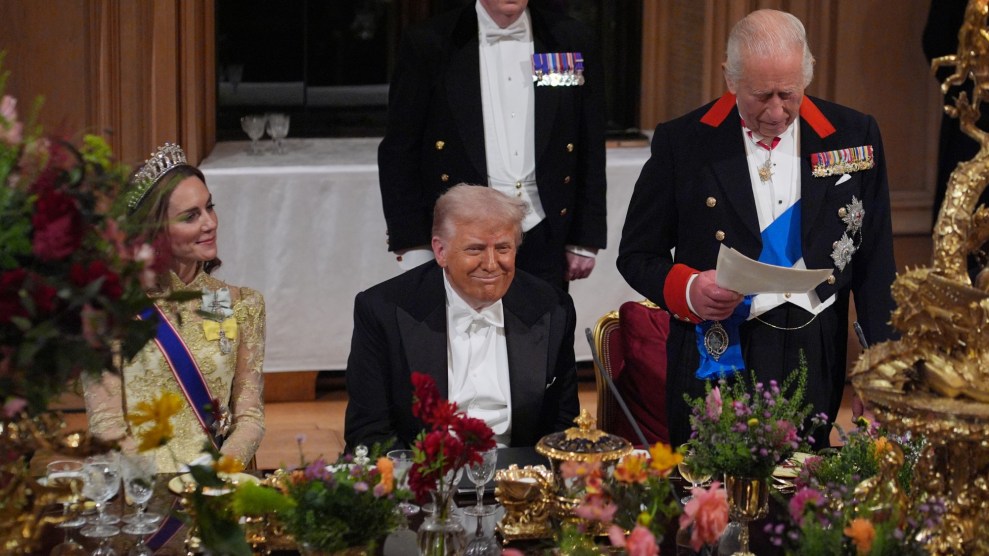
Political scientists are now proposing a controversial new theory termed neo-royalism, suggesting that the traditional rules-based international order is collapsing. Instead, a new world structure is emerging, dominated by elite groups centered around powerful leaders, rather than national interests. “The state is not the key actor,” explained Abe Newman, a political scientist at Georgetown University. “It’s groups of elites organized around political leaders.”
The implications of this theory are profound, challenging the very fabric of international relations. As Trump’s administration engages in what appears to be a concerted effort to reshape global power dynamics, experts argue that understanding this shift is crucial for predicting future conflicts.
Amid this turmoil, Trump’s actions toward Venezuela are particularly telling. Analysts suggest that rather than a simple quest for oil, the U.S. sees Venezuela as a resource to leverage for political and economic gain among allies. Newman noted that this approach resembles a Game of Thrones-like struggle for dominance, where the interests of elite factions, rather than national needs, drive foreign policy decisions.
As the international community grapples with these developments, the stakes are incredibly high. Senator Chuck Schumer recently urged Republicans to oppose these aggressive maneuvers, highlighting the need for a united front against Trump’s transformative agenda. However, the effectiveness of traditional diplomatic responses is being called into question as the rules governing international relations continue to erode.
Countries opposing Trump’s neo-royalism must recognize that this new order is not just a domestic issue; it threatens global stability. Experts warn that without a concerted international effort to uphold established norms, the risk of violence and corruption will rise sharply.
As Trump’s regime continues to navigate these treacherous waters, observers are left wondering how this theory will play out on the world stage. The response of other nations will be crucial in determining whether the U.S. can maintain its position as a global leader or if it will be relegated to a more chaotic role in international affairs.
This developing story will continue to evolve as experts analyze the ramifications of Trump’s foreign policy and the rise of neo-royalism. Stay tuned for updates as we monitor this situation closely.

Robinhood Stock Surges 2.5% Today Amid Tech Market Recovery

Philadelphia’s Earth Month Kicks Off with Free Events in Parks

GSK’s Inhaler Decision Sparks Health Concerns for Children

Bradford’s Fish Fry Fridays Offer Community Spirit and Flavor

Speculation Rises on Shutdowns During Trump’s Potential Presidency

Samsung Galaxy Watch 9 to Feature Larger Battery, Report Reveals

Inventors Find New Purpose Through Unconventional Paths

UConn Huskies Aim for Back-to-Back Titles in 2026 NCAA Tournament

U.S. Mine Countermeasure Ships Dock in Malaysia for Logistics Stop

University of Hawaiʻi at Mānoa Joins $25.6M AI Initiative for Disaster Monitoring

$2.2 Million Boost for Cancer Research and Training in Hawaiʻi

ALMA Discovers Companion Orbiting Red Giant Star π 1 Gruis

Sacituzumab Govitecan Shows Promise for HR+/HER2− Breast Cancer

币安人生 Sees $15.92 Million in Trading Volume Amid Market Fluctuations

New Gel Offers Hope for Regrowing Tooth Enamel in Dentistry

CAVA Group Shares Surge 5.1% Amid Mixed Analyst Ratings

Christian Bale in Talks to Join Leonardo DiCaprio in Heat 2

Supreme Court to Review Birthright Citizenship for Children of Immigrants
-
Science9 months ago
University of Hawaiʻi at Mānoa Joins $25.6M AI Initiative for Disaster Monitoring
-
 Health7 months ago
$2.2 Million Boost for Cancer Research and Training in Hawaiʻi
-
 Science9 months ago
ALMA Discovers Companion Orbiting Red Giant Star π 1 Gruis
-
 Health7 months ago
Sacituzumab Govitecan Shows Promise for HR+/HER2− Breast Cancer
-
Politics5 months ago
币安人生 Sees $15.92 Million in Trading Volume Amid Market Fluctuations
-
 Health9 months ago
New Gel Offers Hope for Regrowing Tooth Enamel in Dentistry
-
 Business8 months ago
CAVA Group Shares Surge 5.1% Amid Mixed Analyst Ratings
-
 Entertainment8 months ago
Christian Bale in Talks to Join Leonardo DiCaprio in Heat 2
-
 Politics8 months ago
Supreme Court to Review Birthright Citizenship for Children of Immigrants
-

 Lifestyle8 months ago
Art Deco and Traditional Designs Set to Transform Homes in 2026
-

 Lifestyle8 months ago
Fernando Mendoza Secures Maxwell and O’Brien Awards Ahead of Heisman
-

 World8 months ago
Swiss Residents Reject 50% Inheritance Tax on Wealthy