
Top Stories
Virginia Assembly Fails to Rein in Data Center Growth: Urgent Update

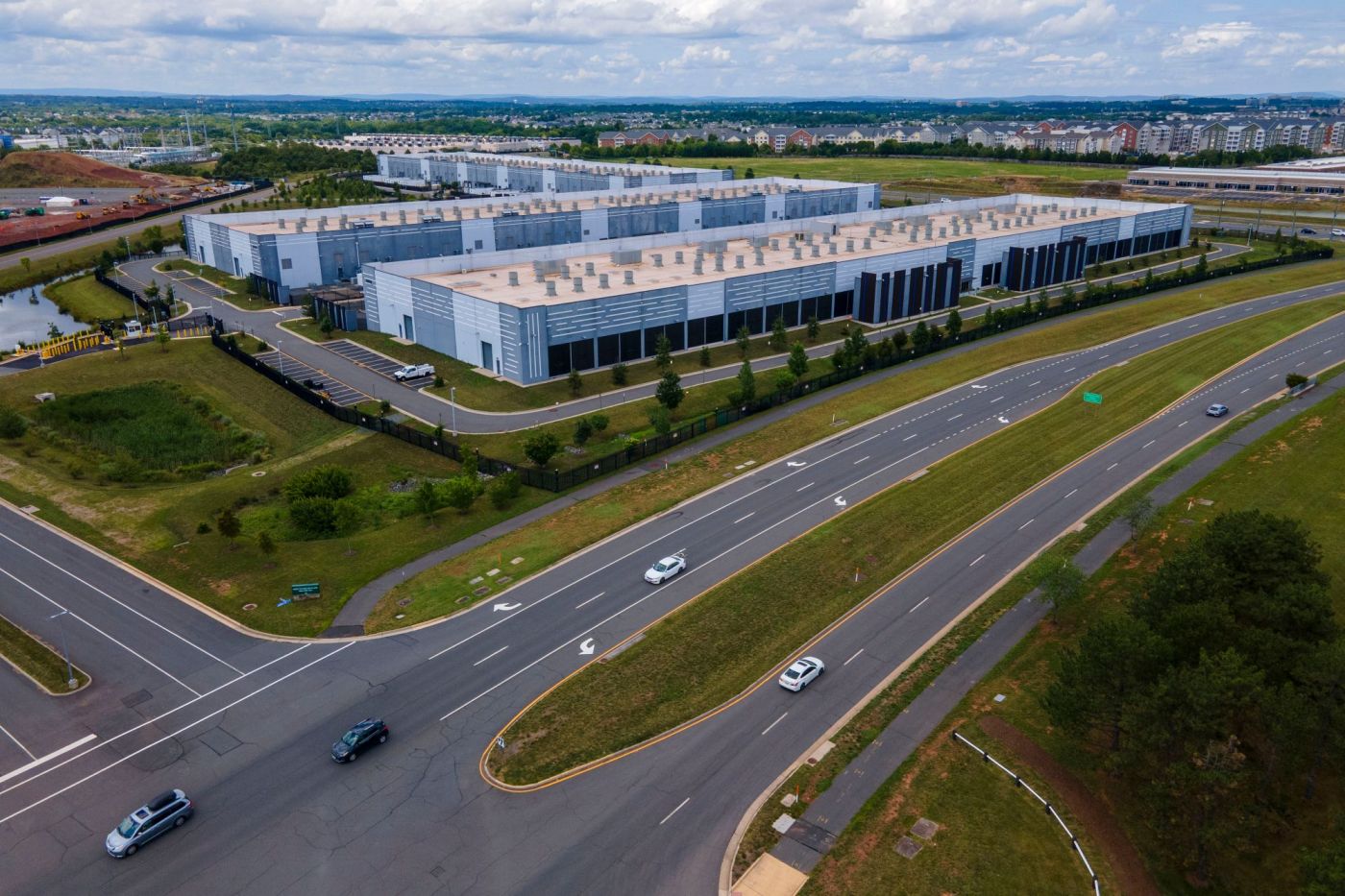
UPDATE: The Virginia General Assembly is facing intense criticism as more than 60 data center-related bills introduced this session stall or are continued to next year. With less than two weeks left in the session, advocates warn that legislation passed may insufficiently address the overwhelming growth of data centers, which are increasingly straining the state’s vital resources.
Chris Miller, president of the Piedmont Environmental Council, emphasized the urgent need for oversight: “The energy infrastructure, the water supply infrastructure… is going to affect 100 times more land than the data center footprint itself.” Virginia is already grappling with a crisis, as data centers currently account for over 20% of the state’s electricity consumption—a figure that could surge to between 39% and 57% by 2030, according to the Electric Power Research Institute.
Miller points out the staggering financial implications: “We’re talking about tripling the system and needing an investment between $400 to $500 billion in infrastructure to support these data centers.” The General Assembly’s inaction is frustrating many, as crucial opportunities for regulatory action slip away.
Two key bills, SB619 and SB339, designed to enhance regulatory powers over data centers, have garnered some bipartisan support but are stagnating. SB619 would require high-load facilities to seek approval from the State Corporation Commission (SCC) before construction, ensuring they meet necessary energy and infrastructure requirements. Despite passing in the Senate, a House subcommittee has recommended shelving it.
Meanwhile, SB339 aims to study cost allocation for energy transmission from high-load customers and has also hit a wall in the House. Miller stresses, “There are some good bills that passed, but they don’t address the core problem, which is we’re approving data centers too fast.”
Governor Abigail Spanberger has yet to comment on whether she supports stronger regulatory measures. Advocates are particularly concerned about the long-term impacts on Virginia’s water supply, as large data centers can consume up to 5 million gallons of water daily for cooling. Although a 2024 report found current water use sustainable, it flagged rising consumption and lack of centralized oversight as critical issues.
A proposed bill, HB589, aimed to require water utilities to report on data center water usage, has already died in committee, while SB553, which proposes similar requirements, is headed to a conference committee with the House version relaxing the standards.
Additional legislation includes measures for utility demand flexibility for high-energy customers and stricter emission standards for data centers. The Senate’s budget proposal includes nearly $1 billion in potential revenue from ending the data center sales and use tax exemption, while the House version does not.
Supporters of data centers argue they are vital for job creation, with the industry currently responsible for 74,000 jobs and contributing $9.1 billion to Virginia’s economy annually. The Data Center Coalition defends the economic benefits, stating that Virginia’s appeal as an investment destination hinges on its competitive tax and regulatory environment.
As the clock ticks down on the legislative session, advocates urge immediate action. “The House must realize that this isn’t sufficient, and the governor needs to send a strong signal,” Miller implores. The future of Virginia’s resources hangs in the balance as urgent calls for accountability and oversight grow louder.
Stay tuned for more updates as the situation develops.

Robinhood Stock Surges 2.5% Today Amid Tech Market Recovery

Philadelphia’s Earth Month Kicks Off with Free Events in Parks

GSK’s Inhaler Decision Sparks Health Concerns for Children

Bradford’s Fish Fry Fridays Offer Community Spirit and Flavor

Speculation Rises on Shutdowns During Trump’s Potential Presidency

Samsung Galaxy Watch 9 to Feature Larger Battery, Report Reveals

Inventors Find New Purpose Through Unconventional Paths

UConn Huskies Aim for Back-to-Back Titles in 2026 NCAA Tournament

U.S. Mine Countermeasure Ships Dock in Malaysia for Logistics Stop

University of Hawaiʻi at Mānoa Joins $25.6M AI Initiative for Disaster Monitoring

$2.2 Million Boost for Cancer Research and Training in Hawaiʻi

ALMA Discovers Companion Orbiting Red Giant Star π 1 Gruis

Sacituzumab Govitecan Shows Promise for HR+/HER2− Breast Cancer

币安人生 Sees $15.92 Million in Trading Volume Amid Market Fluctuations

New Gel Offers Hope for Regrowing Tooth Enamel in Dentistry

CAVA Group Shares Surge 5.1% Amid Mixed Analyst Ratings

Christian Bale in Talks to Join Leonardo DiCaprio in Heat 2

Supreme Court to Review Birthright Citizenship for Children of Immigrants
-
Science8 months ago
University of Hawaiʻi at Mānoa Joins $25.6M AI Initiative for Disaster Monitoring
-
 Health7 months ago
$2.2 Million Boost for Cancer Research and Training in Hawaiʻi
-
 Science8 months ago
ALMA Discovers Companion Orbiting Red Giant Star π 1 Gruis
-
 Health7 months ago
Sacituzumab Govitecan Shows Promise for HR+/HER2− Breast Cancer
-
Politics4 months ago
币安人生 Sees $15.92 Million in Trading Volume Amid Market Fluctuations
-
 Health8 months ago
New Gel Offers Hope for Regrowing Tooth Enamel in Dentistry
-
 Business7 months ago
CAVA Group Shares Surge 5.1% Amid Mixed Analyst Ratings
-
 Entertainment8 months ago
Christian Bale in Talks to Join Leonardo DiCaprio in Heat 2
-
 Politics7 months ago
Supreme Court to Review Birthright Citizenship for Children of Immigrants
-

 Lifestyle7 months ago
Fernando Mendoza Secures Maxwell and O’Brien Awards Ahead of Heisman
-

 Lifestyle8 months ago
Art Deco and Traditional Designs Set to Transform Homes in 2026
-

 World7 months ago
Swiss Residents Reject 50% Inheritance Tax on Wealthy