
Top Stories
Wi-Fi Signal Strength Misleading: Real Performance May Lag Behind

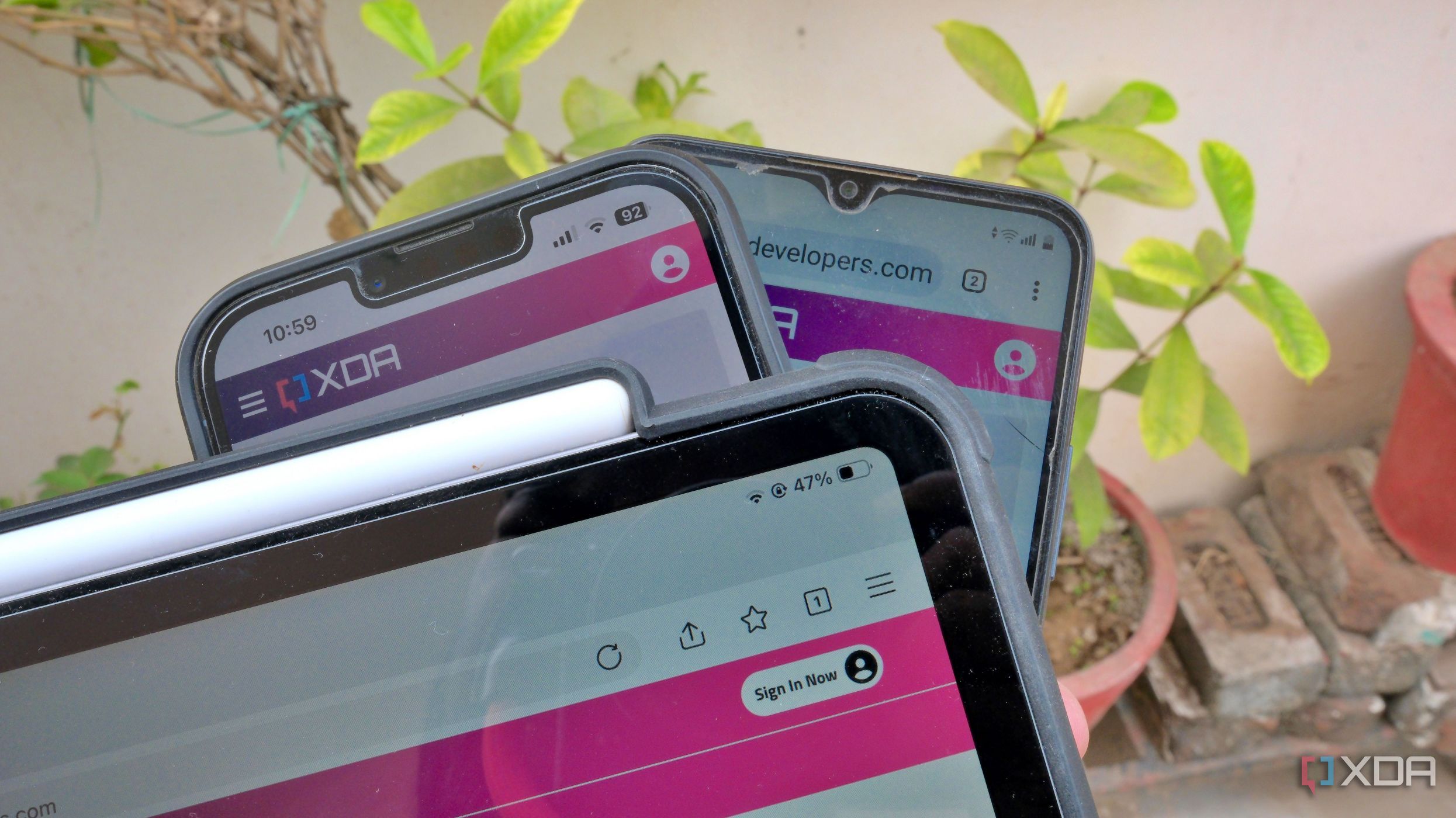
URGENT UPDATE: New insights reveal that full Wi-Fi signal bars may not guarantee reliable internet performance, leaving many users frustrated and confused. As connectivity issues plague users in crowded public spaces and at home, understanding the true nature of Wi-Fi signals is more critical than ever.
Reports indicate that despite showing full bars, devices such as smartphones and laptops are experiencing slow speeds and connectivity problems. This paradox is evident in bustling locations like airports, cafes, and even personal networks. Users often blame their Internet Service Providers (ISPs) or outdated routers, but the real issue lies in the misleading nature of Wi-Fi signal indicators.
What do full Wi-Fi bars mean? At first glance, the visual representation of Wi-Fi strength suggests a solid connection between devices and routers. However, this signal strength does not accurately reflect actual performance. For instance, users connecting devices like the Android 11, iPhone 13 Pro Max, and iPad Pro (M1) to a home network’s 2.4 GHz band may notice significant speed discrepancies, even with similar signal strength readings.
During testing, users reported excellent speeds initially, but subsequent tests revealed drastically slower performance. This inconsistency raises urgent questions: How can a strong signal lead to such poor performance?
The issues stem from various factors, including router placement, physical obstructions, and network congestion. Walls, furniture, and external interference can weaken signals, contributing to sluggish performance. In many cases, routers automatically selecting crowded channels exacerbate the problem, slowing down connectivity for all users in the vicinity.
Wi-Fi technology evolves, but challenges remain. Users may see indicators for advanced technologies like Wi-Fi 6 and Wi-Fi 7 on their devices, suggesting enhanced speed potential. However, the true capabilities of the connection remain obscured. Only through rigorous testing—such as speed tests—can users discern latency, jitter, and potential packet loss that affect their experience.
Compounding the problem, network congestion can occur when multiple devices connect to the same frequency band. Users must be vigilant, as the Wi-Fi signal strength icon fails to reveal how many devices are sharing the connection, leading to disappointing results despite full bars.
What can users do? To optimize performance, users should consider adjusting router settings to minimize interference and ensure devices are connected to the most effective frequency bands. Such efforts can significantly enhance connectivity, especially for devices requiring reliable speeds, like laptops and gaming consoles.
In summary, while full Wi-Fi bars may offer a false sense of security, understanding the limitations of these indicators is crucial for achieving optimal performance. Users are encouraged to conduct tests and make necessary adjustments to enhance their connectivity experiences.
As Wi-Fi technology continues to develop, staying informed about these factors will empower users to troubleshoot their connections effectively. Given the increasing reliance on internet connectivity for work, study, and leisure, this knowledge is more important than ever.
Stay tuned for more urgent updates on connectivity issues and solutions as we continue to monitor the situation. Share this article to inform others about the hidden challenges of Wi-Fi performance!

Robinhood Stock Surges 2.5% Today Amid Tech Market Recovery

Philadelphia’s Earth Month Kicks Off with Free Events in Parks

GSK’s Inhaler Decision Sparks Health Concerns for Children

Bradford’s Fish Fry Fridays Offer Community Spirit and Flavor

Speculation Rises on Shutdowns During Trump’s Potential Presidency

Samsung Galaxy Watch 9 to Feature Larger Battery, Report Reveals

Inventors Find New Purpose Through Unconventional Paths

UConn Huskies Aim for Back-to-Back Titles in 2026 NCAA Tournament

U.S. Mine Countermeasure Ships Dock in Malaysia for Logistics Stop

University of Hawaiʻi at Mānoa Joins $25.6M AI Initiative for Disaster Monitoring

$2.2 Million Boost for Cancer Research and Training in Hawaiʻi

ALMA Discovers Companion Orbiting Red Giant Star π 1 Gruis

Sacituzumab Govitecan Shows Promise for HR+/HER2− Breast Cancer

币安人生 Sees $15.92 Million in Trading Volume Amid Market Fluctuations

New Gel Offers Hope for Regrowing Tooth Enamel in Dentistry

CAVA Group Shares Surge 5.1% Amid Mixed Analyst Ratings

Christian Bale in Talks to Join Leonardo DiCaprio in Heat 2

Supreme Court to Review Birthright Citizenship for Children of Immigrants
-
Science8 months ago
University of Hawaiʻi at Mānoa Joins $25.6M AI Initiative for Disaster Monitoring
-
 Health7 months ago
$2.2 Million Boost for Cancer Research and Training in Hawaiʻi
-
 Science8 months ago
ALMA Discovers Companion Orbiting Red Giant Star π 1 Gruis
-
 Health7 months ago
Sacituzumab Govitecan Shows Promise for HR+/HER2− Breast Cancer
-
Politics4 months ago
币安人生 Sees $15.92 Million in Trading Volume Amid Market Fluctuations
-
 Health8 months ago
New Gel Offers Hope for Regrowing Tooth Enamel in Dentistry
-
 Business7 months ago
CAVA Group Shares Surge 5.1% Amid Mixed Analyst Ratings
-
 Entertainment8 months ago
Christian Bale in Talks to Join Leonardo DiCaprio in Heat 2
-
 Politics7 months ago
Supreme Court to Review Birthright Citizenship for Children of Immigrants
-

 Lifestyle7 months ago
Fernando Mendoza Secures Maxwell and O’Brien Awards Ahead of Heisman
-

 Lifestyle8 months ago
Art Deco and Traditional Designs Set to Transform Homes in 2026
-

 World7 months ago
Swiss Residents Reject 50% Inheritance Tax on Wealthy