
World
Congress Must Act as Trump Pursues Controversial Greenland Deal

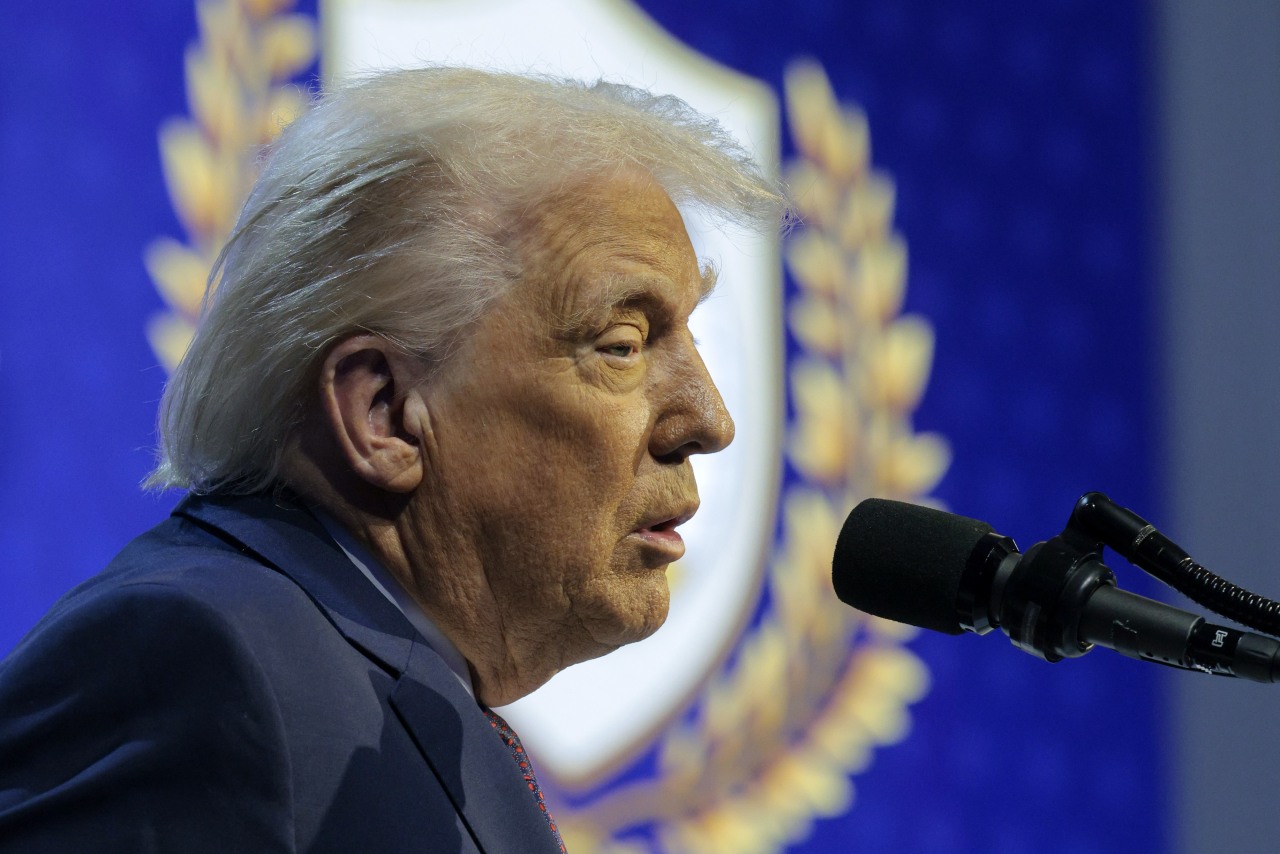
The proposal from President Donald Trump to acquire Greenland, a territory of Denmark, has sparked significant controversy and debate within the United States. This plan, which surfaced in August 2019, raises critical questions about the implications for American foreign policy, particularly in relation to NATO and the broader international community.
As discussions around the acquisition continue, many are urging Congress to intervene. Critics argue that the president’s focus on Greenland diverts attention from pressing national and global issues, including the ongoing challenges posed by climate change and military engagement in various regions. They emphasize that such a deal could undermine the United States’ standing with key allies and partners.
The notion of purchasing Greenland is not new, as previous administrations have explored the idea. However, Trump’s approach has drawn sharp criticism for its transactional nature, which some believe undermines diplomatic efforts and the foundational principles of international relations. Congress has already expressed its disapproval, with prominent lawmakers questioning the viability and strategic necessity of the proposed acquisition.
In a statement, the U.S. Department of State emphasized the importance of maintaining strong relations with Denmark and other NATO members. Officials highlighted that any discussions regarding territories should consider the long-term diplomatic ramifications. As the situation unfolds, many in Congress are calling for a clearer stance from the White House on the matter, urging transparency and dialogue with international partners.
The ongoing discourse surrounding Trump’s Greenland strategy serves as a reminder of the complexities involved in international diplomacy. With rising tensions in various parts of the world, the implications of such a purchase could resonate far beyond the Arctic region. Congress faces a pivotal moment in deciding whether to allow or contest the president’s ambitions, balancing national interests against the need for cohesive international relationships.
As the debate progresses, the role of Congress will be crucial in shaping the future of U.S. foreign policy. Legislators are urged to take a proactive stance, ensuring that any significant changes to American territorial possessions are thoroughly evaluated and debated. The Greenland situation exemplifies the intricate dance of politics, diplomacy, and national identity that defines the United States’ place on the global stage.

Robinhood Stock Surges 2.5% Today Amid Tech Market Recovery

Philadelphia’s Earth Month Kicks Off with Free Events in Parks

GSK’s Inhaler Decision Sparks Health Concerns for Children

Bradford’s Fish Fry Fridays Offer Community Spirit and Flavor

Speculation Rises on Shutdowns During Trump’s Potential Presidency

Samsung Galaxy Watch 9 to Feature Larger Battery, Report Reveals

Inventors Find New Purpose Through Unconventional Paths

UConn Huskies Aim for Back-to-Back Titles in 2026 NCAA Tournament

U.S. Mine Countermeasure Ships Dock in Malaysia for Logistics Stop

University of Hawaiʻi at Mānoa Joins $25.6M AI Initiative for Disaster Monitoring

$2.2 Million Boost for Cancer Research and Training in Hawaiʻi

ALMA Discovers Companion Orbiting Red Giant Star π 1 Gruis

Sacituzumab Govitecan Shows Promise for HR+/HER2− Breast Cancer

币安人生 Sees $15.92 Million in Trading Volume Amid Market Fluctuations

New Gel Offers Hope for Regrowing Tooth Enamel in Dentistry

CAVA Group Shares Surge 5.1% Amid Mixed Analyst Ratings

Christian Bale in Talks to Join Leonardo DiCaprio in Heat 2

Supreme Court to Review Birthright Citizenship for Children of Immigrants
-
Science9 months ago
University of Hawaiʻi at Mānoa Joins $25.6M AI Initiative for Disaster Monitoring
-
 Health7 months ago
$2.2 Million Boost for Cancer Research and Training in Hawaiʻi
-
 Science8 months ago
ALMA Discovers Companion Orbiting Red Giant Star π 1 Gruis
-
 Health7 months ago
Sacituzumab Govitecan Shows Promise for HR+/HER2− Breast Cancer
-
Politics5 months ago
币安人生 Sees $15.92 Million in Trading Volume Amid Market Fluctuations
-
 Health9 months ago
New Gel Offers Hope for Regrowing Tooth Enamel in Dentistry
-
 Business7 months ago
CAVA Group Shares Surge 5.1% Amid Mixed Analyst Ratings
-
 Entertainment8 months ago
Christian Bale in Talks to Join Leonardo DiCaprio in Heat 2
-
 Politics7 months ago
Supreme Court to Review Birthright Citizenship for Children of Immigrants
-

 Lifestyle8 months ago
Art Deco and Traditional Designs Set to Transform Homes in 2026
-

 Lifestyle7 months ago
Fernando Mendoza Secures Maxwell and O’Brien Awards Ahead of Heisman
-

 World8 months ago
Swiss Residents Reject 50% Inheritance Tax on Wealthy