
World
FAA Proposes New Radio Altimeter Regulations, Costs Could Soar

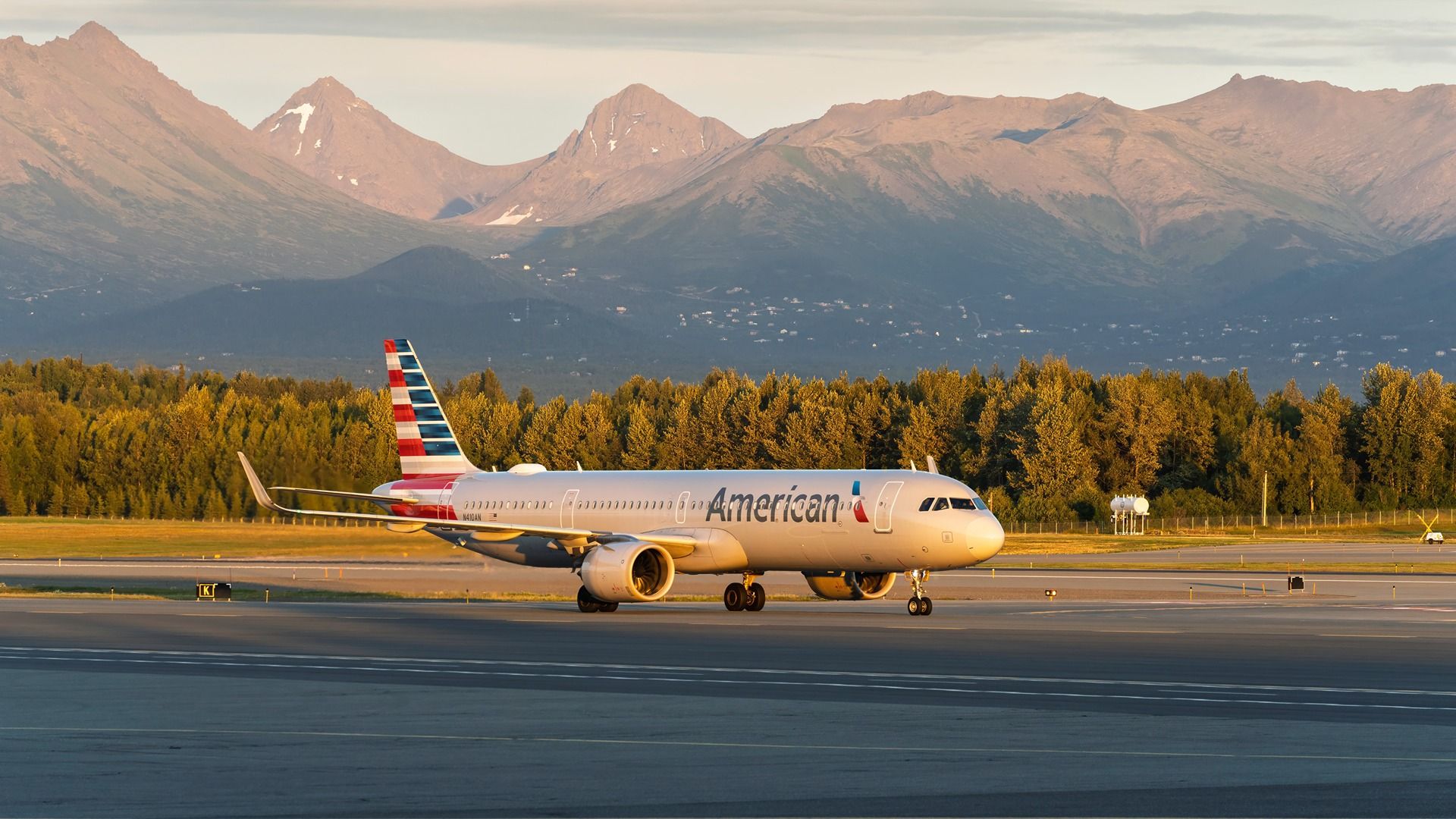
The Federal Aviation Administration (FAA) has proposed new regulations that could require United States aircraft operators to upgrade up to **58,600 radio altimeters**, potentially costing more than **$4.5 billion**. This initiative is part of the government’s transition to the **5G spectrum**, aimed at minimizing interference that could compromise aviation safety.
As detailed in the Proposed Rule published in the **Federal Register**, this mandate is included in the **One Big Beautiful Bill Act**. Section 40002 of this legislation directs the Federal Communications Commission (FCC) to conduct competitive bidding for a minimum of **100 megahertz** in the **3.98-4.2 gigahertz band** (Upper C-band). The FAA’s proposed regulations, detailed on **January 7**, stipulate that all aircraft radio altimeters must meet new performance criteria to withstand interference from adjacent wireless signals.
The performance requirements would apply primarily to aircraft operating under Parts 121 and 129, as well as those carrying **30 or more passengers** or with a payload exceeding **7,500 pounds** (approximately **3,400 kg**). These aircraft must comply with the new standards by a deadline set between **2029 and 2039**, depending on equipment availability and retrofitting capabilities. All other aircraft will be required to meet these performance standards within two years of the rule’s finalization.
Public comments on the proposed regulations will be accepted until **March 9, 2024**. In response to the announcement, **Airlines for America** stated: “We have been working collaboratively with the telecommunications industry, the FAA, and the FCC to identify solutions that ensure our nation’s airspace remains safe while allowing the spectrum to be used.” The organization indicated it would evaluate the proposal closely before submitting formal comments.
Safety and Technological Challenges
A primary goal of the new regulations is to limit interference in wireless signals. Radio altimeters rely on accurate data received from ground systems to function effectively. The FAA has indicated that various users may experience faint reflections from the ground, which can result in erroneous readings or nuisance alerts. Such interferences could lead to dangerous situations where pilots cannot accurately assess their surroundings, endangering passengers and crew.
The enhanced altimeter systems are expected to improve capabilities for enhanced vision operations, terrain awareness, wind-shear detection, and traffic collision avoidance. The urgency for these upgrades stems from previous decisions made during the Trump administration, which opened additional spectrum for bidding as a means to generate revenue from licensing fees.
The FAA estimates that retrofitting aircraft with interference-tolerant altimeters may cost upwards of **$4.5 billion**, which translates to around **$424 million** annually when calculated at a **7%** discount rate over a **20-year** period. Given the critical role altimeters play in navigation, these enhancements are seen as essential for maintaining flight safety in a rapidly evolving technological landscape.
Background and Previous Findings
Concerns about 5G technology and potential radio interference are not new. In **2021**, European aviation regulators investigated similar issues and concluded that interference was not a significant risk. Meanwhile, the FAA is set to replace existing radio altimeter systems by **2024**. By **September 2023**, it was determined that the risk of **5G interference** to the U.S. airline fleet had been effectively mitigated.
In an analysis published by **AeroTime**, it was reported that out of **625 incidents** reviewed, **118 events** indicated potential interference with C-band radio, which included display errors and nuisance alerts tied to radio altimeter inputs. As the FAA moves forward with these proposed regulations, the aviation industry faces substantial financial implications alongside the imperative of ensuring safe and reliable air travel.

Robinhood Stock Surges 2.5% Today Amid Tech Market Recovery

Philadelphia’s Earth Month Kicks Off with Free Events in Parks

GSK’s Inhaler Decision Sparks Health Concerns for Children

Bradford’s Fish Fry Fridays Offer Community Spirit and Flavor

Speculation Rises on Shutdowns During Trump’s Potential Presidency

Samsung Galaxy Watch 9 to Feature Larger Battery, Report Reveals

Inventors Find New Purpose Through Unconventional Paths

UConn Huskies Aim for Back-to-Back Titles in 2026 NCAA Tournament

U.S. Mine Countermeasure Ships Dock in Malaysia for Logistics Stop

University of Hawaiʻi at Mānoa Joins $25.6M AI Initiative for Disaster Monitoring

$2.2 Million Boost for Cancer Research and Training in Hawaiʻi

ALMA Discovers Companion Orbiting Red Giant Star π 1 Gruis

Sacituzumab Govitecan Shows Promise for HR+/HER2− Breast Cancer

币安人生 Sees $15.92 Million in Trading Volume Amid Market Fluctuations

New Gel Offers Hope for Regrowing Tooth Enamel in Dentistry

CAVA Group Shares Surge 5.1% Amid Mixed Analyst Ratings

Christian Bale in Talks to Join Leonardo DiCaprio in Heat 2

Supreme Court to Review Birthright Citizenship for Children of Immigrants
-
Science9 months ago
University of Hawaiʻi at Mānoa Joins $25.6M AI Initiative for Disaster Monitoring
-
 Health7 months ago
$2.2 Million Boost for Cancer Research and Training in Hawaiʻi
-
 Science9 months ago
ALMA Discovers Companion Orbiting Red Giant Star π 1 Gruis
-
 Health7 months ago
Sacituzumab Govitecan Shows Promise for HR+/HER2− Breast Cancer
-
Politics5 months ago
币安人生 Sees $15.92 Million in Trading Volume Amid Market Fluctuations
-
 Health9 months ago
New Gel Offers Hope for Regrowing Tooth Enamel in Dentistry
-
 Business8 months ago
CAVA Group Shares Surge 5.1% Amid Mixed Analyst Ratings
-
 Entertainment8 months ago
Christian Bale in Talks to Join Leonardo DiCaprio in Heat 2
-
 Politics8 months ago
Supreme Court to Review Birthright Citizenship for Children of Immigrants
-

 Lifestyle8 months ago
Art Deco and Traditional Designs Set to Transform Homes in 2026
-

 Lifestyle8 months ago
Fernando Mendoza Secures Maxwell and O’Brien Awards Ahead of Heisman
-

 World8 months ago
Swiss Residents Reject 50% Inheritance Tax on Wealthy