
World
Hungary Heightens Security Amid Claims of Ukrainian Disruption

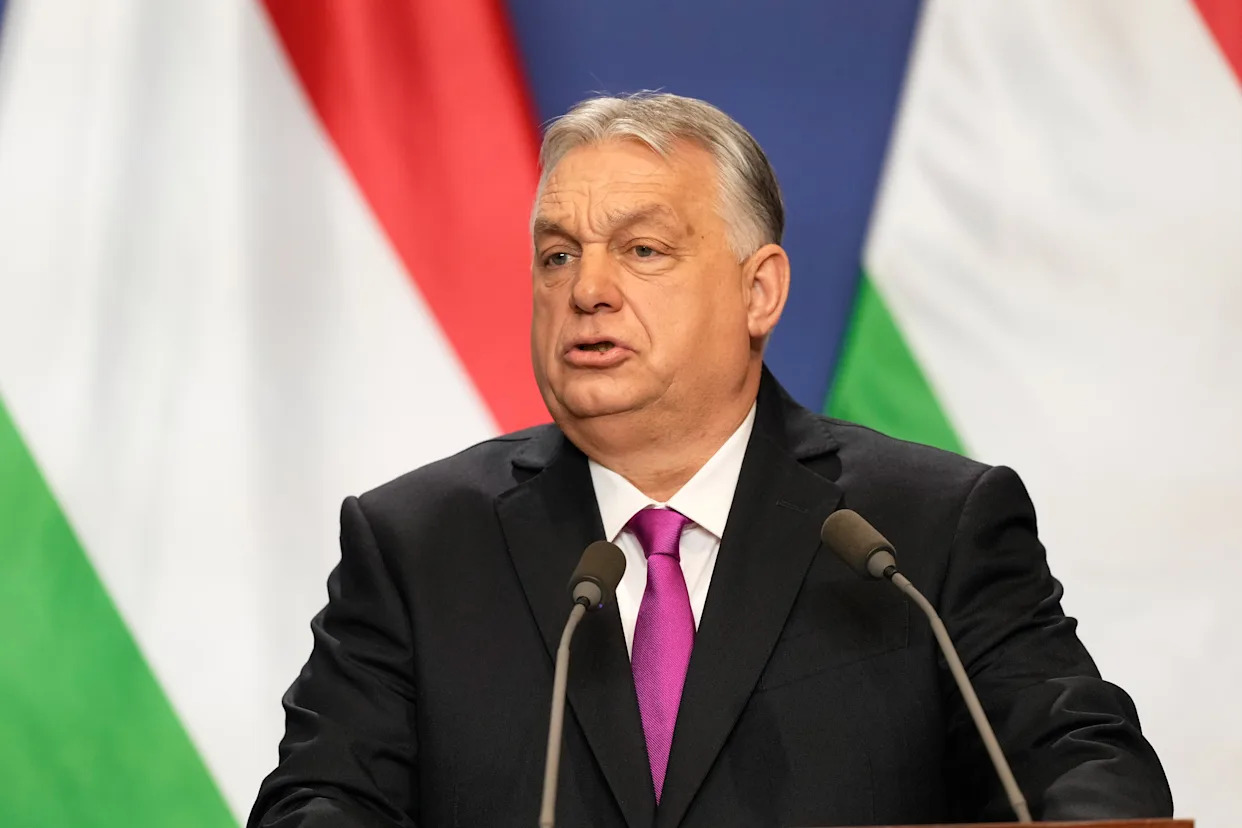
Hungarian Prime Minister Viktor Orbán has ordered increased security measures at critical energy infrastructure sites in Hungary, citing claims that Ukraine is attempting to disrupt the country’s energy system. This decision follows accusations from Budapest that Kyiv is intentionally hindering Russian oil deliveries through the Druzhba pipeline, which traverses Ukrainian territory. Ukrainian officials have categorically denied these allegations, attributing recent pipeline issues to damage from a Russian drone attack.
In a video shared on social media, Orbán asserted that the Ukrainian government is employing what he termed “an oil blockade” to exert pressure on Hungary. He claimed that national security services indicated preparations by Ukraine for further actions aimed at disrupting Hungary’s energy operations. Details or evidence supporting these assertions were not provided.
The Prime Minister stated, “We will deploy soldiers and the necessary equipment to repel attacks near key energy facilities.” He also announced that police would increase patrols around power plants, distribution stations, and control centers across the country.
The geopolitical context surrounding this situation is significant. Since Russia’s invasion of Ukraine on February 24, 2022, most European nations have drastically reduced or eliminated imports of Russian energy. In contrast, Hungary and Slovakia, both members of the European Union (EU) and NATO, have continued to receive Russian oil and gas, even securing a temporary exemption from an EU ban on Russian oil imports.
On March 10, 2024, Hungary threatened to block a substantial €90 billion (approximately $106 billion) EU loan intended for Kyiv. Furthermore, Hungary vetoed a new round of EU sanctions against Russia on March 11, 2024. Orbán has declared a commitment to obstruct any EU measures that would aid Ukraine until oil shipments resume via the Druzhba pipeline, which has been largely inoperative since January 27, 2024. Repairs to the pipeline have proven hazardous, with Ukrainian officials noting that its functionality relies on Russia ceasing attacks on energy infrastructure.
In a further step to enhance national security, Orbán imposed a ban on drone operations in Szabolcs-Szatmár-Bereg County, which borders Ukraine. This move aligns with his ongoing narrative that Ukraine is engaging in coercive tactics to undermine Hungary’s energy stability.
As Hungary approaches a crucial election on April 12, 2024, Orbán has intensified his rhetoric against Ukraine, accusing the government of “blackmail” to influence his administration’s stance. Facing significant challenges in this upcoming election, Orbán’s ruling Fidesz party is trailing in polls against a center-right challenger, Péter Magyar.
The Prime Minister has launched a vigorous media campaign portraying Ukraine as a substantial threat to Hungary’s national interests. His party’s messaging suggests that a loss in the upcoming election could lead to Hungary being drawn into the conflict in Ukraine, with dire consequences for the nation’s youth and financial stability.
This situation underscores the complexities of Hungary’s energy policies and its relationship with both Russia and Ukraine, as well as the broader implications for regional security and stability in Europe.

Robinhood Stock Surges 2.5% Today Amid Tech Market Recovery

Philadelphia’s Earth Month Kicks Off with Free Events in Parks

GSK’s Inhaler Decision Sparks Health Concerns for Children

Bradford’s Fish Fry Fridays Offer Community Spirit and Flavor

Speculation Rises on Shutdowns During Trump’s Potential Presidency

Samsung Galaxy Watch 9 to Feature Larger Battery, Report Reveals

Inventors Find New Purpose Through Unconventional Paths

UConn Huskies Aim for Back-to-Back Titles in 2026 NCAA Tournament

U.S. Mine Countermeasure Ships Dock in Malaysia for Logistics Stop

University of Hawaiʻi at Mānoa Joins $25.6M AI Initiative for Disaster Monitoring

$2.2 Million Boost for Cancer Research and Training in Hawaiʻi

ALMA Discovers Companion Orbiting Red Giant Star π 1 Gruis

Sacituzumab Govitecan Shows Promise for HR+/HER2− Breast Cancer

币安人生 Sees $15.92 Million in Trading Volume Amid Market Fluctuations

New Gel Offers Hope for Regrowing Tooth Enamel in Dentistry

CAVA Group Shares Surge 5.1% Amid Mixed Analyst Ratings

Christian Bale in Talks to Join Leonardo DiCaprio in Heat 2

Supreme Court to Review Birthright Citizenship for Children of Immigrants
-
Science8 months ago
University of Hawaiʻi at Mānoa Joins $25.6M AI Initiative for Disaster Monitoring
-
 Health7 months ago
$2.2 Million Boost for Cancer Research and Training in Hawaiʻi
-
 Science8 months ago
ALMA Discovers Companion Orbiting Red Giant Star π 1 Gruis
-
 Health7 months ago
Sacituzumab Govitecan Shows Promise for HR+/HER2− Breast Cancer
-
Politics4 months ago
币安人生 Sees $15.92 Million in Trading Volume Amid Market Fluctuations
-
 Health8 months ago
New Gel Offers Hope for Regrowing Tooth Enamel in Dentistry
-
 Business7 months ago
CAVA Group Shares Surge 5.1% Amid Mixed Analyst Ratings
-
 Entertainment8 months ago
Christian Bale in Talks to Join Leonardo DiCaprio in Heat 2
-
 Politics7 months ago
Supreme Court to Review Birthright Citizenship for Children of Immigrants
-

 Lifestyle8 months ago
Art Deco and Traditional Designs Set to Transform Homes in 2026
-

 Lifestyle7 months ago
Fernando Mendoza Secures Maxwell and O’Brien Awards Ahead of Heisman
-

 World8 months ago
Swiss Residents Reject 50% Inheritance Tax on Wealthy