
World
Japan Faces Pressure as Bond Vigilantes Signal Economic Shift

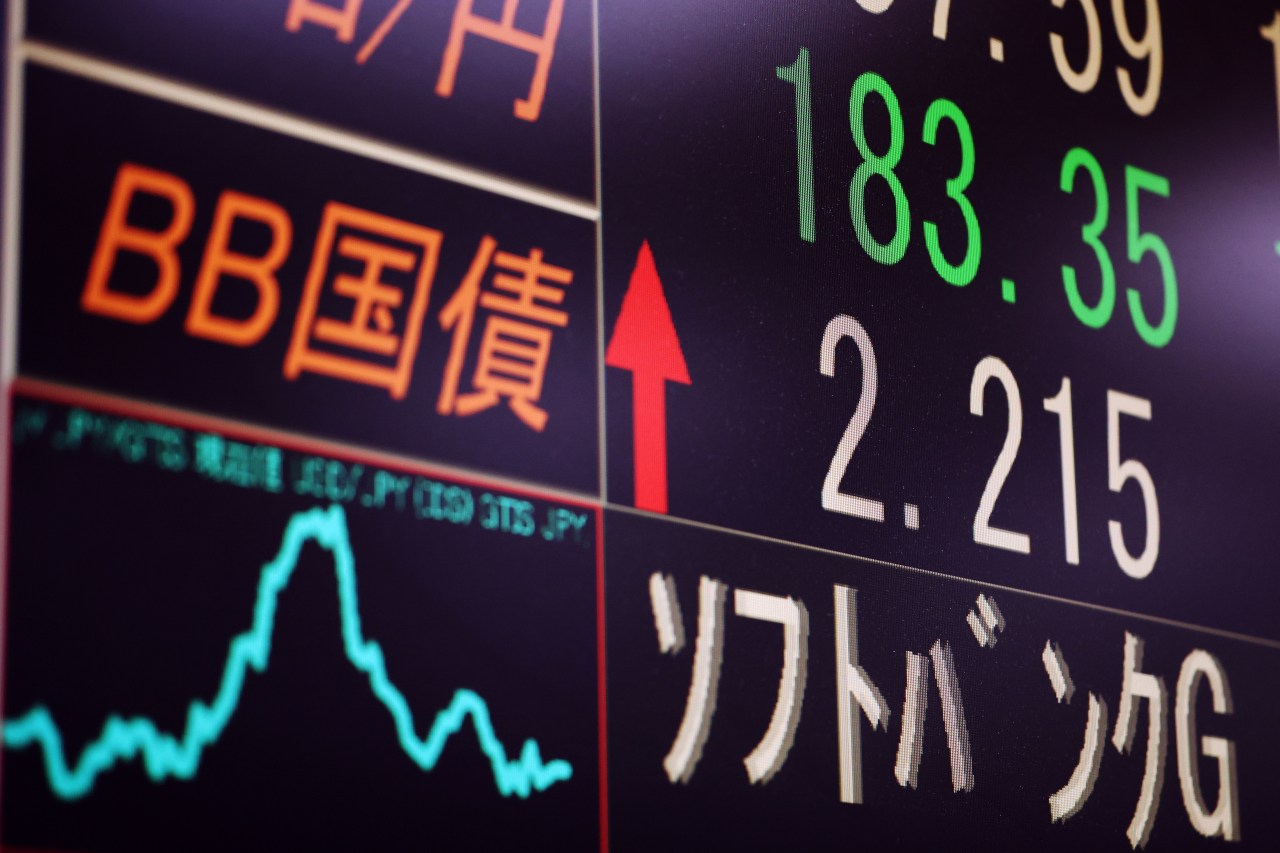
The recent surge in long-term bond rates has raised alarms regarding Japan’s economic policies, prompting calls for a reassessment of strategies aimed at fostering sustainable growth. The rise in yields, particularly on 10-year government bonds, indicates that investors are losing confidence in the country’s current fiscal approach. This shift has drawn the attention of global financial markets and economic analysts alike.
Understanding Rising Bond Yields
As of October 2023, the yield on Japan’s 10-year government bonds has climbed above 1.0% for the first time in years. This increase reflects a broader trend among bond vigilantes—investors who sell bonds in response to perceived economic mismanagement. These market players are signaling that Japan’s longstanding ultra-low interest rate policy may no longer be sustainable.
The bond market’s reaction comes amid ongoing discussions about the role of the Bank of Japan and its commitment to maintaining low rates. Critics argue that this policy has led to a lack of adequate fiscal reforms and has contributed to stagnation in productivity growth. The rising yields suggest that investors are seeking higher returns, indicating a shift in sentiment that could have significant implications for Japan’s economy.
Investor Confidence and Economic Policy
The Ministry of Finance and the Bank of Japan are under increased pressure to implement reforms that could restore investor confidence. Economists are advocating for a more balanced approach that includes both monetary and fiscal measures to stimulate growth. Some analysts suggest that without actionable policies, Japan risks facing a prolonged period of economic malaise.
Recent discussions among financial experts have highlighted the importance of addressing structural issues within Japan’s economy, such as its aging population and labor market inefficiencies. The current situation illustrates the delicate balance that policymakers must maintain between stimulating growth and managing inflation.
Looking ahead, the dynamics in the bond market will likely continue to influence Japan’s economic strategy. As long-term interest rates rise, the government may be compelled to reconsider its approach to fiscal policy. The stakes are particularly high given Japan’s substantial public debt, which is currently over ¥1 quadrillion (approximately $6.8 trillion), raising concerns about financial sustainability.
In conclusion, the recent movements in bond rates have signified a critical moment for Japan, prompting a reevaluation of economic policies. As bond vigilantes voice their concerns, the government must respond effectively to ensure that Japan remains on a path towards robust economic health.

Robinhood Stock Surges 2.5% Today Amid Tech Market Recovery

Philadelphia’s Earth Month Kicks Off with Free Events in Parks

GSK’s Inhaler Decision Sparks Health Concerns for Children

Bradford’s Fish Fry Fridays Offer Community Spirit and Flavor

Speculation Rises on Shutdowns During Trump’s Potential Presidency

Samsung Galaxy Watch 9 to Feature Larger Battery, Report Reveals

Inventors Find New Purpose Through Unconventional Paths

UConn Huskies Aim for Back-to-Back Titles in 2026 NCAA Tournament

U.S. Mine Countermeasure Ships Dock in Malaysia for Logistics Stop

University of Hawaiʻi at Mānoa Joins $25.6M AI Initiative for Disaster Monitoring

$2.2 Million Boost for Cancer Research and Training in Hawaiʻi

ALMA Discovers Companion Orbiting Red Giant Star π 1 Gruis

Sacituzumab Govitecan Shows Promise for HR+/HER2− Breast Cancer

币安人生 Sees $15.92 Million in Trading Volume Amid Market Fluctuations

New Gel Offers Hope for Regrowing Tooth Enamel in Dentistry

CAVA Group Shares Surge 5.1% Amid Mixed Analyst Ratings

Christian Bale in Talks to Join Leonardo DiCaprio in Heat 2

Supreme Court to Review Birthright Citizenship for Children of Immigrants
-
Science9 months ago
University of Hawaiʻi at Mānoa Joins $25.6M AI Initiative for Disaster Monitoring
-
 Health7 months ago
$2.2 Million Boost for Cancer Research and Training in Hawaiʻi
-
 Science8 months ago
ALMA Discovers Companion Orbiting Red Giant Star π 1 Gruis
-
 Health7 months ago
Sacituzumab Govitecan Shows Promise for HR+/HER2− Breast Cancer
-
Politics5 months ago
币安人生 Sees $15.92 Million in Trading Volume Amid Market Fluctuations
-
 Health9 months ago
New Gel Offers Hope for Regrowing Tooth Enamel in Dentistry
-
 Business7 months ago
CAVA Group Shares Surge 5.1% Amid Mixed Analyst Ratings
-
 Entertainment8 months ago
Christian Bale in Talks to Join Leonardo DiCaprio in Heat 2
-
 Politics7 months ago
Supreme Court to Review Birthright Citizenship for Children of Immigrants
-

 Lifestyle8 months ago
Art Deco and Traditional Designs Set to Transform Homes in 2026
-

 Lifestyle7 months ago
Fernando Mendoza Secures Maxwell and O’Brien Awards Ahead of Heisman
-

 World8 months ago
Swiss Residents Reject 50% Inheritance Tax on Wealthy