
World
NATO Chief Mark Rutte Navigates U.S.-Greenland Tensions

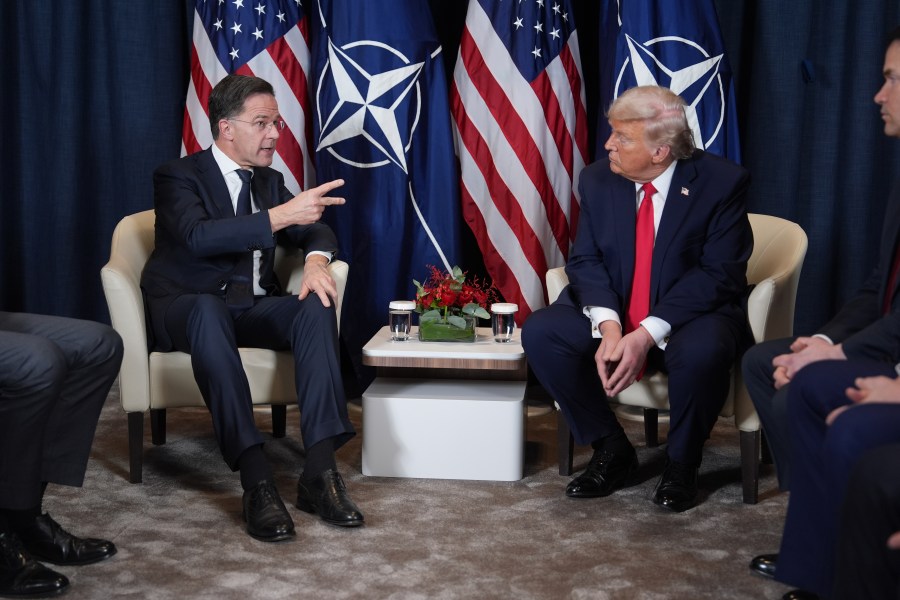
In a surprising turn of events, NATO Secretary General Mark Rutte successfully mediated discussions regarding U.S. President Donald Trump’s controversial interest in Greenland. The diplomatic negotiations unfolded in The Hague, Netherlands, as tensions between Europe and the United States escalated over Trump’s insistence on acquiring complete ownership of the territory.
For several days, the standoff appeared intractable. President Trump publicly asserted that he desired to purchase Greenland, a move that was met with skepticism and resistance from European leaders. Despite his insistence, the talks took an unexpected shift as Trump ultimately dropped the more aggressive rhetoric, alleviating fears of a forced acquisition.
Rutte’s role in these discussions highlighted his diplomatic skills, often likened to that of a “Trump Whisperer.” His ability to navigate the complexities of U.S.-European relations was evident in his approach to the situation. The NATO chief emphasized the importance of dialogue and cooperation, advocating for a solution that respected both the interests of the United States and the sovereignty of Greenland.
Greenland, which is an autonomous territory of Denmark, was never for sale, and Danish officials were quick to reiterate their position. Rutte’s intervention aimed to ease the growing tensions between NATO allies and foster a collaborative environment for future discussions.
The implications of this diplomatic engagement extend beyond Greenland itself. As the United States seeks to assert its influence in the Arctic region, European nations are keen to maintain their presence and protect local interests. Rutte’s mediation serves as a reminder of the delicate balance required in international diplomacy, particularly within the framework of NATO.
As this situation continues to evolve, the focus remains on how both the United States and Europe can work together to address geopolitical challenges in the Arctic. Rutte’s efforts may set a precedent for future negotiations, emphasizing the necessity of clear communication and mutual respect in international relations.
With the world watching, the outcome of these discussions could shape the future of transatlantic relations and redefine the strategic significance of Greenland in the context of global politics. The events of September 2019 will likely be remembered as a key moment in the ongoing dialogue between Europe and the United States, showcasing the power of diplomacy in resolving conflicts.

Robinhood Stock Surges 2.5% Today Amid Tech Market Recovery

Philadelphia’s Earth Month Kicks Off with Free Events in Parks

GSK’s Inhaler Decision Sparks Health Concerns for Children

Bradford’s Fish Fry Fridays Offer Community Spirit and Flavor

Speculation Rises on Shutdowns During Trump’s Potential Presidency

Samsung Galaxy Watch 9 to Feature Larger Battery, Report Reveals

Inventors Find New Purpose Through Unconventional Paths

UConn Huskies Aim for Back-to-Back Titles in 2026 NCAA Tournament

U.S. Mine Countermeasure Ships Dock in Malaysia for Logistics Stop

University of Hawaiʻi at Mānoa Joins $25.6M AI Initiative for Disaster Monitoring

$2.2 Million Boost for Cancer Research and Training in Hawaiʻi

ALMA Discovers Companion Orbiting Red Giant Star π 1 Gruis

Sacituzumab Govitecan Shows Promise for HR+/HER2− Breast Cancer

币安人生 Sees $15.92 Million in Trading Volume Amid Market Fluctuations

New Gel Offers Hope for Regrowing Tooth Enamel in Dentistry

CAVA Group Shares Surge 5.1% Amid Mixed Analyst Ratings

Christian Bale in Talks to Join Leonardo DiCaprio in Heat 2

Supreme Court to Review Birthright Citizenship for Children of Immigrants
-
Science9 months ago
University of Hawaiʻi at Mānoa Joins $25.6M AI Initiative for Disaster Monitoring
-
 Health7 months ago
$2.2 Million Boost for Cancer Research and Training in Hawaiʻi
-
 Science8 months ago
ALMA Discovers Companion Orbiting Red Giant Star π 1 Gruis
-
 Health7 months ago
Sacituzumab Govitecan Shows Promise for HR+/HER2− Breast Cancer
-
Politics5 months ago
币安人生 Sees $15.92 Million in Trading Volume Amid Market Fluctuations
-
 Health9 months ago
New Gel Offers Hope for Regrowing Tooth Enamel in Dentistry
-
 Business7 months ago
CAVA Group Shares Surge 5.1% Amid Mixed Analyst Ratings
-
 Entertainment8 months ago
Christian Bale in Talks to Join Leonardo DiCaprio in Heat 2
-
 Politics7 months ago
Supreme Court to Review Birthright Citizenship for Children of Immigrants
-

 Lifestyle8 months ago
Art Deco and Traditional Designs Set to Transform Homes in 2026
-

 Lifestyle7 months ago
Fernando Mendoza Secures Maxwell and O’Brien Awards Ahead of Heisman
-

 World8 months ago
Swiss Residents Reject 50% Inheritance Tax on Wealthy