
World
NTSB Identifies Faulty Engine Mount in UPS Flight 2976 Crash

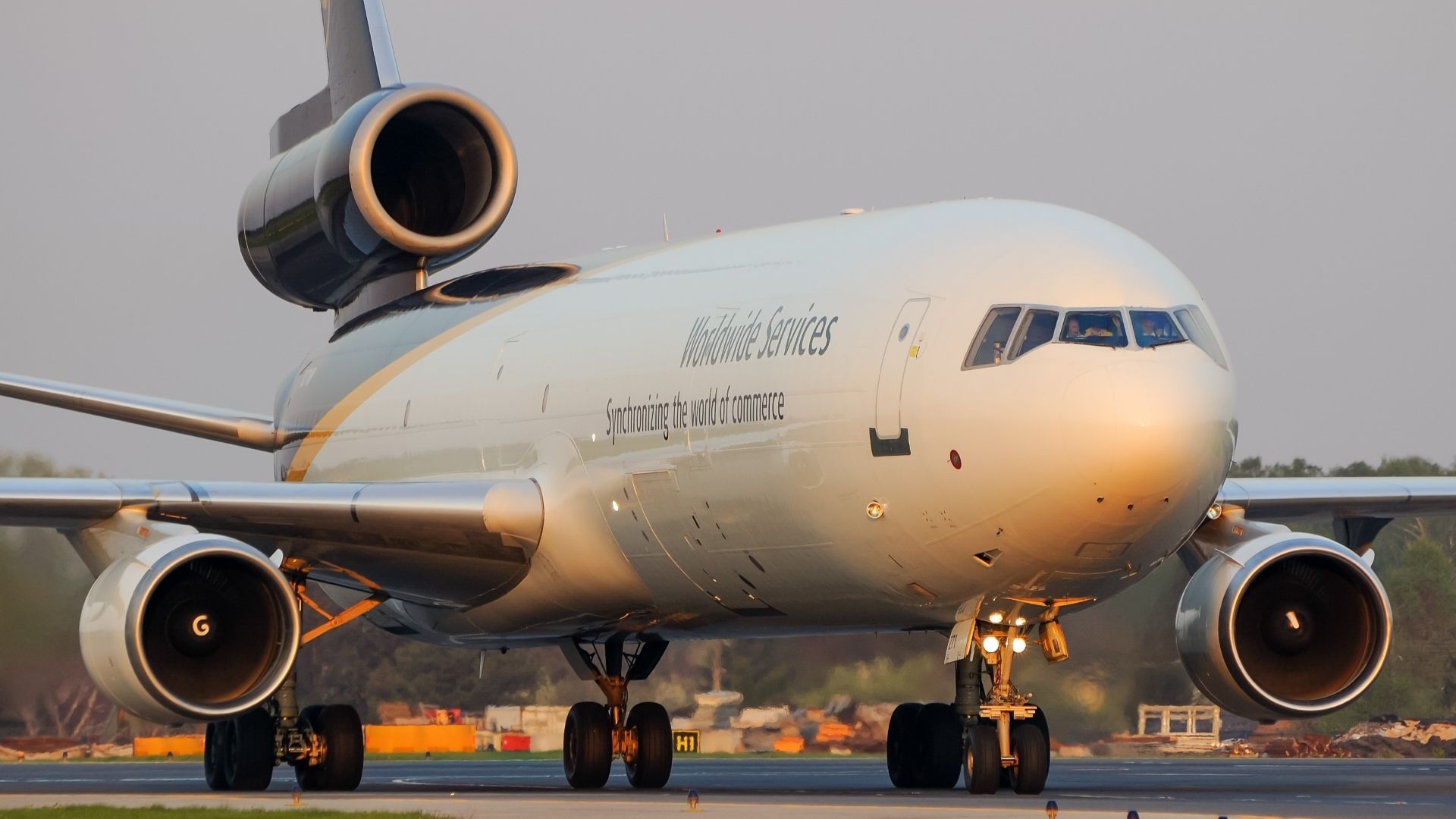
The National Transportation Safety Board (NTSB) has provided critical updates regarding the investigation into the crash of UPS Flight 2976, which occurred on November 4, 2025. The NTSB has pinpointed a faulty engine mount bearing as the cause behind the separation of the left engine from the aircraft, leading to a fire and ultimately a crash shortly after takeoff from Louisville.
On January 14, 2026, NTSB spokespersons confirmed that the failure stemmed from a three-inch (7.62-centimeter) mount bearing, a crucial component of the engine mount. This specific part had been flagged by Boeing approximately 15 years prior, highlighting long-standing concerns regarding the safety of the MD-11’s engine mount design.
Details of the Investigation
The investigation revealed that the aft mount bearing associated with the left engine’s pylon had failed. Analysis of the wreckage showed that two lugs intended to secure the bearing assembly had fractured, and the spherical bearing race was found to be cracked into two sections. These failures indicated signs of fatigue cracking that had likely developed over time.
The aircraft, identified as N259UP, had not been fitted with the updated bearing design recommended by Boeing. In response to earlier failures of similar components, the Federal Aviation Administration (FAA) had issued a service bulletin that included recommendations for inspecting and replacing the bearings. However, compliance with these recommendations was not mandatory, raising questions about the regulatory framework surrounding the MD-11’s maintenance.
Boeing’s awareness of issues with the MD-11’s pylon bearings led to the issuance of a service bulletin after four previous incidents involving bearing failures. Despite this, no mandatory airworthiness directive was enacted, leaving operators with the discretion to implement the recommended changes.
Implications for Airlines and Safety Oversight
The NTSB’s findings have significant implications for the future of the MD-11 fleet. Following the crash, the FAA issued an emergency airworthiness directive that effectively grounded all US-registered MD-11 aircraft while awaiting corrective measures. This directive has resulted in the indefinite grounding of a fleet that includes many aircraft over 30 years old.
Despite the potential for costly redesigns, airlines like FedEx Express remain optimistic about the future of their MD-11 fleet, expressing confidence that the necessary repairs to the mount bearings will be both affordable and expedient. Once the FAA issues specific corrective actions, it is anticipated that these aircraft will return to service promptly.
Investigators are also focusing on the maintenance practices at UPS Airlines. Prior to the crash, the aircraft had undergone a visual inspection of its left pylon in 2021. The NTSB will assess whether the aircraft had completed all required inspections and why maintenance personnel did not identify the fatigue cracking that ultimately contributed to the failure.
As the investigation continues, the NTSB’s findings will likely prompt a reevaluation of safety protocols and maintenance standards for aging aircraft. The focus will be on understanding Boeing’s rationale for not imposing mandatory compliance measures over the past decade and a half, and how this oversight will influence the aviation industry’s approach to safety in the future.

Robinhood Stock Surges 2.5% Today Amid Tech Market Recovery

Philadelphia’s Earth Month Kicks Off with Free Events in Parks

GSK’s Inhaler Decision Sparks Health Concerns for Children

Bradford’s Fish Fry Fridays Offer Community Spirit and Flavor

Speculation Rises on Shutdowns During Trump’s Potential Presidency

Samsung Galaxy Watch 9 to Feature Larger Battery, Report Reveals

Inventors Find New Purpose Through Unconventional Paths

UConn Huskies Aim for Back-to-Back Titles in 2026 NCAA Tournament

U.S. Mine Countermeasure Ships Dock in Malaysia for Logistics Stop

University of Hawaiʻi at Mānoa Joins $25.6M AI Initiative for Disaster Monitoring

$2.2 Million Boost for Cancer Research and Training in Hawaiʻi

ALMA Discovers Companion Orbiting Red Giant Star π 1 Gruis

Sacituzumab Govitecan Shows Promise for HR+/HER2− Breast Cancer

币安人生 Sees $15.92 Million in Trading Volume Amid Market Fluctuations

New Gel Offers Hope for Regrowing Tooth Enamel in Dentistry

CAVA Group Shares Surge 5.1% Amid Mixed Analyst Ratings

Christian Bale in Talks to Join Leonardo DiCaprio in Heat 2

Supreme Court to Review Birthright Citizenship for Children of Immigrants
-
Science9 months ago
University of Hawaiʻi at Mānoa Joins $25.6M AI Initiative for Disaster Monitoring
-
 Health7 months ago
$2.2 Million Boost for Cancer Research and Training in Hawaiʻi
-
 Science8 months ago
ALMA Discovers Companion Orbiting Red Giant Star π 1 Gruis
-
 Health7 months ago
Sacituzumab Govitecan Shows Promise for HR+/HER2− Breast Cancer
-
Politics5 months ago
币安人生 Sees $15.92 Million in Trading Volume Amid Market Fluctuations
-
 Health9 months ago
New Gel Offers Hope for Regrowing Tooth Enamel in Dentistry
-
 Business7 months ago
CAVA Group Shares Surge 5.1% Amid Mixed Analyst Ratings
-
 Entertainment8 months ago
Christian Bale in Talks to Join Leonardo DiCaprio in Heat 2
-
 Politics7 months ago
Supreme Court to Review Birthright Citizenship for Children of Immigrants
-

 Lifestyle8 months ago
Art Deco and Traditional Designs Set to Transform Homes in 2026
-

 Lifestyle7 months ago
Fernando Mendoza Secures Maxwell and O’Brien Awards Ahead of Heisman
-

 World8 months ago
Swiss Residents Reject 50% Inheritance Tax on Wealthy