
World
Spices Like Cinnamon and Turmeric May Impact Medications

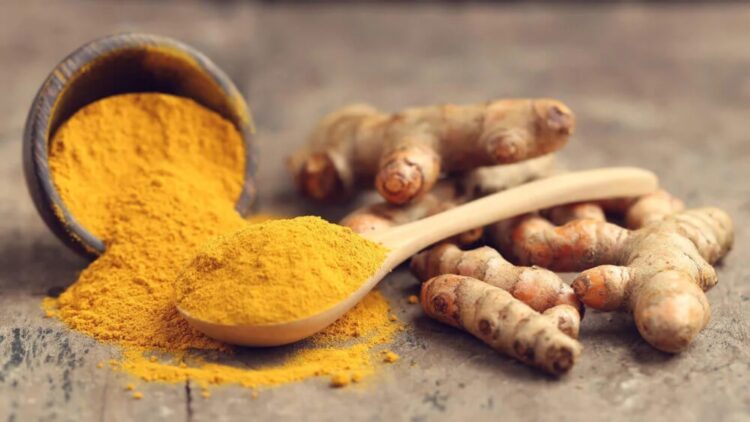
Recent research from the University of Mississippi indicates that common spices such as cinnamon and turmeric may interfere with the effectiveness of certain medications, including antidepressants and diabetes drugs. This study focuses on how specific compounds in these spices can activate receptors that accelerate the elimination of medications from the body, potentially reducing their intended effects.
The investigation revealed that the type of cinnamon consumed plays a significant role in its interaction with medications. The most widely available variety, cassia cinnamon, is often found in kitchens around the world. Though inexpensive, it contains high levels of coumarin, which can pose health risks, particularly when consumed in large amounts. In contrast, Ceylon cinnamon, known as “true” cinnamon, is pricier and originates from Sri Lanka. It is generally considered healthier, but it too can interfere with medications, particularly anticoagulants, antidepressants, pain relievers, chemotherapy drugs, and diabetes medications.
Turmeric’s Limited Interaction Evidence
While turmeric is praised for its anti-inflammatory and antioxidant properties, research on its interactions with medications is still in its infancy. Most findings stem from animal studies, which suggest that curcumin, the active compound in turmeric, can affect the metabolism of various drugs. This includes antidepressants, antibiotics, and blood pressure medications. Curcumin may also act as a natural blood thinner, potentially intensifying the effects of medications like warfarin or aspirin.
The connection between turmeric consumption and blood pressure is noteworthy; combining turmeric with antihypertensive medications could inadvertently lower blood pressure further.
The Role of Ginger
Ginger, another widely used spice, is celebrated for its anti-nausea and anti-inflammatory effects. However, its main active compound, gingerol, acts as a blood thinner, which may complicate its use alongside anticoagulant medications. Currently, research on ginger’s interaction with antidiabetic drugs is limited, necessitating further investigation to fully understand its effects.
High doses of these spices have been associated with adverse effects, but it is essential to note that these are generally observed when intake levels are significantly elevated. Individuals taking any form of medication are advised to consult with their healthcare providers regarding the safety of consuming cinnamon, turmeric, and ginger.
This information serves as a reminder that while spices can offer various health benefits, their potential interactions with medications warrant careful consideration. Decisions regarding health should always be made in consultation with a qualified healthcare professional to ensure safety and efficacy.

Robinhood Stock Surges 2.5% Today Amid Tech Market Recovery

Philadelphia’s Earth Month Kicks Off with Free Events in Parks

GSK’s Inhaler Decision Sparks Health Concerns for Children

Bradford’s Fish Fry Fridays Offer Community Spirit and Flavor

Speculation Rises on Shutdowns During Trump’s Potential Presidency

Samsung Galaxy Watch 9 to Feature Larger Battery, Report Reveals

Inventors Find New Purpose Through Unconventional Paths

UConn Huskies Aim for Back-to-Back Titles in 2026 NCAA Tournament

U.S. Mine Countermeasure Ships Dock in Malaysia for Logistics Stop

University of Hawaiʻi at Mānoa Joins $25.6M AI Initiative for Disaster Monitoring

$2.2 Million Boost for Cancer Research and Training in Hawaiʻi

ALMA Discovers Companion Orbiting Red Giant Star π 1 Gruis

Sacituzumab Govitecan Shows Promise for HR+/HER2− Breast Cancer

币安人生 Sees $15.92 Million in Trading Volume Amid Market Fluctuations

New Gel Offers Hope for Regrowing Tooth Enamel in Dentistry

CAVA Group Shares Surge 5.1% Amid Mixed Analyst Ratings

Christian Bale in Talks to Join Leonardo DiCaprio in Heat 2

Supreme Court to Review Birthright Citizenship for Children of Immigrants
-
Science8 months ago
University of Hawaiʻi at Mānoa Joins $25.6M AI Initiative for Disaster Monitoring
-
 Health7 months ago
$2.2 Million Boost for Cancer Research and Training in Hawaiʻi
-
 Science8 months ago
ALMA Discovers Companion Orbiting Red Giant Star π 1 Gruis
-
 Health7 months ago
Sacituzumab Govitecan Shows Promise for HR+/HER2− Breast Cancer
-
Politics4 months ago
币安人生 Sees $15.92 Million in Trading Volume Amid Market Fluctuations
-
 Health8 months ago
New Gel Offers Hope for Regrowing Tooth Enamel in Dentistry
-
 Business7 months ago
CAVA Group Shares Surge 5.1% Amid Mixed Analyst Ratings
-
 Entertainment8 months ago
Christian Bale in Talks to Join Leonardo DiCaprio in Heat 2
-
 Politics7 months ago
Supreme Court to Review Birthright Citizenship for Children of Immigrants
-

 Lifestyle7 months ago
Fernando Mendoza Secures Maxwell and O’Brien Awards Ahead of Heisman
-

 Lifestyle8 months ago
Art Deco and Traditional Designs Set to Transform Homes in 2026
-

 World7 months ago
Swiss Residents Reject 50% Inheritance Tax on Wealthy