
World
Spokane County Increases Waste Management Fees Starting January 2026

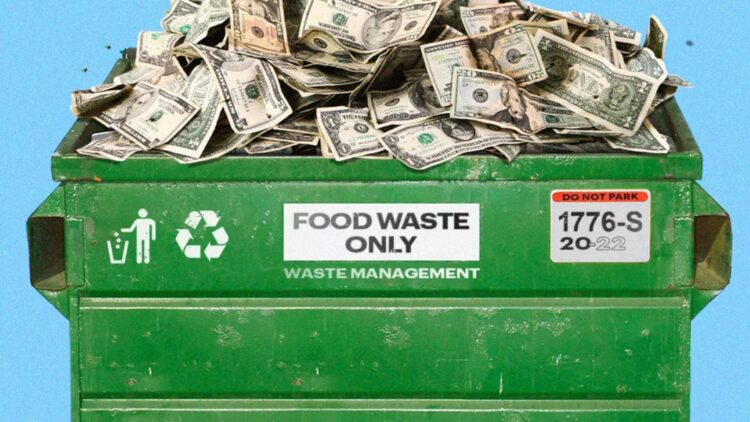
Beginning on January 1, 2026, residents of Spokane County, Washington, will face a 4% increase in their garbage and recycling rates. This adjustment coincides with a new law that introduces an additional $30 fee for the disposal of appliances containing refrigerants, such as refrigerators, freezers, air conditioners, and water coolers. The fee will automatically add to residents’ regular waste management costs, while disposal of most other household appliances will remain unchanged.
The increase in fees comes as county officials emphasize the necessity of these changes to manage the safe disposal of hazardous materials. According to Spokane County officials, the 4% rate increase is essential to cover the costs associated with handling the toxic chemicals found in these appliances. The recovery of these substances is a complex and time-intensive process that requires specialized equipment and strict adherence to safety protocols.
Understanding the Fee Increase
The newly implemented fee applies specifically to items that contain refrigerants, which pose significant health and environmental risks. “These hazardous chemicals must be safely recovered from each unit— a time-consuming process that requires specialized equipment and disposal methods,” a spokesperson from Spokane County stated. This means that while the disposal of common household appliances like dishwashers and washing machines will maintain their existing fees, the handling of refrigerant-containing devices will incur additional costs.
In addition to the new refrigerator disposal fee, residents will notice another increase in their waste management expenses. The disposal of organic materials and yard waste will see a 10% increase over standard rates. This adjustment reflects the ongoing challenges in waste management and the rising operational costs associated with these services.
Impact on Residents and Seasonal Expenses
The timing of these fee increases coincides with a period when many households experience heightened energy consumption due to winter heating needs. The festive season often leads to increased utility bills, making this a particularly challenging time for families. Many states have recognized this burden and have implemented assistance programs to help residents manage their winter energy costs.
For instance, Arkansas recently launched the Arkansas Utility Assistance Program, which provides eligible families with up to $200 to help cover electricity and energy bills. Such initiatives aim to alleviate the financial stress that comes with the transition into a new year, particularly after the expenses associated with December festivities.
As Spokane County residents prepare for these changes, the adjustments in waste management fees underscore the ongoing challenges in environmental safety and public health. The county’s commitment to safe disposal practices reflects a broader awareness of the need to manage hazardous materials responsibly while balancing the financial aspects of waste management services.

Robinhood Stock Surges 2.5% Today Amid Tech Market Recovery

Philadelphia’s Earth Month Kicks Off with Free Events in Parks

GSK’s Inhaler Decision Sparks Health Concerns for Children

Bradford’s Fish Fry Fridays Offer Community Spirit and Flavor

Speculation Rises on Shutdowns During Trump’s Potential Presidency

Samsung Galaxy Watch 9 to Feature Larger Battery, Report Reveals

Inventors Find New Purpose Through Unconventional Paths

UConn Huskies Aim for Back-to-Back Titles in 2026 NCAA Tournament

U.S. Mine Countermeasure Ships Dock in Malaysia for Logistics Stop

University of Hawaiʻi at Mānoa Joins $25.6M AI Initiative for Disaster Monitoring

$2.2 Million Boost for Cancer Research and Training in Hawaiʻi

ALMA Discovers Companion Orbiting Red Giant Star π 1 Gruis

Sacituzumab Govitecan Shows Promise for HR+/HER2− Breast Cancer

币安人生 Sees $15.92 Million in Trading Volume Amid Market Fluctuations

New Gel Offers Hope for Regrowing Tooth Enamel in Dentistry

CAVA Group Shares Surge 5.1% Amid Mixed Analyst Ratings

Christian Bale in Talks to Join Leonardo DiCaprio in Heat 2

Supreme Court to Review Birthright Citizenship for Children of Immigrants
-
Science8 months ago
University of Hawaiʻi at Mānoa Joins $25.6M AI Initiative for Disaster Monitoring
-
 Health7 months ago
$2.2 Million Boost for Cancer Research and Training in Hawaiʻi
-
 Science8 months ago
ALMA Discovers Companion Orbiting Red Giant Star π 1 Gruis
-
 Health7 months ago
Sacituzumab Govitecan Shows Promise for HR+/HER2− Breast Cancer
-
Politics4 months ago
币安人生 Sees $15.92 Million in Trading Volume Amid Market Fluctuations
-
 Health8 months ago
New Gel Offers Hope for Regrowing Tooth Enamel in Dentistry
-
 Business7 months ago
CAVA Group Shares Surge 5.1% Amid Mixed Analyst Ratings
-
 Entertainment8 months ago
Christian Bale in Talks to Join Leonardo DiCaprio in Heat 2
-
 Politics7 months ago
Supreme Court to Review Birthright Citizenship for Children of Immigrants
-

 Lifestyle7 months ago
Fernando Mendoza Secures Maxwell and O’Brien Awards Ahead of Heisman
-

 Lifestyle8 months ago
Art Deco and Traditional Designs Set to Transform Homes in 2026
-

 World7 months ago
Swiss Residents Reject 50% Inheritance Tax on Wealthy