
World
Study Reveals Nearly 2 Million Casualties in Ukraine War

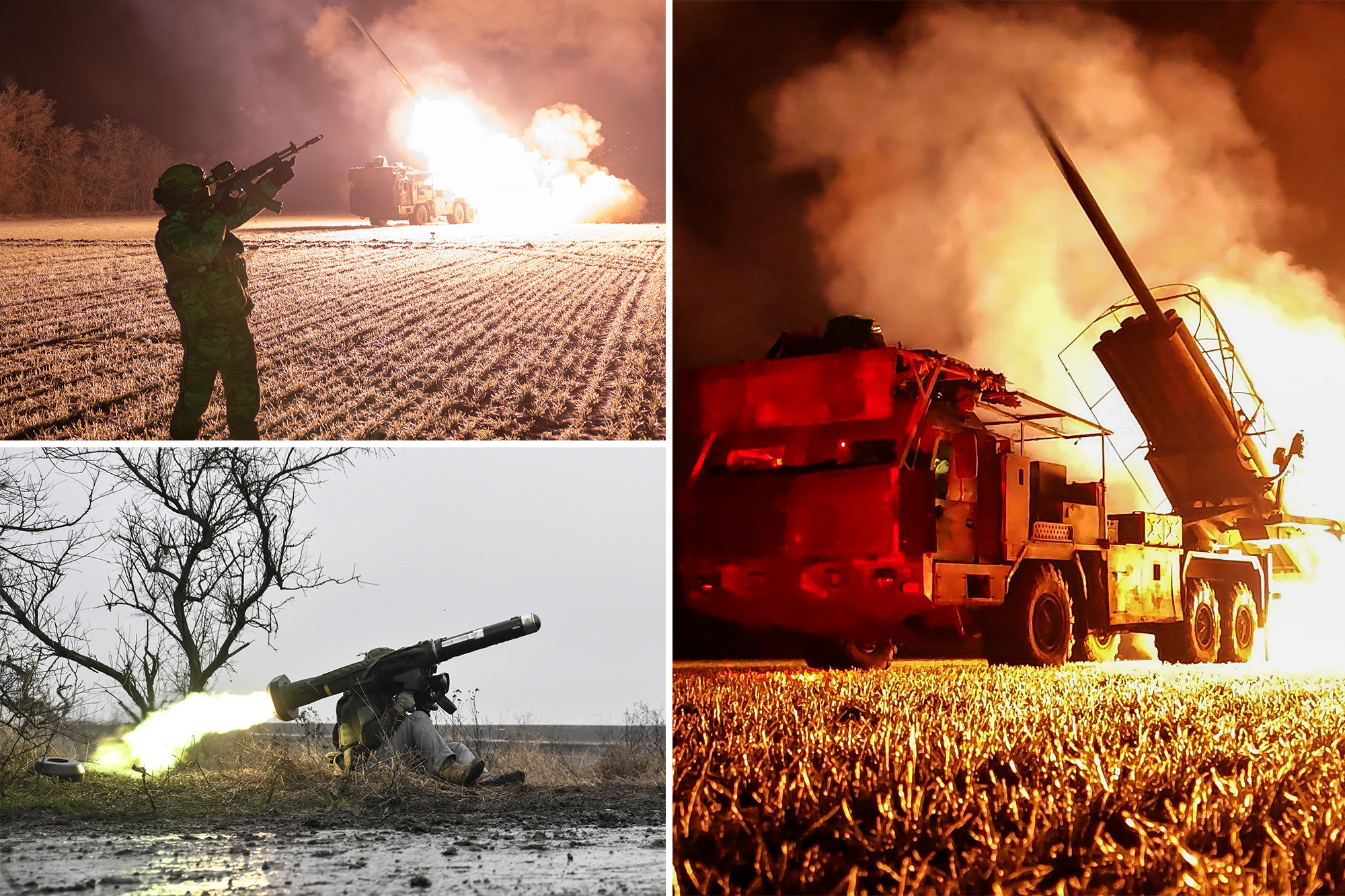
A recent study indicates that the war between Russia and Ukraine could result in nearly 2 million military casualties—killed, wounded, or missing—by spring 2024. The report, released on October 3, 2023, by the Center for Strategic and International Studies (CSIS), reveals staggering numbers: approximately 1.2 million Russian casualties compared to 600,000 from Ukraine.
The findings are particularly sobering regarding Russian fatalities, with close to 325,000 soldiers having died since the conflict commenced in February 2022. This contrasts sharply with claims of impending victory made by Vladimir Putin. According to Seth Jones, the lead author of the study, “No major power has suffered anywhere near these numbers of casualties or fatalities since World War II.”
At the current trajectory, Russia is averaging around 35,000 casualties each month, with projections suggesting that the number could reach 415,000 by 2025. When viewed against historical contexts, these figures are alarming. Moscow has experienced losses exceeding 17 times those sustained during its military campaign in Afghanistan in the 1980s and more than 11 times the casualties from the First and Second Chechen Wars.
Comparative Casualties and Strategic Failures
The report attributes the high casualty rate to various factors, including Russia’s inadequate military strategy, insufficient training, and low troop morale. The Ukrainian forces, despite being smaller, have suffered between 100,000 and 140,000 fatalities. The study highlights Russia’s approach of sending large numbers of troops into battle, a tactic likened to a “meat grinder” strategy aimed at overwhelming Ukraine’s defenses.
Jones remarked, “President Putin appears willing to continue to shed Russian blood for Ukraine.” He noted that despite the considerable loss of life, the Kremlin’s economic struggles are unlikely to push Russia toward negotiations that would satisfy Ukraine or its European allies.
The demographic composition of the fallen troops also plays a role in this calculus. Many of the casualties are from regions such as the Far East and North Caucasus, which are not politically critical to Putin’s power base in Moscow and St. Petersburg. This may explain the apparent indifference to the high casualty rates.
Stalled Advancements and Ongoing Challenges
Despite the substantial losses, Russia has managed to sustain its military efforts through unprecedented drafts and recruitment of foreign fighters, including around 15,000 North Koreans. However, the slow pace of territorial gains raises questions about the effectiveness of these strategies.
Jones pointed out that Russian forces have advanced at a rate of 15 to 70 meters per day in their most significant offensives, making it one of the slowest military campaigns witnessed in the last century. “This is slower than the most brutal offensive campaigns over the last century, including the notoriously bloody Battle of the Somme during World War I,” he noted.
While both Russia and Ukraine tend to keep their military losses confidential, the CSIS estimates align with assessments from other experts in the United States and the United Kingdom. The implications of such high casualties are profound, not only for military strategy but also for the political landscape in both regions as the conflict continues to unfold with no clear resolution in sight.

Robinhood Stock Surges 2.5% Today Amid Tech Market Recovery

Philadelphia’s Earth Month Kicks Off with Free Events in Parks

GSK’s Inhaler Decision Sparks Health Concerns for Children

Bradford’s Fish Fry Fridays Offer Community Spirit and Flavor

Speculation Rises on Shutdowns During Trump’s Potential Presidency

Samsung Galaxy Watch 9 to Feature Larger Battery, Report Reveals

Inventors Find New Purpose Through Unconventional Paths

UConn Huskies Aim for Back-to-Back Titles in 2026 NCAA Tournament

U.S. Mine Countermeasure Ships Dock in Malaysia for Logistics Stop

University of Hawaiʻi at Mānoa Joins $25.6M AI Initiative for Disaster Monitoring

$2.2 Million Boost for Cancer Research and Training in Hawaiʻi

ALMA Discovers Companion Orbiting Red Giant Star π 1 Gruis

Sacituzumab Govitecan Shows Promise for HR+/HER2− Breast Cancer

币安人生 Sees $15.92 Million in Trading Volume Amid Market Fluctuations

New Gel Offers Hope for Regrowing Tooth Enamel in Dentistry

CAVA Group Shares Surge 5.1% Amid Mixed Analyst Ratings

Christian Bale in Talks to Join Leonardo DiCaprio in Heat 2

Supreme Court to Review Birthright Citizenship for Children of Immigrants
-
Science9 months ago
University of Hawaiʻi at Mānoa Joins $25.6M AI Initiative for Disaster Monitoring
-
 Health7 months ago
$2.2 Million Boost for Cancer Research and Training in Hawaiʻi
-
 Science8 months ago
ALMA Discovers Companion Orbiting Red Giant Star π 1 Gruis
-
 Health7 months ago
Sacituzumab Govitecan Shows Promise for HR+/HER2− Breast Cancer
-
Politics5 months ago
币安人生 Sees $15.92 Million in Trading Volume Amid Market Fluctuations
-
 Health9 months ago
New Gel Offers Hope for Regrowing Tooth Enamel in Dentistry
-
 Business7 months ago
CAVA Group Shares Surge 5.1% Amid Mixed Analyst Ratings
-
 Entertainment8 months ago
Christian Bale in Talks to Join Leonardo DiCaprio in Heat 2
-
 Politics7 months ago
Supreme Court to Review Birthright Citizenship for Children of Immigrants
-

 Lifestyle8 months ago
Art Deco and Traditional Designs Set to Transform Homes in 2026
-

 Lifestyle7 months ago
Fernando Mendoza Secures Maxwell and O’Brien Awards Ahead of Heisman
-

 World8 months ago
Swiss Residents Reject 50% Inheritance Tax on Wealthy