
World
Tech Leaders Split on California Billionaire Tax Proposal

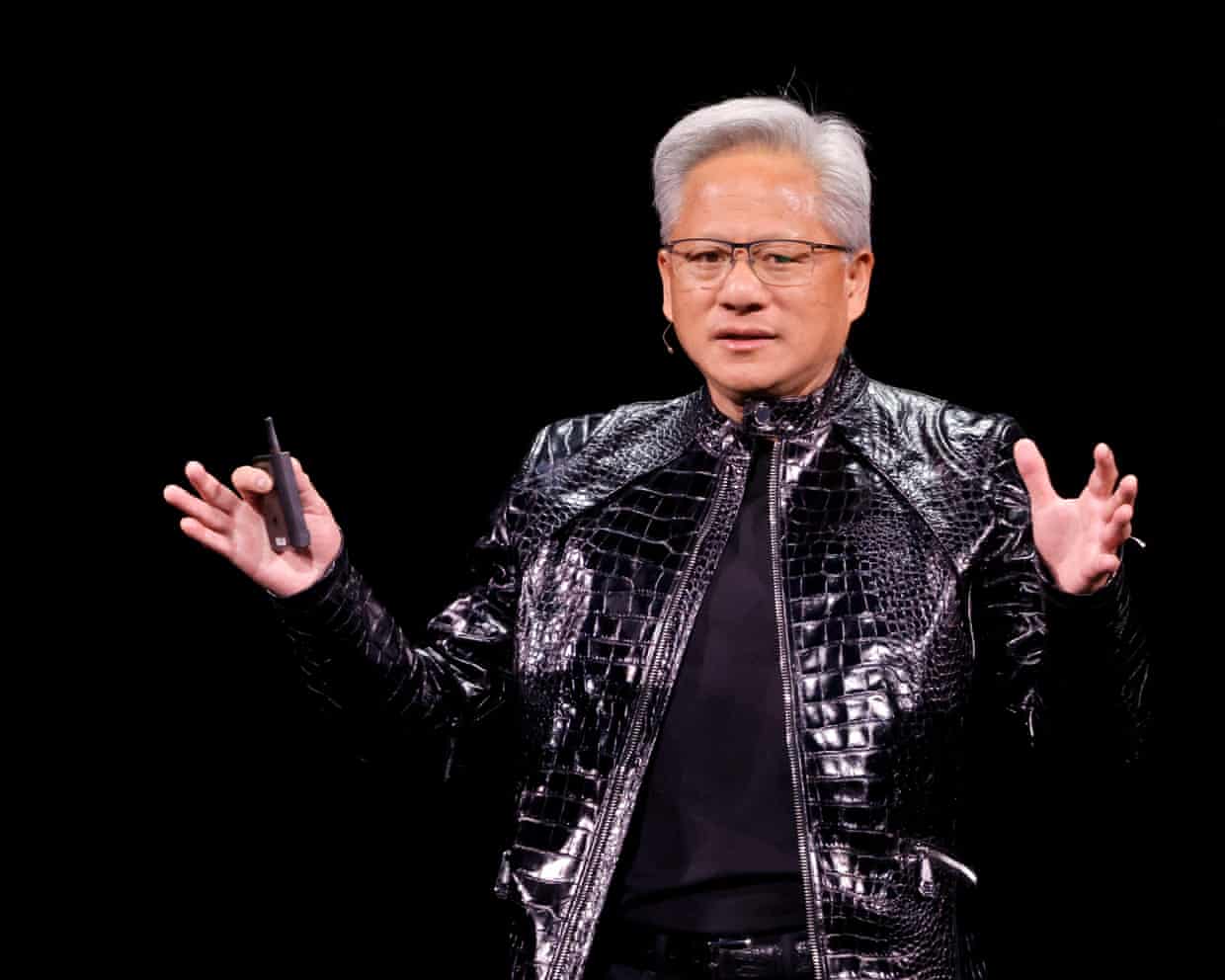
A significant debate is unfolding in California surrounding a proposed tax on billionaires, with prominent tech leaders expressing divided opinions on whether they should comply or relocate. Under a plan that may be presented to voters in November 2024, residents of California with a net worth exceeding $1 billion would incur a one-time 5% tax on their assets. The revenue generated from this tax is earmarked for vital state programs, including education, food assistance, and healthcare.
Jensen Huang, CEO of Nvidia and valued at nearly $159 billion, publicly voiced his support for the tax during a recent interview with Bloomberg Television. “We chose to live in Silicon Valley,” Huang stated. “And whatever taxes I guess they would like to apply, so be it.” This perspective sharply contrasts with other tech industry figures. Google co-founder Larry Page, Palantir co-founder Peter Thiel, and venture capitalist David Sacks have all indicated intentions to leave California for states like Florida and Texas, which are perceived as more tax-friendly.
The initiative is spearheaded by the Service Employees International Union-United Healthcare Workers West (SEIU-UHW), which argues that the current tax system disproportionately affects working-class individuals. According to Suzanne Jimenez, chief of staff for SEIU-UHW, “Regular working people pay higher effective tax rates than the wealthiest Americans.” The proposed tax would be retroactively applied from January 1, 2024, allowing billionaires a five-year window to settle their tax obligations. Based on their current wealth, Huang would owe approximately $7 billion, while Page and Thiel would pay around $13 billion and $1.3 billion, respectively.
The proposal is still in its early stages and requires 874,641 signatures to secure a spot on the ballot. It also needs approval from California Governor Gavin Newsom, who has expressed opposition to the wealth tax. Speaking at the New York Times DealBook Summit last month, Newsom stated, “You can’t isolate yourself from the 49 others. We’re in a competitive environment.” His stance contrasts sharply with that of Ro Khanna, the California representative from Silicon Valley who has advocated for the tax. Khanna believes that the innovation and talent pool in California will keep billionaires in the state despite the proposed tax.
Khanna remarked, “A billionaire tax is good for American innovation,” asserting that it would redistribute wealth to other sectors. In response to Thiel’s announcement about leaving California, Khanna sarcastically referenced Franklin D. Roosevelt, stating, “I will miss them very much.”
The issue of billionaires leaving California is not new. Elon Musk, the world’s richest person, famously relocated to Texas in 2020, a move that has reportedly saved him millions in taxes. More recently, Musk announced plans to move SpaceX’s headquarters to Texas, citing a California law aimed at protecting transgender children as a trigger for his decision.
Other tech billionaires have also migrated to Texas. Joe Lonsdale, co-founder of Palantir, moved to Austin in 2020, and Larry Ellison transitioned Oracle’s headquarters there the same year. Ellison has since indicated plans to move the company to Nashville. Michael Dell, founder of Dell Technologies, has long resided in Texas. Sacks publicly announced his decision to leave California on December 31, 2023, expressing his support for Texas in a post on social media.
The proposed tax has sparked backlash from several billionaires and investors. Chamath Palihapitiya, a venture capitalist and former Facebook executive, warned that California’s budget deficit would only widen without the contributions of billionaires. Vinod Khosla, another investor, echoed these concerns, suggesting that the tax would drive out essential taxpayers, further harming California’s economy.
Some individuals have even suggested political repercussions for Khanna, with statements from venture capitalists indicating a desire to challenge his position in Congress. Martin Casado, a partner at Andreessen Horowitz, criticized Khanna for alienating moderates due to his support for the tax, while Garry Tan, CEO of Y Combinator, called for a primary challenge against him.
Jimenez from SEIU-UHW noted that other states with wealth taxes, such as Massachusetts and Washington, have successfully raised billions to support state programs while high-income residents continued to see their portfolios grow. She expressed optimism that Huang’s support could influence other billionaires to back the tax.
In summary, the discourse surrounding California’s proposed billionaire tax highlights a clear divide among tech leaders, with some embracing the idea as a necessary step toward equity and others viewing it as a catalyst for migration to states with more favorable tax regimes. As the proposal progresses, it remains to be seen how this debate will shape the future of California’s economy and its tech industry.

Robinhood Stock Surges 2.5% Today Amid Tech Market Recovery

Philadelphia’s Earth Month Kicks Off with Free Events in Parks

GSK’s Inhaler Decision Sparks Health Concerns for Children

Bradford’s Fish Fry Fridays Offer Community Spirit and Flavor

Speculation Rises on Shutdowns During Trump’s Potential Presidency

Samsung Galaxy Watch 9 to Feature Larger Battery, Report Reveals

Inventors Find New Purpose Through Unconventional Paths

UConn Huskies Aim for Back-to-Back Titles in 2026 NCAA Tournament

U.S. Mine Countermeasure Ships Dock in Malaysia for Logistics Stop

University of Hawaiʻi at Mānoa Joins $25.6M AI Initiative for Disaster Monitoring

$2.2 Million Boost for Cancer Research and Training in Hawaiʻi

ALMA Discovers Companion Orbiting Red Giant Star π 1 Gruis

Sacituzumab Govitecan Shows Promise for HR+/HER2− Breast Cancer

币安人生 Sees $15.92 Million in Trading Volume Amid Market Fluctuations

New Gel Offers Hope for Regrowing Tooth Enamel in Dentistry

CAVA Group Shares Surge 5.1% Amid Mixed Analyst Ratings

Christian Bale in Talks to Join Leonardo DiCaprio in Heat 2

Supreme Court to Review Birthright Citizenship for Children of Immigrants
-
Science9 months ago
University of Hawaiʻi at Mānoa Joins $25.6M AI Initiative for Disaster Monitoring
-
 Health7 months ago
$2.2 Million Boost for Cancer Research and Training in Hawaiʻi
-
 Science9 months ago
ALMA Discovers Companion Orbiting Red Giant Star π 1 Gruis
-
 Health7 months ago
Sacituzumab Govitecan Shows Promise for HR+/HER2− Breast Cancer
-
Politics5 months ago
币安人生 Sees $15.92 Million in Trading Volume Amid Market Fluctuations
-
 Health9 months ago
New Gel Offers Hope for Regrowing Tooth Enamel in Dentistry
-
 Business8 months ago
CAVA Group Shares Surge 5.1% Amid Mixed Analyst Ratings
-
 Entertainment8 months ago
Christian Bale in Talks to Join Leonardo DiCaprio in Heat 2
-
 Politics8 months ago
Supreme Court to Review Birthright Citizenship for Children of Immigrants
-

 Lifestyle8 months ago
Art Deco and Traditional Designs Set to Transform Homes in 2026
-

 Lifestyle8 months ago
Fernando Mendoza Secures Maxwell and O’Brien Awards Ahead of Heisman
-

 World8 months ago
Swiss Residents Reject 50% Inheritance Tax on Wealthy