
World
Terminally Ill Man Leaves $1.3M Fortune to Fake Online Lover

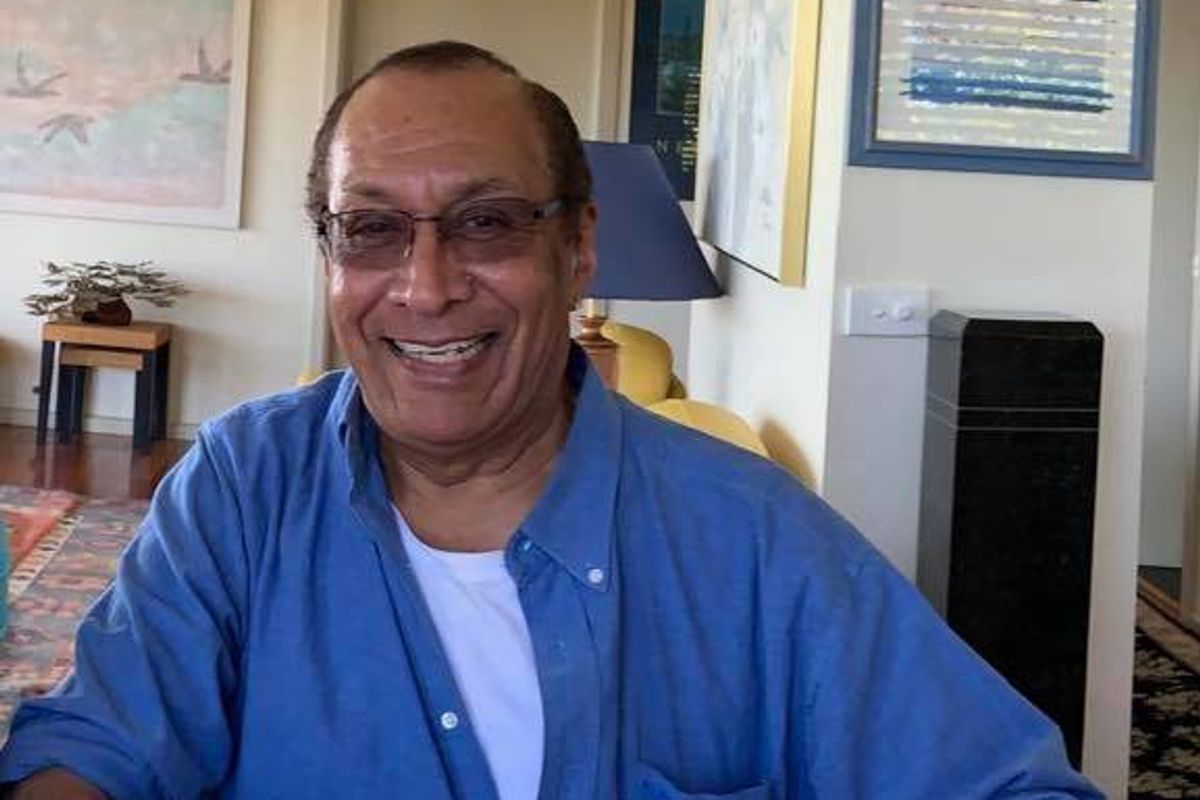
A terminally ill man, William Ian Southey, left his estate worth $1.3 million to an online boyfriend, only to discover that the recipient was an imaginary character. Upon Southey’s passing at the age of 73, it was revealed that his love interest, Kyle Stuart Jackson, was a fabricated identity. The court’s investigation into the matter has raised significant concerns about the authenticity of online relationships.
Southey, a resident of Melbourne, sought companionship online after the loss of his partner of 40 years. In early 2022, he connected with Kyle, believing he had found a soulmate. Plans to marry were discussed, but following Southey’s death, legal complications emerged regarding Kyle’s identity.
Doubts arose when solicitors attempted to verify Kyle’s existence. Kaye Moseley, Southey’s former wife, sought a court ruling to determine the legitimacy of Kyle’s identity. The legal team struggled to identify Kyle, leading to a conclusion that he was not a real person. According to Kaye’s legal representative, Rachael Hocking, “We couldn’t identify him so we couldn’t have him involved in the administration process, and we couldn’t have the estate distributed to him either.”
Over the course of two years, solicitors made multiple attempts to contact Kyle through phone calls and emails. They even arranged attempts for video meetings, but all efforts were unsuccessful. A private investigator discovered that a passport submitted by Kyle was counterfeit. Furthermore, a cheque worth $866,484, intended for the purchase of two Jean-Michel Basquiat paintings, was confirmed as invalid by Toronto-Dominion Bank.
In 2023, Associate Judge Caroline Anne Goulden concluded that the individual behind the email account used by Kyle responded infrequently to messages, and an address provided yielded no records of anyone by that name. The judge ruled, “I am satisfied that the person named [in the will] as Kyle Stuart Jackson does not exist in the manner understood by the deceased, or at all.”
Hocking has expressed concern over the implications of this case, describing it as a “dire warning” concerning online relationships. She emphasized, “These issues pop up time and time again, but I am very concerned that we’ll see lots more now, particularly with online relationships.” Hocking highlighted that financial scams often target vulnerable individuals, leading them to transfer money overseas. The case illustrates that such scams can extend to beneficiaries named in wills.
Southey’s estate included property located in Kew, a suburb of Melbourne, sold for $1.6 million. The only contact between Southey and Kyle was through the internet, yet this virtual relationship led to Kyle being named the executor of the will and the sole beneficiary of the estate. The entire situation underscores the necessity for vigilance when engaging in online relationships and highlights the risks associated with digital communication in the context of financial and personal connections.

Robinhood Stock Surges 2.5% Today Amid Tech Market Recovery

Philadelphia’s Earth Month Kicks Off with Free Events in Parks

GSK’s Inhaler Decision Sparks Health Concerns for Children

Bradford’s Fish Fry Fridays Offer Community Spirit and Flavor

Speculation Rises on Shutdowns During Trump’s Potential Presidency

Samsung Galaxy Watch 9 to Feature Larger Battery, Report Reveals

Inventors Find New Purpose Through Unconventional Paths

UConn Huskies Aim for Back-to-Back Titles in 2026 NCAA Tournament

U.S. Mine Countermeasure Ships Dock in Malaysia for Logistics Stop

University of Hawaiʻi at Mānoa Joins $25.6M AI Initiative for Disaster Monitoring

$2.2 Million Boost for Cancer Research and Training in Hawaiʻi

ALMA Discovers Companion Orbiting Red Giant Star π 1 Gruis

Sacituzumab Govitecan Shows Promise for HR+/HER2− Breast Cancer

币安人生 Sees $15.92 Million in Trading Volume Amid Market Fluctuations

New Gel Offers Hope for Regrowing Tooth Enamel in Dentistry

CAVA Group Shares Surge 5.1% Amid Mixed Analyst Ratings

Christian Bale in Talks to Join Leonardo DiCaprio in Heat 2

Supreme Court to Review Birthright Citizenship for Children of Immigrants
-
Science9 months ago
University of Hawaiʻi at Mānoa Joins $25.6M AI Initiative for Disaster Monitoring
-
 Health7 months ago
$2.2 Million Boost for Cancer Research and Training in Hawaiʻi
-
 Science8 months ago
ALMA Discovers Companion Orbiting Red Giant Star π 1 Gruis
-
 Health7 months ago
Sacituzumab Govitecan Shows Promise for HR+/HER2− Breast Cancer
-
Politics5 months ago
币安人生 Sees $15.92 Million in Trading Volume Amid Market Fluctuations
-
 Health9 months ago
New Gel Offers Hope for Regrowing Tooth Enamel in Dentistry
-
 Business7 months ago
CAVA Group Shares Surge 5.1% Amid Mixed Analyst Ratings
-
 Entertainment8 months ago
Christian Bale in Talks to Join Leonardo DiCaprio in Heat 2
-
 Politics7 months ago
Supreme Court to Review Birthright Citizenship for Children of Immigrants
-

 Lifestyle8 months ago
Art Deco and Traditional Designs Set to Transform Homes in 2026
-

 Lifestyle7 months ago
Fernando Mendoza Secures Maxwell and O’Brien Awards Ahead of Heisman
-

 World8 months ago
Swiss Residents Reject 50% Inheritance Tax on Wealthy