
World
Trump’s Stance on Iran: A Weakness, Not a Strength

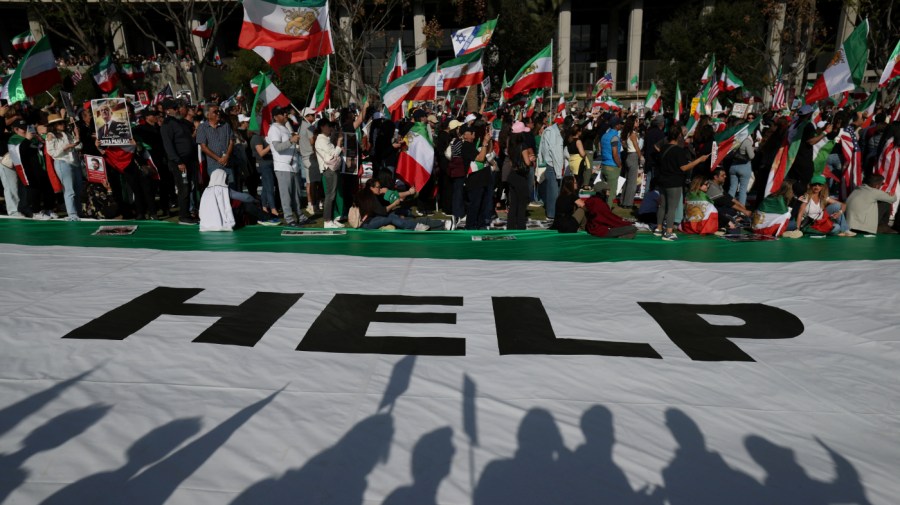
Former President Donald Trump has come under scrutiny for his remarks regarding Iran, particularly concerning the protests that erupted in the country in 2019. In a recent statement, Trump conveyed a message that the United States did not genuinely support the demonstrators who risked their lives to voice their opposition to the Iranian regime. This revelation raises significant questions about the credibility of U.S. foreign policy and its implications for international relations.
The protests in Iran were characterized by widespread public discontent, driven by economic hardships and political repression. Thousands of Iranians took to the streets, demanding reform and accountability from their government. During this period, the U.S. administration encouraged these protests, framing them as a fight for democracy and human rights. Trump’s latest comments appear to contradict this narrative, suggesting a lack of genuine commitment to the movement.
Implications for U.S. Foreign Policy
Trump’s remarks highlight a troubling aspect of his administration’s approach to foreign policy, particularly in regions experiencing significant turmoil. Critics argue that this “moral flexibility” undermines the United States’ credibility on the global stage. When a country publicly supports democratic movements but later dismisses them as inconsequential, it risks losing the trust of both allies and adversaries.
The contrast between Trump’s rhetoric and his actions has profound implications for how the U.S. is perceived internationally. For instance, while the administration positioned itself as a champion of democracy, the recent comments suggest a strategic retreat from that stance. Such shifts can embolden authoritarian regimes, as they may interpret U.S. positions as insincere or opportunistic.
The National Security Council was instrumental during the protests, advocating for U.S. support for the demonstrators. However, Trump’s recent statements indicate a disconnection between the administration’s public messaging and actual policy. This inconsistency may lead to a reevaluation of how the U.S. engages with similar movements in the future.
Domestic Political Repercussions
Domestically, Trump’s comments have elicited mixed reactions. Supporters argue that his pragmatic approach reflects a realistic understanding of international politics, while critics view it as a betrayal of the values the U.S. claims to uphold. The fallout from these statements could influence Trump’s standing within the Republican Party, especially as the nation approaches the 2024 presidential election.
Political analysts suggest that Trump’s remarks may create obstacles for any future attempts to rally support for democratic movements abroad. The potential for electoral consequences adds another layer of complexity to the discussion surrounding his foreign policy approach.
In conclusion, Trump’s recent statements regarding Iran’s protesters reveal a significant vulnerability in his foreign policy strategy. By portraying the U.S. as indifferent to the sacrifices made by those seeking change, he risks alienating both domestic and international audiences. The long-term effects of this stance remain to be seen, but the immediate implications for U.S. credibility and influence in global affairs are clear.

Robinhood Stock Surges 2.5% Today Amid Tech Market Recovery

Philadelphia’s Earth Month Kicks Off with Free Events in Parks

GSK’s Inhaler Decision Sparks Health Concerns for Children

Bradford’s Fish Fry Fridays Offer Community Spirit and Flavor

Speculation Rises on Shutdowns During Trump’s Potential Presidency

Samsung Galaxy Watch 9 to Feature Larger Battery, Report Reveals

Inventors Find New Purpose Through Unconventional Paths

UConn Huskies Aim for Back-to-Back Titles in 2026 NCAA Tournament

U.S. Mine Countermeasure Ships Dock in Malaysia for Logistics Stop

University of Hawaiʻi at Mānoa Joins $25.6M AI Initiative for Disaster Monitoring

$2.2 Million Boost for Cancer Research and Training in Hawaiʻi

ALMA Discovers Companion Orbiting Red Giant Star π 1 Gruis

Sacituzumab Govitecan Shows Promise for HR+/HER2− Breast Cancer

币安人生 Sees $15.92 Million in Trading Volume Amid Market Fluctuations

New Gel Offers Hope for Regrowing Tooth Enamel in Dentistry

CAVA Group Shares Surge 5.1% Amid Mixed Analyst Ratings

Christian Bale in Talks to Join Leonardo DiCaprio in Heat 2

Supreme Court to Review Birthright Citizenship for Children of Immigrants
-
Science8 months ago
University of Hawaiʻi at Mānoa Joins $25.6M AI Initiative for Disaster Monitoring
-
 Health7 months ago
$2.2 Million Boost for Cancer Research and Training in Hawaiʻi
-
 Science8 months ago
ALMA Discovers Companion Orbiting Red Giant Star π 1 Gruis
-
 Health7 months ago
Sacituzumab Govitecan Shows Promise for HR+/HER2− Breast Cancer
-
Politics4 months ago
币安人生 Sees $15.92 Million in Trading Volume Amid Market Fluctuations
-
 Health8 months ago
New Gel Offers Hope for Regrowing Tooth Enamel in Dentistry
-
 Business7 months ago
CAVA Group Shares Surge 5.1% Amid Mixed Analyst Ratings
-
 Entertainment8 months ago
Christian Bale in Talks to Join Leonardo DiCaprio in Heat 2
-
 Politics7 months ago
Supreme Court to Review Birthright Citizenship for Children of Immigrants
-

 Lifestyle8 months ago
Art Deco and Traditional Designs Set to Transform Homes in 2026
-

 Lifestyle7 months ago
Fernando Mendoza Secures Maxwell and O’Brien Awards Ahead of Heisman
-

 World8 months ago
Swiss Residents Reject 50% Inheritance Tax on Wealthy