
World
U.S. Sanctions Target Russia’s Oil Giants Amid Economic Strain

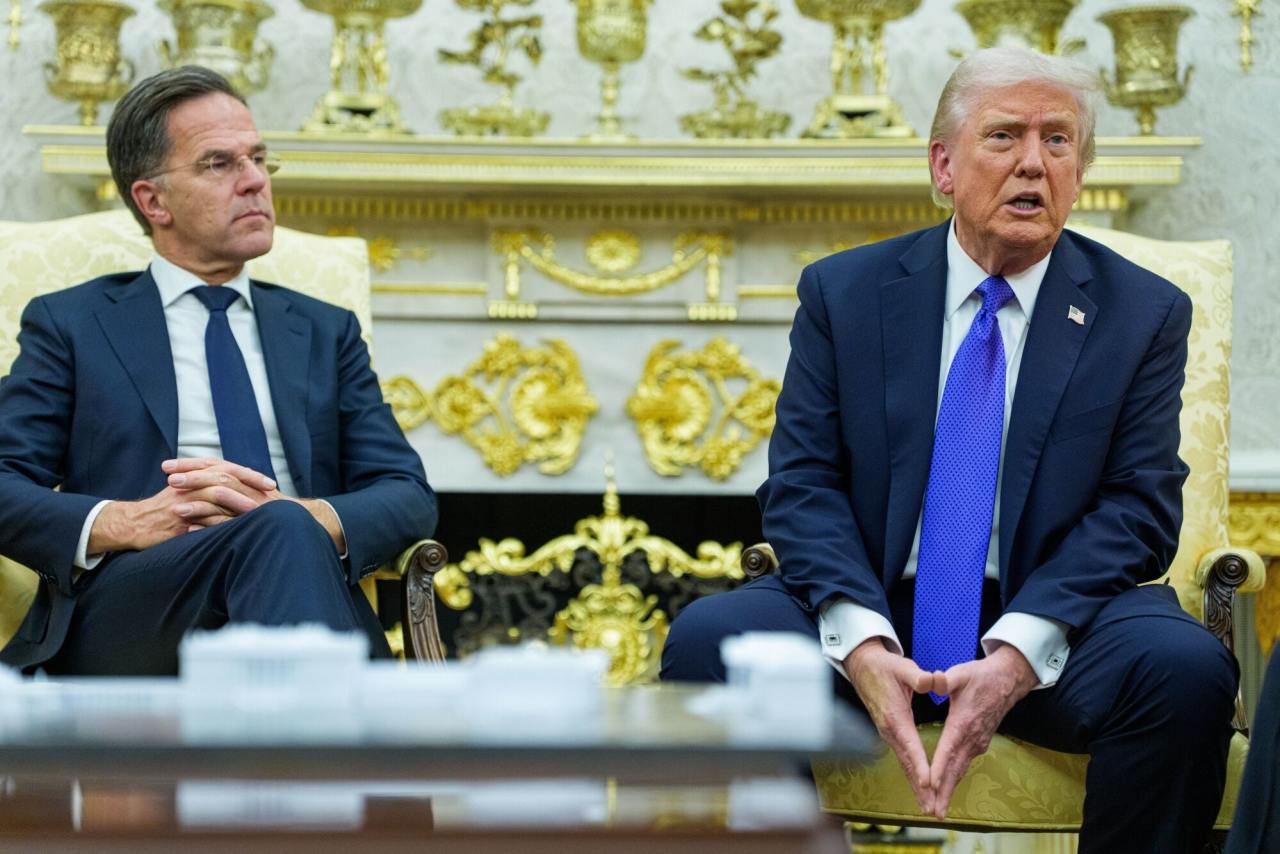
The United States has imposed new sanctions on some of Russia’s largest oil producers, further straining an already fragile economy. This latest move, announced on October 5, 2023, targets companies that are critical to Moscow’s revenue, particularly as the nation grapples with the consequences of ongoing geopolitical tensions.
These sanctions come at a time when Russia’s economy is facing significant challenges, including inflation and the impact of prior sanctions. According to the Russian Ministry of Finance, reduced oil exports could cost the country up to $40 billion in lost revenue over the next year. The sanctions specifically affect state-owned enterprises that have been pivotal in sustaining the country’s economic lifeline.
Impact on Global Oil Markets
The U.S. sanctions are expected to ripple through global oil markets, as Russia is one of the world’s leading oil exporters. The European Union, which has also been reducing its reliance on Russian energy, may see changes in supply dynamics. Experts suggest that this could lead to increased prices in the short term, as the market adjusts to the loss of Russian oil.
Russia’s capacity to maintain its oil production levels is already under scrutiny. The Organization of the Petroleum Exporting Countries (OPEC) has indicated that the market remains volatile, and the sanctions could exacerbate existing supply constraints. With rising global demand, especially from emerging economies, the full extent of the sanctions’ impact may become clearer in the coming months.
Economic Ramifications for Russia
The sanctions are likely to further isolate Russia from Western financial systems. Major banks and financial institutions are already hesitant to engage with Russian firms, fearing repercussions from the U.S. government. This isolation affects not only the oil sector but also broader economic activities within the country.
The Russian government has responded by seeking alternative markets for its oil exports, particularly in Asia. China and India have emerged as key partners, buying increased amounts of Russian crude at discounted prices. However, these efforts may not fully compensate for the revenue losses from Western markets.
Statements from the U.S. government emphasize that these sanctions aim to hold Russia accountable for its actions in Ukraine and to mitigate its capacity to fund military operations. The sanctions are part of a broader strategy to weaken Russia’s economic power while supporting Ukraine.
In summary, the U.S. sanctions against Russian oil producers mark a significant escalation in the ongoing economic confrontation between the two nations. As Russia’s economy faces mounting pressures, the long-term consequences of these measures will likely shape the global energy landscape for years to come.

Robinhood Stock Surges 2.5% Today Amid Tech Market Recovery

Philadelphia’s Earth Month Kicks Off with Free Events in Parks

GSK’s Inhaler Decision Sparks Health Concerns for Children

Bradford’s Fish Fry Fridays Offer Community Spirit and Flavor

Speculation Rises on Shutdowns During Trump’s Potential Presidency

Samsung Galaxy Watch 9 to Feature Larger Battery, Report Reveals

Inventors Find New Purpose Through Unconventional Paths

UConn Huskies Aim for Back-to-Back Titles in 2026 NCAA Tournament

U.S. Mine Countermeasure Ships Dock in Malaysia for Logistics Stop

University of Hawaiʻi at Mānoa Joins $25.6M AI Initiative for Disaster Monitoring

ALMA Discovers Companion Orbiting Red Giant Star π 1 Gruis

$2.2 Million Boost for Cancer Research and Training in Hawaiʻi

New Gel Offers Hope for Regrowing Tooth Enamel in Dentistry

Sacituzumab Govitecan Shows Promise for HR+/HER2− Breast Cancer

Christian Bale in Talks to Join Leonardo DiCaprio in Heat 2

Park Jung Min’s Endearing Moment with Hwasa Steals Show at Awards

CAVA Group Shares Surge 5.1% Amid Mixed Analyst Ratings

币安人生 Sees $15.92 Million in Trading Volume Amid Market Fluctuations
-
Science6 months ago
University of Hawaiʻi at Mānoa Joins $25.6M AI Initiative for Disaster Monitoring
-
 Science6 months ago
ALMA Discovers Companion Orbiting Red Giant Star π 1 Gruis
-
 Health5 months ago
$2.2 Million Boost for Cancer Research and Training in Hawaiʻi
-
 Health6 months ago
New Gel Offers Hope for Regrowing Tooth Enamel in Dentistry
-
 Health4 months ago
Sacituzumab Govitecan Shows Promise for HR+/HER2− Breast Cancer
-
 Entertainment6 months ago
Christian Bale in Talks to Join Leonardo DiCaprio in Heat 2
-
 Lifestyle6 months ago
Park Jung Min’s Endearing Moment with Hwasa Steals Show at Awards
-
 Business5 months ago
CAVA Group Shares Surge 5.1% Amid Mixed Analyst Ratings
-
Politics2 months ago
币安人生 Sees $15.92 Million in Trading Volume Amid Market Fluctuations
-

 Lifestyle6 months ago
Sampson County Celebrates Susie Faison’s 100th Birthday Milestone
-

 Lifestyle6 months ago
Art Deco and Traditional Designs Set to Transform Homes in 2026
-

 Lifestyle5 months ago
Fernando Mendoza Secures Maxwell and O’Brien Awards Ahead of Heisman