
World
Wealthy Landowners Exploit Loophole in Scottish Property Sales

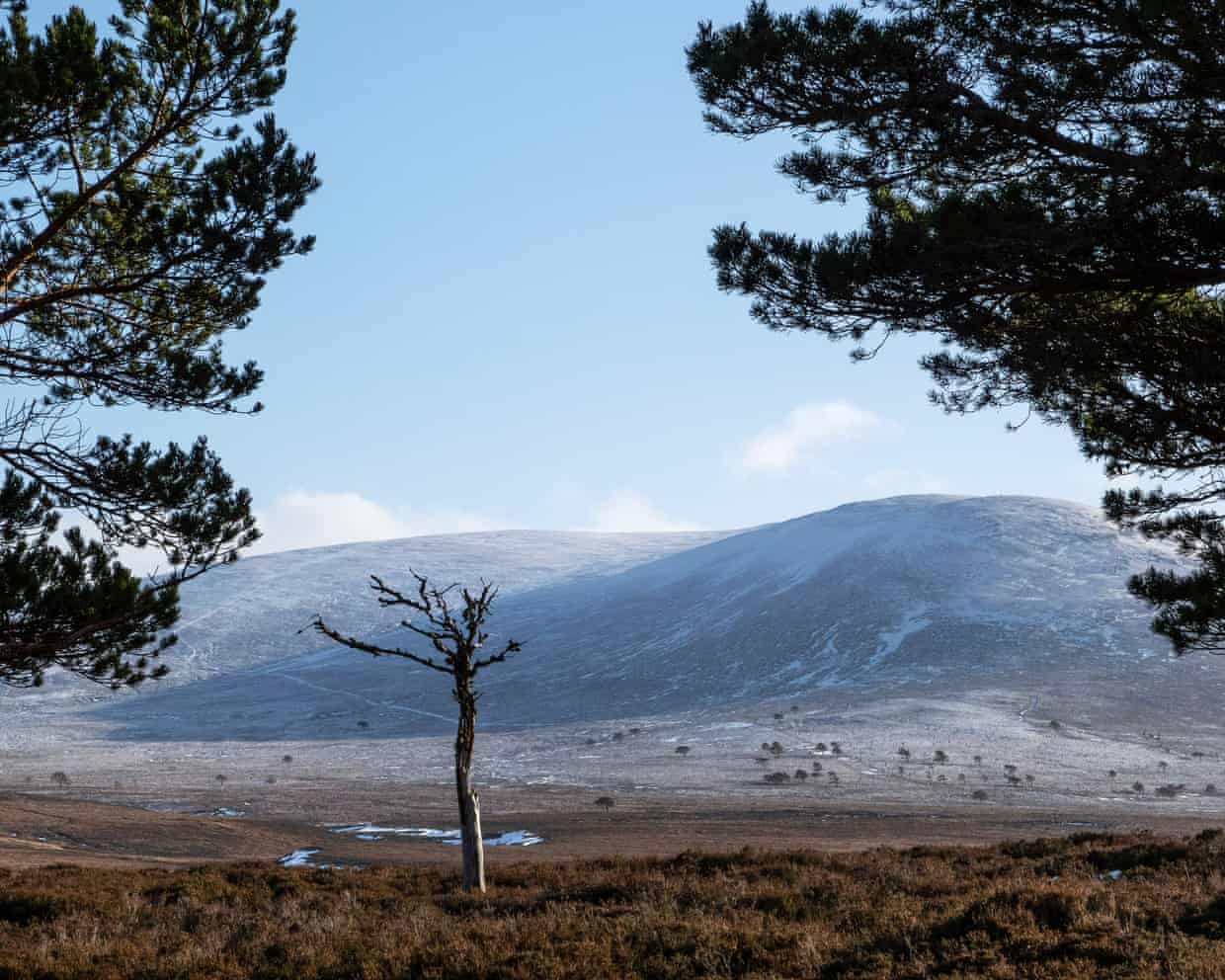
Land reform advocates are raising concerns over a legal loophole that enables landowners to hide the purchase prices of properties valued at over £300 million in Scotland. This situation has been highlighted by Andy Wightman, a land reform analyst, who noted that significant transactions in the Highland region are not reflected in the public land register.
Among the notable transactions is the purchase of the Glenlyon estate by the Discovery Land Company, a luxury resort operator based in Arizona, which acquired the property for £21.4 million in 2022. This estate is renowned for its scenic hill walks and deer stalking opportunities. Similarly, the rewilding firm Oxygen Conservation has utilized this loophole to keep secret the £42.75 million it paid for two estates in Scotland.
Surprisingly, the John Muir Trust (JMT), a well-respected charity focused on wild land conservation in the UK, has also employed this tactic. The trust purchased a holiday chalet park for £1.73 million and acquired an adjacent 166 hectares of land for £75,000 near Kylesku in north-west Scotland, without disclosing these figures.
Advocates for land reform, including Wightman, the Scottish Land Commission, and Community Land Scotland, are urging government officials to amend current legislation. They argue that this practice undermines efforts to foster transparency in Scotland’s land market. The commission, established to address the concentration of land ownership in Scotland, stated that this tactic “does not demonstrate good practice in responsible ownership” and obscures vital sales data.
According to the commission, “Transparency in land market data – including accurate sales values – is vital to provide a robust evidence base to inform sound policy and effective legislation.” Josh Doble from Community Land Scotland emphasized the need for accountability, stating, “It is simply unacceptable that those acquiring the largest pieces of land can obscure transaction details, when any homeowner has to provide that information publicly for comparatively minuscule property transactions.”
The loophole permits buyers to omit the price paid for the land from the registration form submitted to Registers of Scotland. Instead of entering the sale price in the “monetary consideration” section, they often use the phrase “implementation of missives” in the “non-monetary consideration” box. As a result, the purchase price is excluded from the title deeds and the public land register, necessitating a formal request and a fee of £25 plus VAT to uncover the actual sale price.
Wightman, who financed his research through crowdfunding, plans to contact Scottish ministers to advocate for legislative changes that would mandate the disclosure of sale prices on title deeds. He contends that landowners and their representatives are deliberately using this loophole to conceal transaction details. “Scottish ministers need to amend this legislation to make it clear that where a price is paid, that price is disclosed on the title sheet,” he stated.
The Scottish government is currently exploring possible reforms to enhance transparency. A government spokesperson noted that the keeper of the registers of Scotland, Jennifer Henderson, currently lacks the authority to mandate that sale prices be included in title deeds. “The Scottish government is currently working with the keeper to identify the potential scope to improve transparency in these cases,” they said.
In response to the situation, Oxygen Conservation expressed its commitment to transparency but indicated that confidentiality regarding sales prices is often requested by sellers. “Oxygen Conservation complies fully with the current legal framework and do not believe it is appropriate to characterize lawful registration practices as concealment,” the company stated.
The JMT also remarked that while they believed their approach was standard practice, they would investigate whether it could make sale prices publicly available. “The John Muir Trust is committed to transparency and openness in all areas of its operations and governance,” they affirmed. Discovery Land Company did not provide a comment regarding this issue.
Moreover, Par Equity, which purchased the Glen Dye grouse moor for £35.3 million in 2021, also did not disclose the price in the monetary consideration box. A representative stated, “It is sometimes the case that purchase or selling price is subject to confidentiality agreement at the behest of the seller.”
As this situation evolves, the implications for land transparency and accountability in Scotland are becoming increasingly significant, prompting calls for a reevaluation of current practices and legislation.

Robinhood Stock Surges 2.5% Today Amid Tech Market Recovery

Philadelphia’s Earth Month Kicks Off with Free Events in Parks

GSK’s Inhaler Decision Sparks Health Concerns for Children

Bradford’s Fish Fry Fridays Offer Community Spirit and Flavor

Speculation Rises on Shutdowns During Trump’s Potential Presidency

Samsung Galaxy Watch 9 to Feature Larger Battery, Report Reveals

Inventors Find New Purpose Through Unconventional Paths

UConn Huskies Aim for Back-to-Back Titles in 2026 NCAA Tournament

U.S. Mine Countermeasure Ships Dock in Malaysia for Logistics Stop

University of Hawaiʻi at Mānoa Joins $25.6M AI Initiative for Disaster Monitoring

$2.2 Million Boost for Cancer Research and Training in Hawaiʻi

ALMA Discovers Companion Orbiting Red Giant Star π 1 Gruis

Sacituzumab Govitecan Shows Promise for HR+/HER2− Breast Cancer

币安人生 Sees $15.92 Million in Trading Volume Amid Market Fluctuations

New Gel Offers Hope for Regrowing Tooth Enamel in Dentistry

CAVA Group Shares Surge 5.1% Amid Mixed Analyst Ratings

Supreme Court to Review Birthright Citizenship for Children of Immigrants

Christian Bale in Talks to Join Leonardo DiCaprio in Heat 2
-
Science9 months ago
University of Hawaiʻi at Mānoa Joins $25.6M AI Initiative for Disaster Monitoring
-
 Health7 months ago
$2.2 Million Boost for Cancer Research and Training in Hawaiʻi
-
 Science8 months ago
ALMA Discovers Companion Orbiting Red Giant Star π 1 Gruis
-
 Health7 months ago
Sacituzumab Govitecan Shows Promise for HR+/HER2− Breast Cancer
-
Politics5 months ago
币安人生 Sees $15.92 Million in Trading Volume Amid Market Fluctuations
-
 Health8 months ago
New Gel Offers Hope for Regrowing Tooth Enamel in Dentistry
-
 Business7 months ago
CAVA Group Shares Surge 5.1% Amid Mixed Analyst Ratings
-
 Politics7 months ago
Supreme Court to Review Birthright Citizenship for Children of Immigrants
-
 Entertainment8 months ago
Christian Bale in Talks to Join Leonardo DiCaprio in Heat 2
-

 Lifestyle8 months ago
Art Deco and Traditional Designs Set to Transform Homes in 2026
-

 Lifestyle7 months ago
Fernando Mendoza Secures Maxwell and O’Brien Awards Ahead of Heisman
-

 World8 months ago
Swiss Residents Reject 50% Inheritance Tax on Wealthy