
Health
Uncovering Hidden Trauma: A Journey Through Pain and Healing

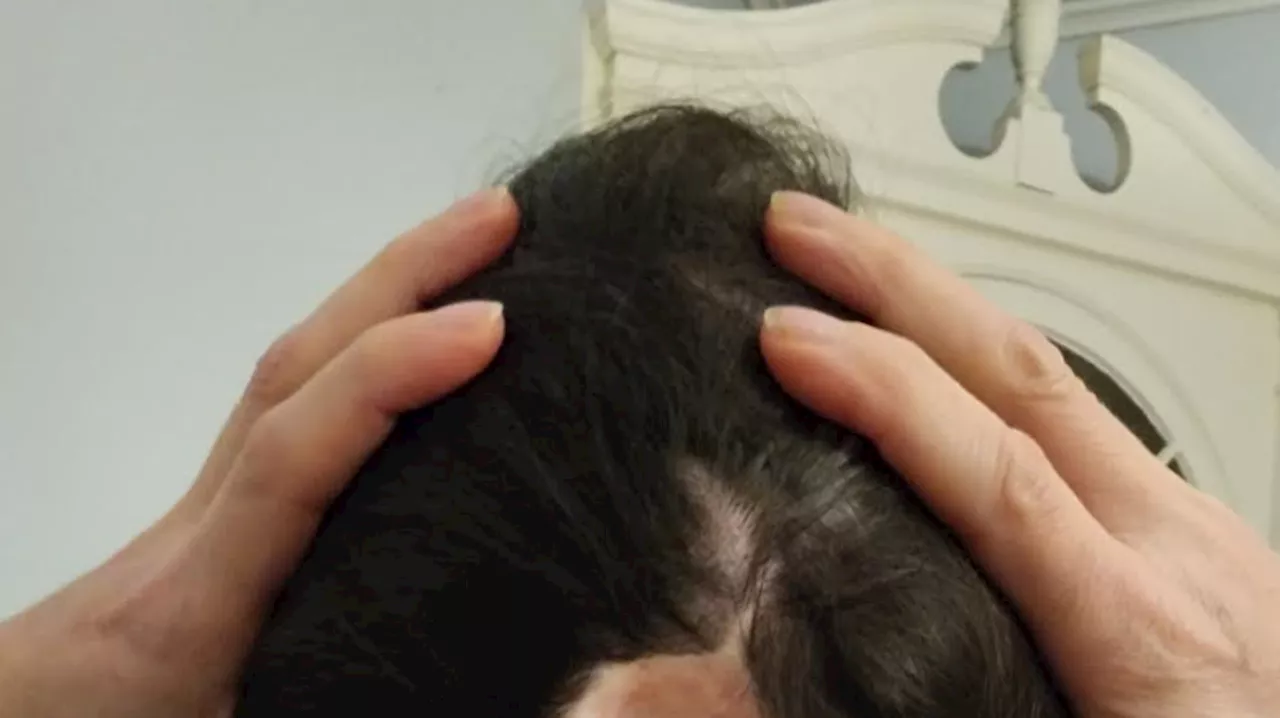
Chronic pain can often lead individuals to seek answers in unexpected places. For Jennifer Young, a long-term melanoma survivor, her journey into the depths of her physical ailments revealed connections to past trauma, including a serious childhood surgery. At the age of 38, Young was diagnosed with degenerative disc disease in her cervical spine, a condition that left her questioning the origins of her pain and its links to her earlier experiences.
During a session with her acupuncturist, Jade, Young began to explore the potential influences of her past on her current health. “Isn’t it amazing how old trauma like this can still present itself all these years later?” Jade remarked while inserting needles into Young’s shoulder blades. The conversation led to a pivotal revelation about a malignant tumor Young had removed from the base of her skull during her college years, a procedure that had unforeseen consequences on her physical well-being.
Young recounted how the surgeon had not only removed the tumor but had also excised part of her occipital bone. Reflecting on this, she questioned whether her chronic neck pain could be linked to this decades-old surgery. Jade’s examination involved tracing the suboccipital muscles, prompting Young to confront the emotional scars that accompanied her physical ones.
70% of adults in the U.S. have experienced some form of traumatic event at least once in their lives, illustrating the widespread nature of trauma. While some individuals may not recall these experiences, many others grapple with their lasting effects. Young’s journey highlights the importance of acknowledging both visible and invisible scars.
Jade’s words resonated deeply with Young: “It isn’t until we uncover old trauma like this and begin to treat it that we can truly heal.” This insight prompted Young to consider the emotional aspects of her trauma—specifically, how surviving cancer as a young adult still impacts her life today. The connection between mind and body became evident as she recognized that her physical symptoms might be manifestations of unresolved emotional pain.
Sitting in the tranquil atmosphere of the acupuncture clinic, Young felt a surge of memories related to her younger self. She recalled the physical adjustments she had made to conceal her scars, both from the surgical procedures and the emotional turmoil she had experienced. The act of covering up became a metaphor for how she had dealt with her trauma: by hiding it away rather than confronting it.
As she navigated her thoughts, Young drew parallels between her experiences and those of her children, who are now facing their own challenges as they transition into adulthood. This reflection brought forth a sense of urgency to address her past and the impact it has on her present.
The conversation with Jade served as a catalyst for Young to start unpacking her experiences more intentionally. She began to engage in honest discussions about her trauma and the ways it has shaped her life. Taking bold steps, she submitted a survivor profile to a melanoma community on social media, sharing a photograph of her surgical scar. The response was overwhelming, connecting her with others who share similar experiences.
Young’s journey underscores the notion that healing is not merely about physical recovery but also about embracing one’s full narrative, including scars—both seen and unseen. The realization that her body carries stories of trauma has led her to advocate for a deeper understanding of the emotional ramifications of past experiences.
Psychiatrist and author Bessel van der Kolk emphasizes this connection in his book, The Body Keeps the Score, stating that trauma often involves not being recognized or validated. Young’s experience exemplifies this concept, showing that true healing comes from acknowledging and integrating every aspect of oneself.
As she continues her journey, Young is now focused on bringing every part of herself forward, allowing her past to inform her present. Her experience serves as a reminder that healing is a multifaceted process, one that requires both recognition of physical pain and an understanding of the emotional scars that accompany it.
In sharing her story, Jennifer Young hopes to inspire others to confront their own trauma and seek healing, reinforcing the belief that every scar tells a story worth sharing.

Robinhood Stock Surges 2.5% Today Amid Tech Market Recovery

Philadelphia’s Earth Month Kicks Off with Free Events in Parks

GSK’s Inhaler Decision Sparks Health Concerns for Children

Bradford’s Fish Fry Fridays Offer Community Spirit and Flavor

Speculation Rises on Shutdowns During Trump’s Potential Presidency

Samsung Galaxy Watch 9 to Feature Larger Battery, Report Reveals

Inventors Find New Purpose Through Unconventional Paths

UConn Huskies Aim for Back-to-Back Titles in 2026 NCAA Tournament

U.S. Mine Countermeasure Ships Dock in Malaysia for Logistics Stop

University of Hawaiʻi at Mānoa Joins $25.6M AI Initiative for Disaster Monitoring

$2.2 Million Boost for Cancer Research and Training in Hawaiʻi

ALMA Discovers Companion Orbiting Red Giant Star π 1 Gruis

Sacituzumab Govitecan Shows Promise for HR+/HER2− Breast Cancer

币安人生 Sees $15.92 Million in Trading Volume Amid Market Fluctuations

New Gel Offers Hope for Regrowing Tooth Enamel in Dentistry

CAVA Group Shares Surge 5.1% Amid Mixed Analyst Ratings

Christian Bale in Talks to Join Leonardo DiCaprio in Heat 2

Supreme Court to Review Birthright Citizenship for Children of Immigrants
-
Science9 months ago
University of Hawaiʻi at Mānoa Joins $25.6M AI Initiative for Disaster Monitoring
-
 Health8 months ago
$2.2 Million Boost for Cancer Research and Training in Hawaiʻi
-
 Science9 months ago
ALMA Discovers Companion Orbiting Red Giant Star π 1 Gruis
-
 Health7 months ago
Sacituzumab Govitecan Shows Promise for HR+/HER2− Breast Cancer
-
Politics5 months ago
币安人生 Sees $15.92 Million in Trading Volume Amid Market Fluctuations
-
 Health9 months ago
New Gel Offers Hope for Regrowing Tooth Enamel in Dentistry
-
 Business8 months ago
CAVA Group Shares Surge 5.1% Amid Mixed Analyst Ratings
-
 Entertainment9 months ago
Christian Bale in Talks to Join Leonardo DiCaprio in Heat 2
-
 Politics8 months ago
Supreme Court to Review Birthright Citizenship for Children of Immigrants
-

 Lifestyle9 months ago
Art Deco and Traditional Designs Set to Transform Homes in 2026
-

 Lifestyle8 months ago
Fernando Mendoza Secures Maxwell and O’Brien Awards Ahead of Heisman
-

 World8 months ago
Swiss Residents Reject 50% Inheritance Tax on Wealthy