
Health
Understanding Wasps: Nature’s Misunderstood Allies

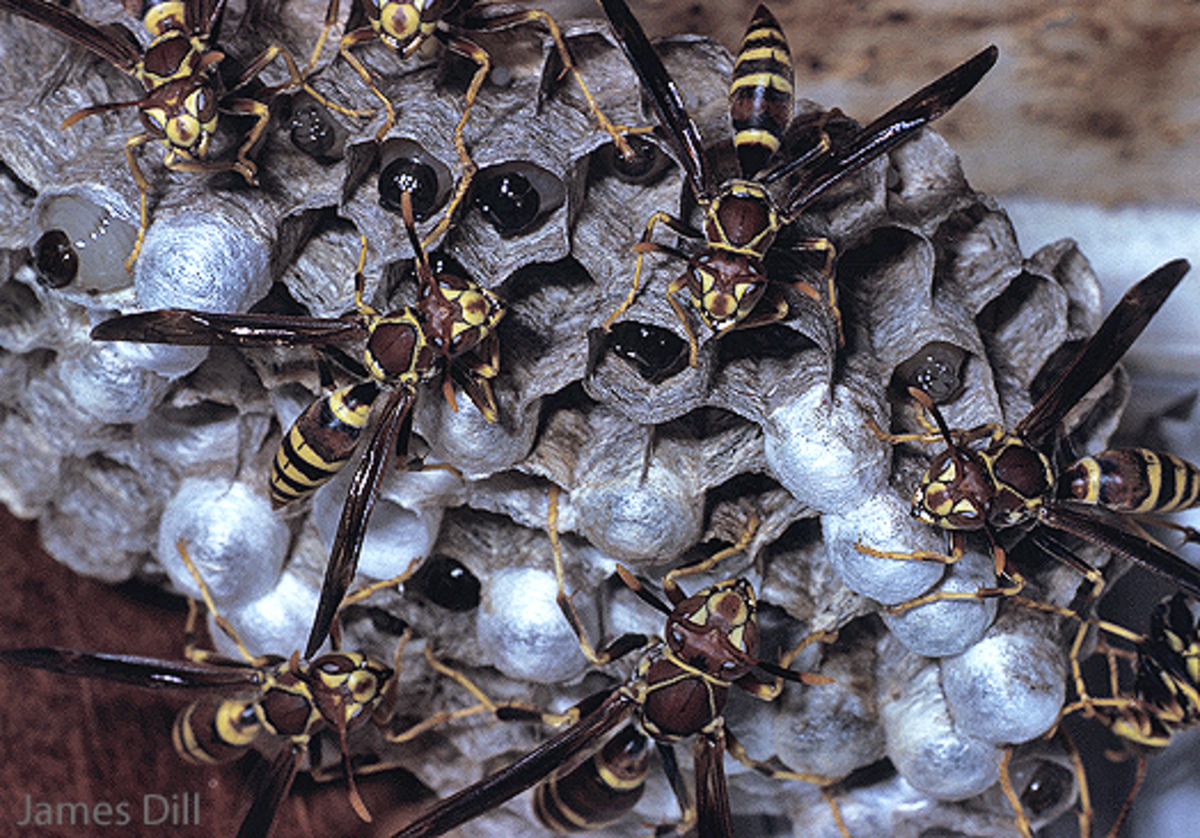
Many people view wasps as nuisances, particularly during the summer months when outdoor activities abound. However, as Madison Pflugbeil, a third-year student at the University of Maine, explores the world of entomology, she highlights the important and often overlooked role that wasps play in our ecosystem.
Reassessing Our Perception of Wasps
Wasps, with their notorious stings, are frequently met with disdain. Yet, out of the hundreds of thousands of wasp species, only a few are aggressive enough to sting humans. The majority are solitary and less likely to attack unless their nests are threatened. Unlike bees, whose barbed stingers result in their death after a sting, wasps possess smooth stingers that allow them to defend themselves without the same consequence. This biological difference enables wasps to be more assertive in protecting their colonies.
Wasps play a crucial role in maintaining ecological balance. Many solitary species are parasitoids, which means they lay their eggs in or on other insects, such as aphids and caterpillars. This natural pest control helps keep garden populations in check. Iconic wasps like yellowjackets specifically target flies, reducing their numbers and mitigating their impact on crops.
The Pollination Power of Wasps
Beyond pest control, wasps contribute significantly to the environment as pollinators. While often overshadowed by bees, they assist in the pollination process by transferring pollen as they move between plants. Certain species, such as fig wasps, have a symbiotic relationship with fig trees, essential for the tree’s reproduction. Orchids have even evolved to imitate wasp pheromones, attracting these insects for pollination.
In addition to their ecological roles, wasps are increasingly recognized for their medical potential. Each species has a unique venom composition, which researchers are investigating for various therapeutic applications. Preliminary studies suggest that wasp venom may help alleviate the swelling associated with arthritis, and there are promising avenues for treating autoimmune diseases and certain cancers with these naturally occurring compounds.
As Pflugbeil reflects on her newfound appreciation for wasps, she encourages a reevaluation of these insects. While it is important to remain cautious around them, their contributions to our environment and potential benefits to human health warrant a second look. With their diverse forms, from iridescent cuckoo wasps to the minuscule fairy wasps, wasps represent a fascinating segment of the insect kingdom that plays essential roles in our ecosystems.
In summary, rather than viewing wasps solely as pests, it may be time to recognize them as valuable allies in nature. They support ecological balance, contribute to pollination, and offer intriguing possibilities in medicine. This summer, as you enjoy the great outdoors, consider giving these misunderstood insects a chance. They are, after all, an integral part of the world we share.

Robinhood Stock Surges 2.5% Today Amid Tech Market Recovery

Philadelphia’s Earth Month Kicks Off with Free Events in Parks

GSK’s Inhaler Decision Sparks Health Concerns for Children

Bradford’s Fish Fry Fridays Offer Community Spirit and Flavor

Speculation Rises on Shutdowns During Trump’s Potential Presidency

Samsung Galaxy Watch 9 to Feature Larger Battery, Report Reveals

Inventors Find New Purpose Through Unconventional Paths

UConn Huskies Aim for Back-to-Back Titles in 2026 NCAA Tournament

U.S. Mine Countermeasure Ships Dock in Malaysia for Logistics Stop

University of Hawaiʻi at Mānoa Joins $25.6M AI Initiative for Disaster Monitoring

$2.2 Million Boost for Cancer Research and Training in Hawaiʻi

ALMA Discovers Companion Orbiting Red Giant Star π 1 Gruis

Sacituzumab Govitecan Shows Promise for HR+/HER2− Breast Cancer

币安人生 Sees $15.92 Million in Trading Volume Amid Market Fluctuations

New Gel Offers Hope for Regrowing Tooth Enamel in Dentistry

CAVA Group Shares Surge 5.1% Amid Mixed Analyst Ratings

Christian Bale in Talks to Join Leonardo DiCaprio in Heat 2

Supreme Court to Review Birthright Citizenship for Children of Immigrants
-
Science9 months ago
University of Hawaiʻi at Mānoa Joins $25.6M AI Initiative for Disaster Monitoring
-
 Health8 months ago
$2.2 Million Boost for Cancer Research and Training in Hawaiʻi
-
 Science9 months ago
ALMA Discovers Companion Orbiting Red Giant Star π 1 Gruis
-
 Health7 months ago
Sacituzumab Govitecan Shows Promise for HR+/HER2− Breast Cancer
-
Politics5 months ago
币安人生 Sees $15.92 Million in Trading Volume Amid Market Fluctuations
-
 Health9 months ago
New Gel Offers Hope for Regrowing Tooth Enamel in Dentistry
-
 Business8 months ago
CAVA Group Shares Surge 5.1% Amid Mixed Analyst Ratings
-
 Entertainment9 months ago
Christian Bale in Talks to Join Leonardo DiCaprio in Heat 2
-
 Politics8 months ago
Supreme Court to Review Birthright Citizenship for Children of Immigrants
-

 Lifestyle9 months ago
Art Deco and Traditional Designs Set to Transform Homes in 2026
-

 Lifestyle8 months ago
Fernando Mendoza Secures Maxwell and O’Brien Awards Ahead of Heisman
-

 World8 months ago
Swiss Residents Reject 50% Inheritance Tax on Wealthy