
Politics
Trump’s Loyal Acolyte Paul Ingrassia Navigates Controversy

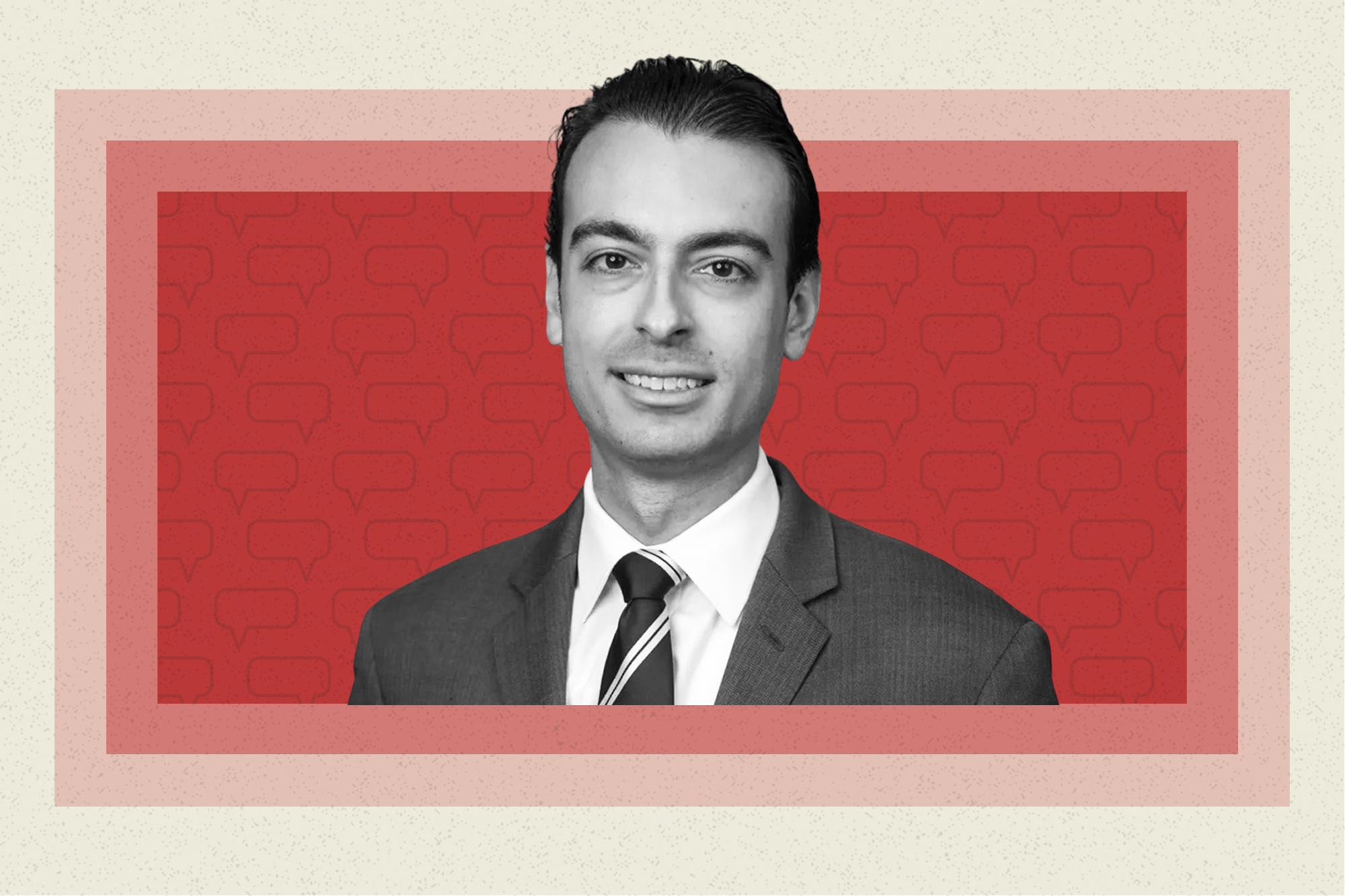
The political landscape in the United States is often defined by loyalty and ideology, particularly within the Republican Party. Recently, Paul Ingrassia, a controversial figure closely associated with former President Donald Trump, has highlighted how personal allegiance can sometimes overshadow critical ethical considerations. Ingrassia’s persistent presence in political circles, despite allegations of extremist affiliations, exemplifies this dynamic.
Ingrassia has faced scrutiny for his connections to individuals and groups that espouse extremist views, including those linked to Nazi ideology. These associations have raised significant concerns, particularly in the wake of the events surrounding the Capitol insurrection on January 6, 2021, where extremist rhetoric played a crucial role. Despite these controversies, Ingrassia has managed to maintain a prominent position within Trump’s inner circle and the broader Republican establishment.
Survival Amid Scrutiny
The resilience demonstrated by Ingrassia reflects a broader trend within the current administration, where loyalty often trumps other considerations. His survival in a politically charged environment illustrates how ideological affinity can create a protective bubble, insulating individuals from accountability. This phenomenon is particularly evident as the Republican Party grapples with its identity in the aftermath of Trump’s presidency.
Ingrassia’s ability to navigate these challenges is indicative of his close ties to Trump. The former president’s unwavering support for those who align with his views has allowed figures like Ingrassia to thrive, even when faced with public backlash. This loyalty has proven advantageous for Ingrassia, enabling him to continue his political endeavors while sidelining critics.
The Implications of Loyalty
The implications of this loyalty extend beyond individual careers; they resonate throughout the GOP and its supporters. Ingrassia’s situation raises critical questions about the party’s direction and its willingness to confront extremism within its ranks. As the Republican Party seeks to redefine itself, leaders must grapple with the legacy of Trump’s presidency and the lingering influence of his allies.
The persistence of figures like Ingrassia within the party may signal a reluctance to distance itself from controversial ideologies. This reluctance could have lasting consequences, as it may alienate moderate voters who are uncomfortable with extremist associations. As the GOP prepares for upcoming elections, the challenge will be balancing loyalty to Trump with the need for broader appeal.
In conclusion, Paul Ingrassia’s enduring presence in the political sphere underscores the complex interplay between loyalty and ideology within the Republican Party. His case serves as a reminder of the challenges faced by political parties in addressing extremist affiliations while maintaining unity among their supporters. As the political climate continues to evolve, the decisions made by party leaders will play a crucial role in shaping the future of the GOP and its relationship with its base.

Robinhood Stock Surges 2.5% Today Amid Tech Market Recovery

Philadelphia’s Earth Month Kicks Off with Free Events in Parks

GSK’s Inhaler Decision Sparks Health Concerns for Children

Bradford’s Fish Fry Fridays Offer Community Spirit and Flavor

Speculation Rises on Shutdowns During Trump’s Potential Presidency

Samsung Galaxy Watch 9 to Feature Larger Battery, Report Reveals

Inventors Find New Purpose Through Unconventional Paths

UConn Huskies Aim for Back-to-Back Titles in 2026 NCAA Tournament

U.S. Mine Countermeasure Ships Dock in Malaysia for Logistics Stop

University of Hawaiʻi at Mānoa Joins $25.6M AI Initiative for Disaster Monitoring

$2.2 Million Boost for Cancer Research and Training in Hawaiʻi

ALMA Discovers Companion Orbiting Red Giant Star π 1 Gruis

Sacituzumab Govitecan Shows Promise for HR+/HER2− Breast Cancer

币安人生 Sees $15.92 Million in Trading Volume Amid Market Fluctuations

New Gel Offers Hope for Regrowing Tooth Enamel in Dentistry

CAVA Group Shares Surge 5.1% Amid Mixed Analyst Ratings

Christian Bale in Talks to Join Leonardo DiCaprio in Heat 2

Supreme Court to Review Birthright Citizenship for Children of Immigrants
-
Science9 months ago
University of Hawaiʻi at Mānoa Joins $25.6M AI Initiative for Disaster Monitoring
-
 Health8 months ago
$2.2 Million Boost for Cancer Research and Training in Hawaiʻi
-
 Science9 months ago
ALMA Discovers Companion Orbiting Red Giant Star π 1 Gruis
-
 Health7 months ago
Sacituzumab Govitecan Shows Promise for HR+/HER2− Breast Cancer
-
Politics5 months ago
币安人生 Sees $15.92 Million in Trading Volume Amid Market Fluctuations
-
 Health9 months ago
New Gel Offers Hope for Regrowing Tooth Enamel in Dentistry
-
 Business8 months ago
CAVA Group Shares Surge 5.1% Amid Mixed Analyst Ratings
-
 Entertainment9 months ago
Christian Bale in Talks to Join Leonardo DiCaprio in Heat 2
-
 Politics8 months ago
Supreme Court to Review Birthright Citizenship for Children of Immigrants
-

 Lifestyle9 months ago
Art Deco and Traditional Designs Set to Transform Homes in 2026
-

 Lifestyle8 months ago
Fernando Mendoza Secures Maxwell and O’Brien Awards Ahead of Heisman
-

 World8 months ago
Swiss Residents Reject 50% Inheritance Tax on Wealthy