
Health
Study Reveals Health Risks of Household Plastic Burning in Developing Nations

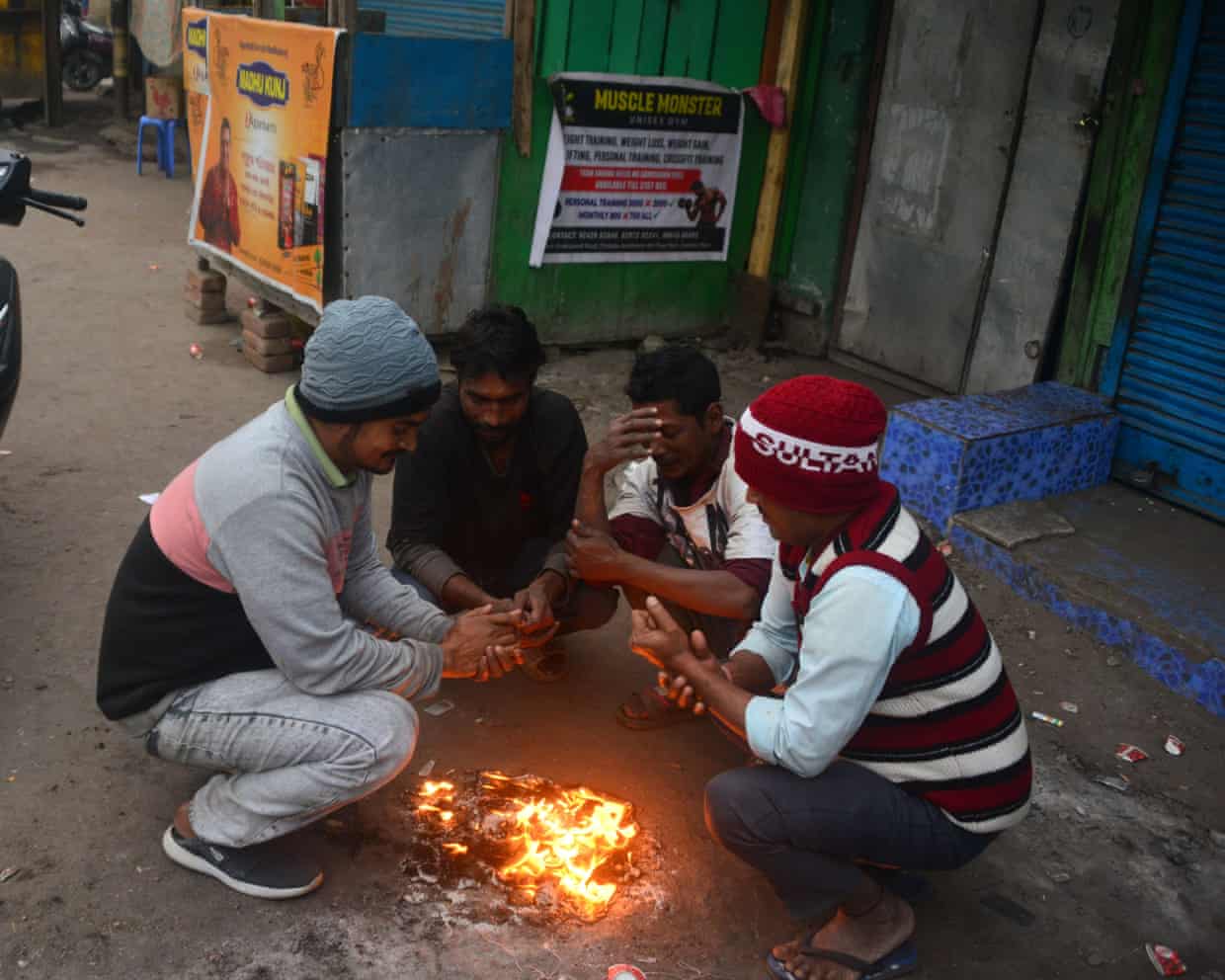
The practice of burning plastic waste in households is a significant health threat in developing countries, according to a global study published in the journal Nature Communications. The research surveyed over 1,000 respondents across 26 countries, revealing that approximately one in three individuals is aware of households engaging in this practice, while 16% admitted to burning plastic themselves.
Dr. Bishal Bharadwaj, the lead author of the study and a research associate at the University of Calgary, stated that the findings highlight a widespread issue that has previously lacked accurate data. He emphasized the challenges faced by families who cannot afford cleaner fuels and lack reliable waste collection systems. As a result, plastic becomes a last-resort energy source. Bharadwaj noted, “We found evidence of people burning everything from plastic bags and wrappers to bottles and packaging, just to meet basic household needs.”
The study sheds light on the hidden nature of this practice, predominantly occurring in marginalized communities. Despite its prevalence, it has evaded significant global attention, raising concerns about severe health and environmental risks.
Health Risks and Contributing Factors
Researchers conducted the survey in low- and middle-income countries across Asia, Africa, and Latin America. They posited that the burning of plastic does not solely stem from energy poverty but also serves as an informal solution to manage a high volume of mismanaged plastic waste.
The health risks associated with burning plastic are alarming. Inhaling toxic emissions in confined spaces can lead to serious health consequences, including the contamination of food. Burning plastic releases harmful compounds, such as dioxins, furans, and heavy metals. Previous research has demonstrated the presence of toxic compounds in egg samples collected near plastic burn sites, further underscoring the hazards involved.
Prof. Peta Ashworth, director of the Curtin Institute for Energy Transition in Perth and a co-author of the study, described this issue as arising from a “confluence of issues.” She explained that individuals in these communities often lack the financial resources to access clean cooking fuels. Additionally, the growing problem of plastic pollution and inadequate waste disposal practices exacerbate the situation.
The Need for Improved Waste Management
The OECD has projected that global plastic waste could nearly triple by 2060. Ashworth emphasized the importance of governments enhancing waste management programs and improving access to clean cooking solutions through subsidies and other interventions.
The researchers recommend educational campaigns to raise awareness about the dangers of burning plastic and suggest introducing new technologies for cleaner plastic disposal. Bharadwaj stated, “As rapid urbanization continues to outpace the expansion of essential services in many regions, the urgency of implementing these measures will only intensify.”
This study serves as a crucial first step towards understanding and addressing the critical knowledge gaps surrounding the burning of plastic waste in households. With concerted efforts from governments, NGOs, and communities, there is potential to mitigate the health risks and environmental damage associated with this widespread practice.

Robinhood Stock Surges 2.5% Today Amid Tech Market Recovery

Philadelphia’s Earth Month Kicks Off with Free Events in Parks

GSK’s Inhaler Decision Sparks Health Concerns for Children

Bradford’s Fish Fry Fridays Offer Community Spirit and Flavor

Speculation Rises on Shutdowns During Trump’s Potential Presidency

Samsung Galaxy Watch 9 to Feature Larger Battery, Report Reveals

Inventors Find New Purpose Through Unconventional Paths

UConn Huskies Aim for Back-to-Back Titles in 2026 NCAA Tournament

U.S. Mine Countermeasure Ships Dock in Malaysia for Logistics Stop

University of Hawaiʻi at Mānoa Joins $25.6M AI Initiative for Disaster Monitoring

$2.2 Million Boost for Cancer Research and Training in Hawaiʻi

ALMA Discovers Companion Orbiting Red Giant Star π 1 Gruis

Sacituzumab Govitecan Shows Promise for HR+/HER2− Breast Cancer

币安人生 Sees $15.92 Million in Trading Volume Amid Market Fluctuations

New Gel Offers Hope for Regrowing Tooth Enamel in Dentistry

CAVA Group Shares Surge 5.1% Amid Mixed Analyst Ratings

Christian Bale in Talks to Join Leonardo DiCaprio in Heat 2

Supreme Court to Review Birthright Citizenship for Children of Immigrants
-
Science9 months ago
University of Hawaiʻi at Mānoa Joins $25.6M AI Initiative for Disaster Monitoring
-
 Health7 months ago
$2.2 Million Boost for Cancer Research and Training in Hawaiʻi
-
 Science9 months ago
ALMA Discovers Companion Orbiting Red Giant Star π 1 Gruis
-
 Health7 months ago
Sacituzumab Govitecan Shows Promise for HR+/HER2− Breast Cancer
-
Politics5 months ago
币安人生 Sees $15.92 Million in Trading Volume Amid Market Fluctuations
-
 Health9 months ago
New Gel Offers Hope for Regrowing Tooth Enamel in Dentistry
-
 Business8 months ago
CAVA Group Shares Surge 5.1% Amid Mixed Analyst Ratings
-
 Entertainment8 months ago
Christian Bale in Talks to Join Leonardo DiCaprio in Heat 2
-
 Politics8 months ago
Supreme Court to Review Birthright Citizenship for Children of Immigrants
-

 Lifestyle8 months ago
Art Deco and Traditional Designs Set to Transform Homes in 2026
-

 Lifestyle8 months ago
Fernando Mendoza Secures Maxwell and O’Brien Awards Ahead of Heisman
-

 World8 months ago
Swiss Residents Reject 50% Inheritance Tax on Wealthy