
Science
Japan’s Yamato-1 Showcases Magnetohydrodynamic Propulsion System

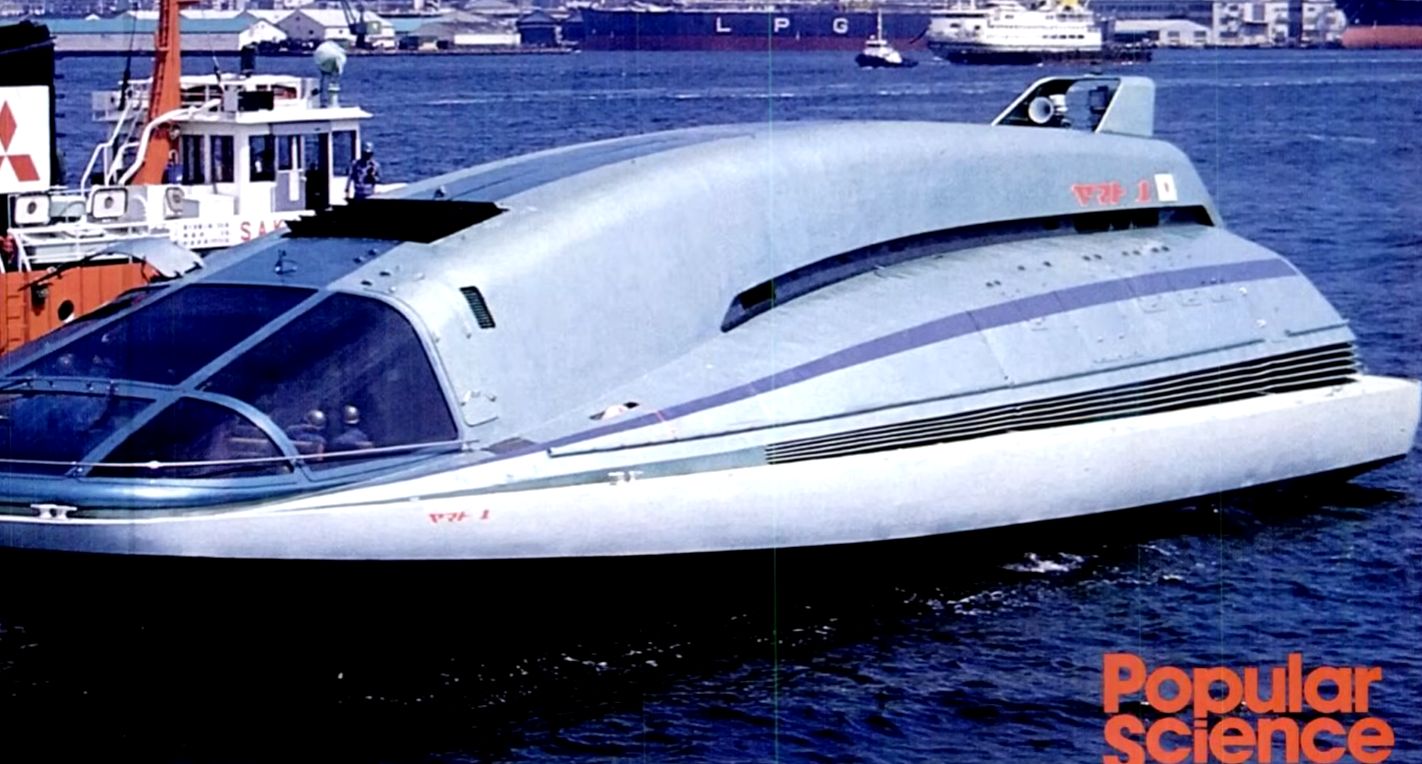
The Yamato-1, a groundbreaking vessel, introduced the world to magnetohydrodynamic propulsion (MHDD) technology. This innovative approach uses the Lorentz force to propel a ship through water without traditional propellers or moving parts. While conventional propellers dominate maritime propulsion, the Yamato-1 stands as a unique experiment in alternative marine technology.
Understanding Magnetohydrodynamic Propulsion
Magnetohydrodynamic propulsion operates by utilizing conductive seawater as a medium, generating thrust through interactions with magnetic fields. The Yamato-1 employed a specific type of MHDD known as induction, relying on liquid helium-cooled superconducting coils to create the necessary magnetic field. Seawater, enriched with ions from dissolved salts, reacts to this field, allowing the vessel to move according to the right-hand rule of physics.
Despite its innovative design, the Yamato-1 faced significant limitations. Its operational efficiency was around 15%, and the top speed reached only 15 km/h (approximately 8 knots). These figures highlight the challenges of utilizing seawater as a propulsion fluid, which lacks the ideal properties for efficient movement without additional ionization.
A Brief History of the Yamato-1
The Yamato-1 prototype, launched in 1992, remains the only full-scale model to have carried humans. After its initial trials, the vessel spent a considerable amount of time at the Kobe Maritime Museum, where it became somewhat of a curiosity. The prototype was eventually scrapped in 2016, marking the end of its physical presence but not its legacy in marine propulsion research.
Research into magnetohydrodynamic systems continues, although the limitations of seawater as a practical fluid have led many to view projects like the Yamato-1 as historical curiosities rather than practical solutions for modern shipping needs. The vessel’s unique design and operational challenges echo the fate of other innovative transport technologies, such as the Lun-class ekranoplan, which also struggled to find a place in contemporary applications.
In addition to its technical aspects, the Yamato-1 has inspired discussions about the future of maritime propulsion. While the concept of creating your own magnetohydrodynamic drive may sound complex, enthusiasts like Stephen Walters suggest that it can be demonstrated in a simple kitchen experiment.
The Yamato-1 serves as a reminder of the ongoing quest for more efficient and innovative marine propulsion systems. Even as traditional methods prevail, the exploration of alternatives will continue to shape the future of maritime technology.

Robinhood Stock Surges 2.5% Today Amid Tech Market Recovery

Philadelphia’s Earth Month Kicks Off with Free Events in Parks

GSK’s Inhaler Decision Sparks Health Concerns for Children

Bradford’s Fish Fry Fridays Offer Community Spirit and Flavor

Speculation Rises on Shutdowns During Trump’s Potential Presidency

Samsung Galaxy Watch 9 to Feature Larger Battery, Report Reveals

Inventors Find New Purpose Through Unconventional Paths

UConn Huskies Aim for Back-to-Back Titles in 2026 NCAA Tournament

U.S. Mine Countermeasure Ships Dock in Malaysia for Logistics Stop

University of Hawaiʻi at Mānoa Joins $25.6M AI Initiative for Disaster Monitoring

$2.2 Million Boost for Cancer Research and Training in Hawaiʻi

ALMA Discovers Companion Orbiting Red Giant Star π 1 Gruis

Sacituzumab Govitecan Shows Promise for HR+/HER2− Breast Cancer

币安人生 Sees $15.92 Million in Trading Volume Amid Market Fluctuations

New Gel Offers Hope for Regrowing Tooth Enamel in Dentistry

CAVA Group Shares Surge 5.1% Amid Mixed Analyst Ratings

Christian Bale in Talks to Join Leonardo DiCaprio in Heat 2

Supreme Court to Review Birthright Citizenship for Children of Immigrants
-
Science9 months ago
University of Hawaiʻi at Mānoa Joins $25.6M AI Initiative for Disaster Monitoring
-
 Health7 months ago
$2.2 Million Boost for Cancer Research and Training in Hawaiʻi
-
 Science9 months ago
ALMA Discovers Companion Orbiting Red Giant Star π 1 Gruis
-
 Health7 months ago
Sacituzumab Govitecan Shows Promise for HR+/HER2− Breast Cancer
-
Politics5 months ago
币安人生 Sees $15.92 Million in Trading Volume Amid Market Fluctuations
-
 Health9 months ago
New Gel Offers Hope for Regrowing Tooth Enamel in Dentistry
-
 Business8 months ago
CAVA Group Shares Surge 5.1% Amid Mixed Analyst Ratings
-
 Entertainment8 months ago
Christian Bale in Talks to Join Leonardo DiCaprio in Heat 2
-
 Politics8 months ago
Supreme Court to Review Birthright Citizenship for Children of Immigrants
-

 Lifestyle8 months ago
Art Deco and Traditional Designs Set to Transform Homes in 2026
-

 Lifestyle8 months ago
Fernando Mendoza Secures Maxwell and O’Brien Awards Ahead of Heisman
-

 World8 months ago
Swiss Residents Reject 50% Inheritance Tax on Wealthy