
Entertainment
10 Iconic Mystery Films That Shaped the Genre’s Future

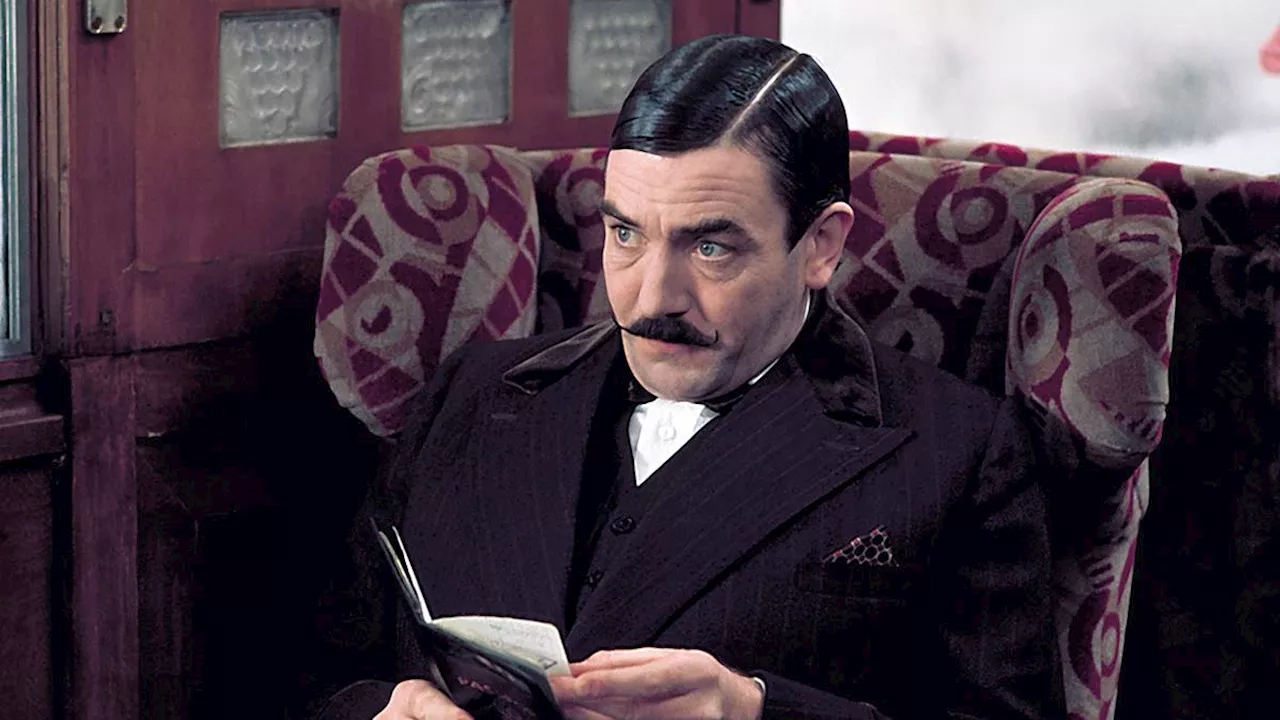
The world of mystery cinema has long captivated audiences with its intricate plots and thrilling twists. Many films have emerged as benchmarks that not only entertained but also established frameworks for future productions. This article highlights ten of these iconic films, exploring how they have shaped the genre and influenced countless others.
Groundbreaking Classics
Among the earliest examples of pioneering mystery films is The Naked City, released in 1948. Often overlooked today, this film is credited as the first police procedural drama. It set a precedent by being shot entirely on location in New York City, thus imbuing the narrative with an authentic atmosphere. The film follows detectives as they investigate the murder of a former supermodel, revealing the victim’s life through interviews and evidence collection. Its innovative approach transformed the city into a living character, rather than just a backdrop.
Another monumental work is Psycho, directed by Alfred Hitchcock. Released in 1960, this film redefined suspense with its nerve-wracking narrative centered on Marion Crane, who disappears after stealing money. Often cited as the origin of slasher cinema, Psycho established a template for creating tension and complex villains in mystery films. Its influence can still be seen in contemporary horror and thriller movies.
In 1941, Citizen Kane emerged as a cinematic landmark, often regarded as one of the greatest films ever made. The story revolves around a reporter investigating the meaning behind the enigmatic last word of media mogul Charles Foster Kane. With its non-linear storytelling and innovative cinematographic techniques, the film has left a lasting legacy in both mystery and broader cinematic narratives.
Modern Takes on the Genre
Fast forward to 2019, Knives Out introduced a fresh take on the classic whodunit formula. Directed by Rian Johnson, this film cleverly utilized familiar tropes—such as an eccentric detective and a confined setting—while simultaneously critiquing the moral decay of wealth and privilege. The film’s engaging narrative and sharp humor reinvigorated interest in the mystery genre, appealing to a modern audience.
Agatha Christie’s influence is undeniable, particularly with the 1945 adaptation of And Then There Were None. This film not only captured the essence of Christie’s writing but also marked a significant pivot in the whodunit subgenre. Featuring eight strangers trapped on an isolated island, the film builds tension as they are murdered one by one, creating a palpable atmosphere of paranoia that has influenced numerous thrillers since.
Another Hitchcock classic, Rear Window, released in 1954, showcases a masterful control of suspense. The plot focuses on L.B. Jeffries, a photographer who suspects a neighbor of murder. Taking place entirely within his apartment complex, the film utilizes its limited setting to create an intense atmosphere, establishing a precedent for single-location mysteries that many filmmakers have since emulated.
Lasting Impact on Mystery Cinema
The 1931 film M, directed by Fritz Lang, delves into the psychological landscape of a serial killer, setting a crucial template for future crime dramas. It explores the societal impact of crime and the subsequent panic, establishing a narrative complexity that remains relevant in today’s storytelling.
Another significant film is Murder on the Orient Express, released in 1974. This adaptation of Christie’s novel redefined the whodunit genre with its lavish production and a stellar ensemble cast, including Ingrid Bergman and Sean Connery. Directed by Sidney Lumet, the film combined opulence with engaging storytelling, revitalizing interest in mystery films.
Finally, The Maltese Falcon, released in 1941, is a cornerstone of film noir and mystery cinema. Based on Dashiell Hammett‘s novel, it introduced a hard-boiled detective narrative that has influenced countless stories in the genre. Its distinct visual style and thematic depth established a template for both mystery narratives and cinematic storytelling as a whole.
These ten films not only represent milestones in mystery cinema but also continue to inspire filmmakers today. Their ability to intertwine complex narratives with innovative techniques has ensured their place in the annals of film history. As audiences seek fresh perspectives in mystery storytelling, the blueprints laid down by these classics remain relevant and influential.

Robinhood Stock Surges 2.5% Today Amid Tech Market Recovery

Philadelphia’s Earth Month Kicks Off with Free Events in Parks

GSK’s Inhaler Decision Sparks Health Concerns for Children

Bradford’s Fish Fry Fridays Offer Community Spirit and Flavor

Speculation Rises on Shutdowns During Trump’s Potential Presidency

Samsung Galaxy Watch 9 to Feature Larger Battery, Report Reveals

Inventors Find New Purpose Through Unconventional Paths

UConn Huskies Aim for Back-to-Back Titles in 2026 NCAA Tournament

U.S. Mine Countermeasure Ships Dock in Malaysia for Logistics Stop

University of Hawaiʻi at Mānoa Joins $25.6M AI Initiative for Disaster Monitoring

$2.2 Million Boost for Cancer Research and Training in Hawaiʻi

ALMA Discovers Companion Orbiting Red Giant Star π 1 Gruis

Sacituzumab Govitecan Shows Promise for HR+/HER2− Breast Cancer

币安人生 Sees $15.92 Million in Trading Volume Amid Market Fluctuations

New Gel Offers Hope for Regrowing Tooth Enamel in Dentistry

CAVA Group Shares Surge 5.1% Amid Mixed Analyst Ratings

Christian Bale in Talks to Join Leonardo DiCaprio in Heat 2

Supreme Court to Review Birthright Citizenship for Children of Immigrants
-
Science9 months ago
University of Hawaiʻi at Mānoa Joins $25.6M AI Initiative for Disaster Monitoring
-
 Health7 months ago
$2.2 Million Boost for Cancer Research and Training in Hawaiʻi
-
 Science9 months ago
ALMA Discovers Companion Orbiting Red Giant Star π 1 Gruis
-
 Health7 months ago
Sacituzumab Govitecan Shows Promise for HR+/HER2− Breast Cancer
-
Politics5 months ago
币安人生 Sees $15.92 Million in Trading Volume Amid Market Fluctuations
-
 Health9 months ago
New Gel Offers Hope for Regrowing Tooth Enamel in Dentistry
-
 Business8 months ago
CAVA Group Shares Surge 5.1% Amid Mixed Analyst Ratings
-
 Entertainment8 months ago
Christian Bale in Talks to Join Leonardo DiCaprio in Heat 2
-
 Politics8 months ago
Supreme Court to Review Birthright Citizenship for Children of Immigrants
-

 Lifestyle8 months ago
Art Deco and Traditional Designs Set to Transform Homes in 2026
-

 Lifestyle8 months ago
Fernando Mendoza Secures Maxwell and O’Brien Awards Ahead of Heisman
-

 World8 months ago
Swiss Residents Reject 50% Inheritance Tax on Wealthy