
World
Japan’s Bond Market Reaction Raises Concerns for Election Strategy

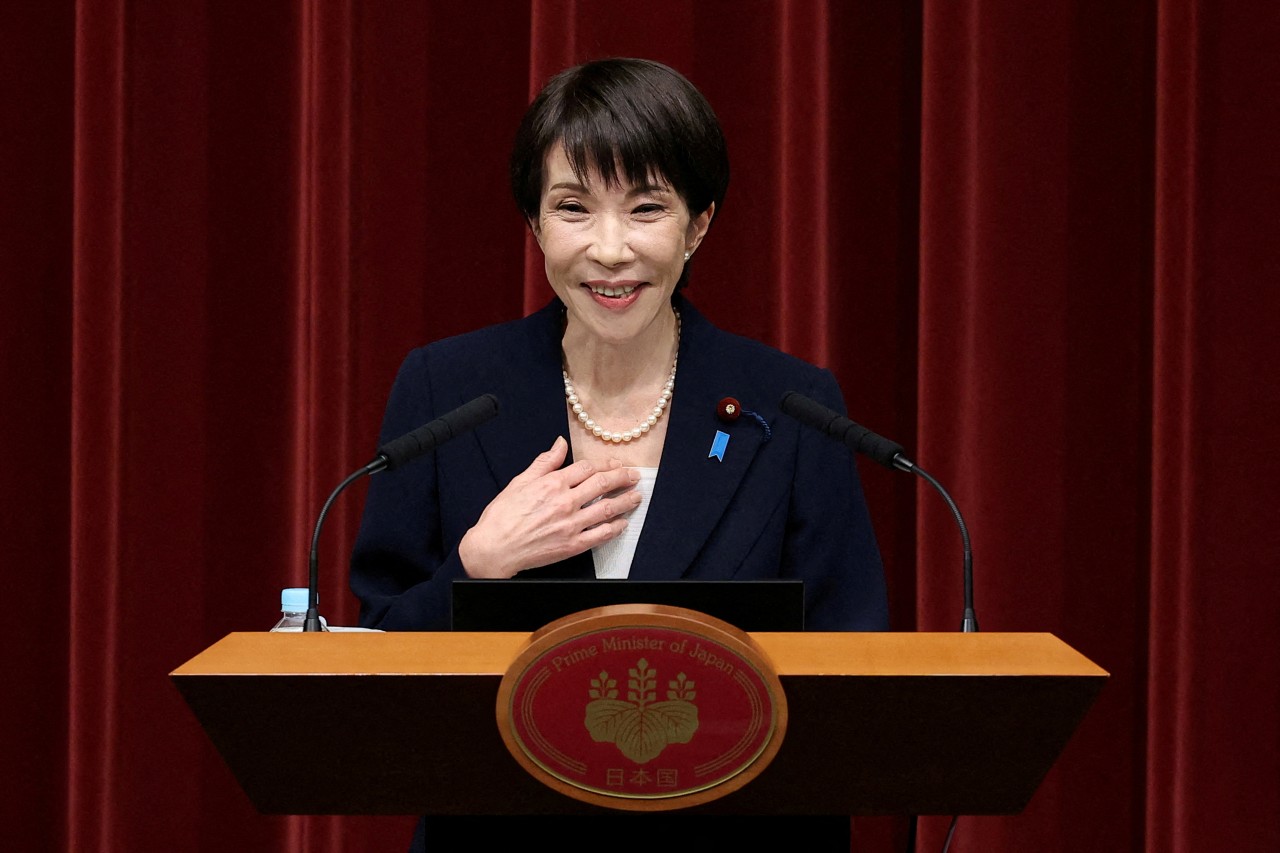
The bond market reacted sharply following a recent proposal by Japanese politician Sanae Takaichi, which aims to appeal to voters concerned about the rising cost of living. This reaction has raised concerns about the potential impact on her party’s strategy ahead of the upcoming elections. Investors responded by initiating a significant selloff in bonds globally, reflecting their fears over the implications of Takaichi’s plan.
Takaichi, a prominent figure in Japanese politics, has been vocal about her commitment to address economic challenges. Her proposals include measures that could lead to increased government spending in an attempt to alleviate financial pressures on households. However, the immediate aftermath has not been favorable. The announcement resulted in a noticeable downturn in bond prices, with yields climbing in response to fears of inflation and rising debt levels.
Investor sentiment has turned cautious as the implications of Takaichi’s proposals become clearer. Analysts indicate that a substantial increase in public spending, particularly if funded by debt, could lead to higher interest rates. This situation would further threaten Japan’s already delicate economic recovery. According to data from Bloomberg, the yield on Japan’s benchmark 10-year government bond surged to 0.65% in late October 2023, marking its highest level in over a decade.
The global repercussions of Japan’s bond market instability were evident, as investors in other regions began to reevaluate their own strategies. The selloff extended beyond Japan, with significant declines in bond prices observed in the United States and Europe. Financial markets are increasingly interconnected, and movements in one major economy can trigger responses worldwide.
As the election date approaches, Takaichi’s party must navigate these turbulent waters carefully. The October 2023 elections will be crucial in determining Japan’s political landscape, particularly in light of ongoing economic challenges. Public opinion is shifting, and the electorate’s response to Takaichi’s proposals could play a decisive role in the outcome.
Compounding the situation is Japan’s persistent struggle with inflation, which recently reached levels not seen in years. Households are feeling the pinch, and Takaichi’s plans are seen as a double-edged sword. While voters may appreciate the intent to support them, the potential for increased government debt could raise alarm bells about long-term economic stability.
In summary, the bond market’s negative reaction to Sanae Takaichi‘s proposals signals a reality check for Japanese political leaders as they prepare for the upcoming elections. The interplay between public policy, investor confidence, and economic conditions will be crucial in shaping the future direction of Japan’s economy. As the situation develops, all eyes will be on how Takaichi and her party respond to these challenges while trying to maintain voter support.

Robinhood Stock Surges 2.5% Today Amid Tech Market Recovery

Philadelphia’s Earth Month Kicks Off with Free Events in Parks

GSK’s Inhaler Decision Sparks Health Concerns for Children

Bradford’s Fish Fry Fridays Offer Community Spirit and Flavor

Speculation Rises on Shutdowns During Trump’s Potential Presidency

Samsung Galaxy Watch 9 to Feature Larger Battery, Report Reveals

Inventors Find New Purpose Through Unconventional Paths

UConn Huskies Aim for Back-to-Back Titles in 2026 NCAA Tournament

U.S. Mine Countermeasure Ships Dock in Malaysia for Logistics Stop

University of Hawaiʻi at Mānoa Joins $25.6M AI Initiative for Disaster Monitoring

$2.2 Million Boost for Cancer Research and Training in Hawaiʻi

ALMA Discovers Companion Orbiting Red Giant Star π 1 Gruis

Sacituzumab Govitecan Shows Promise for HR+/HER2− Breast Cancer

币安人生 Sees $15.92 Million in Trading Volume Amid Market Fluctuations

New Gel Offers Hope for Regrowing Tooth Enamel in Dentistry

CAVA Group Shares Surge 5.1% Amid Mixed Analyst Ratings

Christian Bale in Talks to Join Leonardo DiCaprio in Heat 2

Supreme Court to Review Birthright Citizenship for Children of Immigrants
-
Science9 months ago
University of Hawaiʻi at Mānoa Joins $25.6M AI Initiative for Disaster Monitoring
-
 Health7 months ago
$2.2 Million Boost for Cancer Research and Training in Hawaiʻi
-
 Science8 months ago
ALMA Discovers Companion Orbiting Red Giant Star π 1 Gruis
-
 Health7 months ago
Sacituzumab Govitecan Shows Promise for HR+/HER2− Breast Cancer
-
Politics5 months ago
币安人生 Sees $15.92 Million in Trading Volume Amid Market Fluctuations
-
 Health9 months ago
New Gel Offers Hope for Regrowing Tooth Enamel in Dentistry
-
 Business7 months ago
CAVA Group Shares Surge 5.1% Amid Mixed Analyst Ratings
-
 Entertainment8 months ago
Christian Bale in Talks to Join Leonardo DiCaprio in Heat 2
-
 Politics7 months ago
Supreme Court to Review Birthright Citizenship for Children of Immigrants
-

 Lifestyle8 months ago
Art Deco and Traditional Designs Set to Transform Homes in 2026
-

 Lifestyle7 months ago
Fernando Mendoza Secures Maxwell and O’Brien Awards Ahead of Heisman
-

 World8 months ago
Swiss Residents Reject 50% Inheritance Tax on Wealthy