
World
Japan’s Prime Minister Takaichi Calls Snap Election After Just Three Months

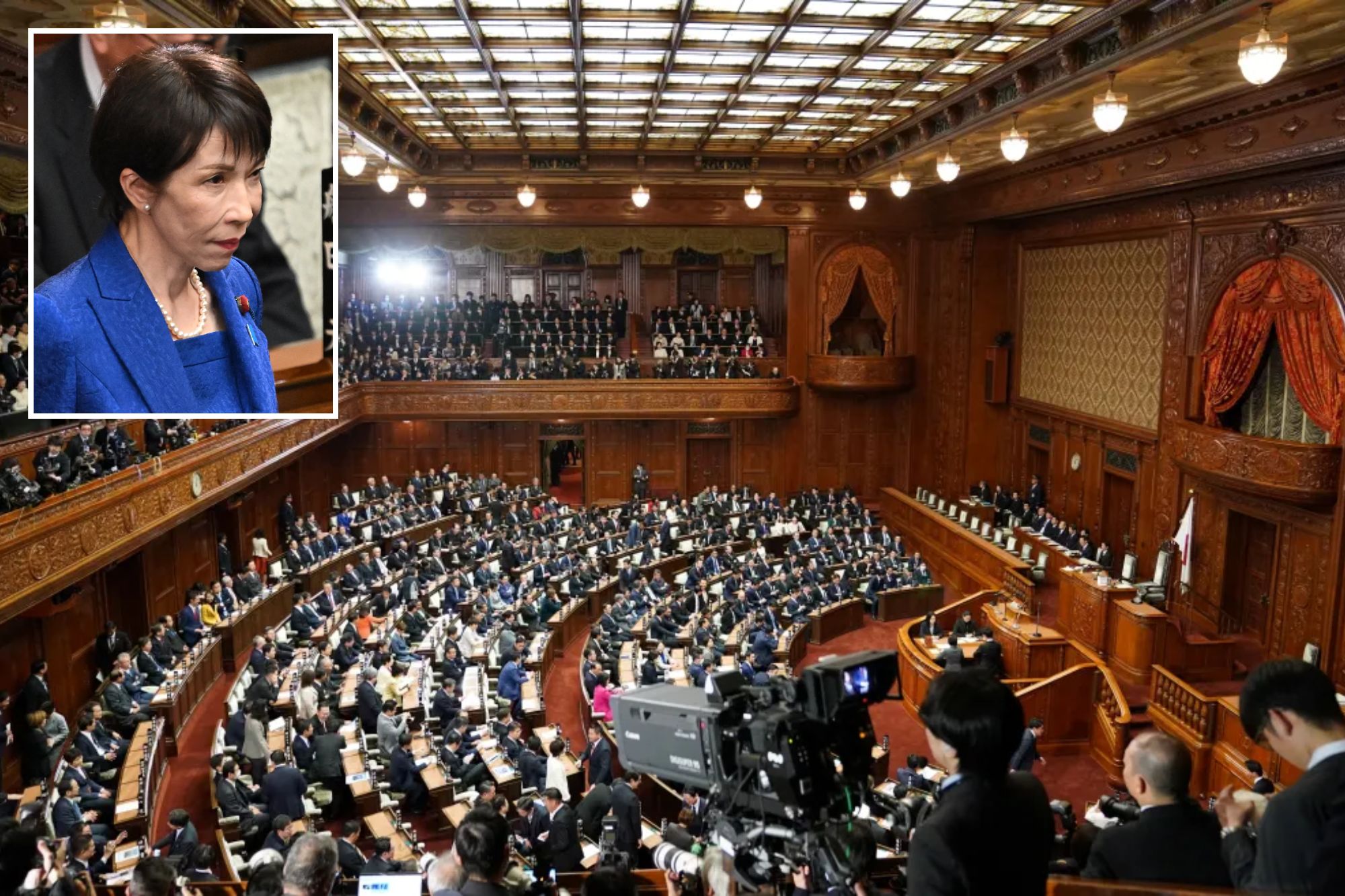
Japan’s Prime Minister Sanae Takaichi has dissolved the lower house of Parliament, setting the stage for a snap election on February 8, 2024. This decision comes just three months into her tenure, as Takaichi aims to leverage her strong approval ratings to solidify her party’s position following recent electoral setbacks.
The dissolution of the 465-member lower house means a campaign period will officially begin on Tuesday, allowing only 12 days for candidates to rally support. This strategic move is designed to expand the governing majority of the Liberal Democratic Party (LDP), which currently holds a slim lead in the more powerful chamber of Japan’s Parliament.
Takaichi, who made history as Japan’s first female prime minister, has enjoyed approval ratings hovering around 70%. Her popularity stems from an assertive leadership style, particularly among younger voters. However, her decision to call for an election has drawn criticism from opposition leaders who argue that it delays crucial discussions on a budget aimed at revitalizing a struggling economy and curbing rising inflation.
Fukushiro Nukaga, the house speaker, announced the dissolution, prompting parliamentarians to chant “banzai” — meaning “long live” — three times before exiting to prepare for the election campaign. This enthusiasm reflects the urgency within the LDP to regain public trust following a 2024 election loss that has left the party vulnerable.
Opposition leaders assert that the dissolution undermines the legislative process. Takaichi defended her decision, stating, “I believe that the only option is for the people, as sovereign citizens, to decide whether Sanae Takaichi should be prime minister. I’m staking my career as prime minister on it.” Her comments underscore her commitment to her political agenda, which includes a focus on increased military spending and stricter immigration policies.
Takaichi’s leadership style sets her apart from her predecessor, Shigeru Ishiba. She aims to distinguish her administration by emphasizing fiscal responsibility and a robust national defense. While her proactive stance has garnered approval, the LDP remains tainted by a political funds scandal, prompting some traditional supporters to turn to emerging parties like the far-right Sanseito.
Tensions with China have also intensified in recent months. Takaichi has made statements suggesting that Japan could participate militarily if China were to take aggressive actions towards Taiwan, which Beijing claims as part of its territory. These remarks have provoked a strong backlash from China, leading to increased economic and diplomatic repercussions.
Additionally, former U.S. President Donald Trump has pressured Japan to increase defense spending as part of a broader strategy to counterbalance China’s military ambitions. Takaichi’s government is thus navigating complex international dynamics while trying to maintain domestic stability.
As Japan approaches this pivotal election, the outcome will likely shape the nation’s political landscape and its response to both economic challenges and regional security threats. The electorate’s decision will reflect their priorities, weighing Takaichi’s bold vision against the backdrop of past governance and ongoing geopolitical tensions.

Robinhood Stock Surges 2.5% Today Amid Tech Market Recovery

Philadelphia’s Earth Month Kicks Off with Free Events in Parks

GSK’s Inhaler Decision Sparks Health Concerns for Children

Bradford’s Fish Fry Fridays Offer Community Spirit and Flavor

Speculation Rises on Shutdowns During Trump’s Potential Presidency

Samsung Galaxy Watch 9 to Feature Larger Battery, Report Reveals

Inventors Find New Purpose Through Unconventional Paths

UConn Huskies Aim for Back-to-Back Titles in 2026 NCAA Tournament

U.S. Mine Countermeasure Ships Dock in Malaysia for Logistics Stop

University of Hawaiʻi at Mānoa Joins $25.6M AI Initiative for Disaster Monitoring

$2.2 Million Boost for Cancer Research and Training in Hawaiʻi

ALMA Discovers Companion Orbiting Red Giant Star π 1 Gruis

Sacituzumab Govitecan Shows Promise for HR+/HER2− Breast Cancer

币安人生 Sees $15.92 Million in Trading Volume Amid Market Fluctuations

New Gel Offers Hope for Regrowing Tooth Enamel in Dentistry

CAVA Group Shares Surge 5.1% Amid Mixed Analyst Ratings

Christian Bale in Talks to Join Leonardo DiCaprio in Heat 2

Supreme Court to Review Birthright Citizenship for Children of Immigrants
-
Science9 months ago
University of Hawaiʻi at Mānoa Joins $25.6M AI Initiative for Disaster Monitoring
-
 Health7 months ago
$2.2 Million Boost for Cancer Research and Training in Hawaiʻi
-
 Science8 months ago
ALMA Discovers Companion Orbiting Red Giant Star π 1 Gruis
-
 Health7 months ago
Sacituzumab Govitecan Shows Promise for HR+/HER2− Breast Cancer
-
Politics5 months ago
币安人生 Sees $15.92 Million in Trading Volume Amid Market Fluctuations
-
 Health9 months ago
New Gel Offers Hope for Regrowing Tooth Enamel in Dentistry
-
 Business7 months ago
CAVA Group Shares Surge 5.1% Amid Mixed Analyst Ratings
-
 Entertainment8 months ago
Christian Bale in Talks to Join Leonardo DiCaprio in Heat 2
-
 Politics7 months ago
Supreme Court to Review Birthright Citizenship for Children of Immigrants
-

 Lifestyle8 months ago
Art Deco and Traditional Designs Set to Transform Homes in 2026
-

 Lifestyle7 months ago
Fernando Mendoza Secures Maxwell and O’Brien Awards Ahead of Heisman
-

 World8 months ago
Swiss Residents Reject 50% Inheritance Tax on Wealthy