
World
Ukraine Lawmakers Reject Territory Cession Despite Peace Talks

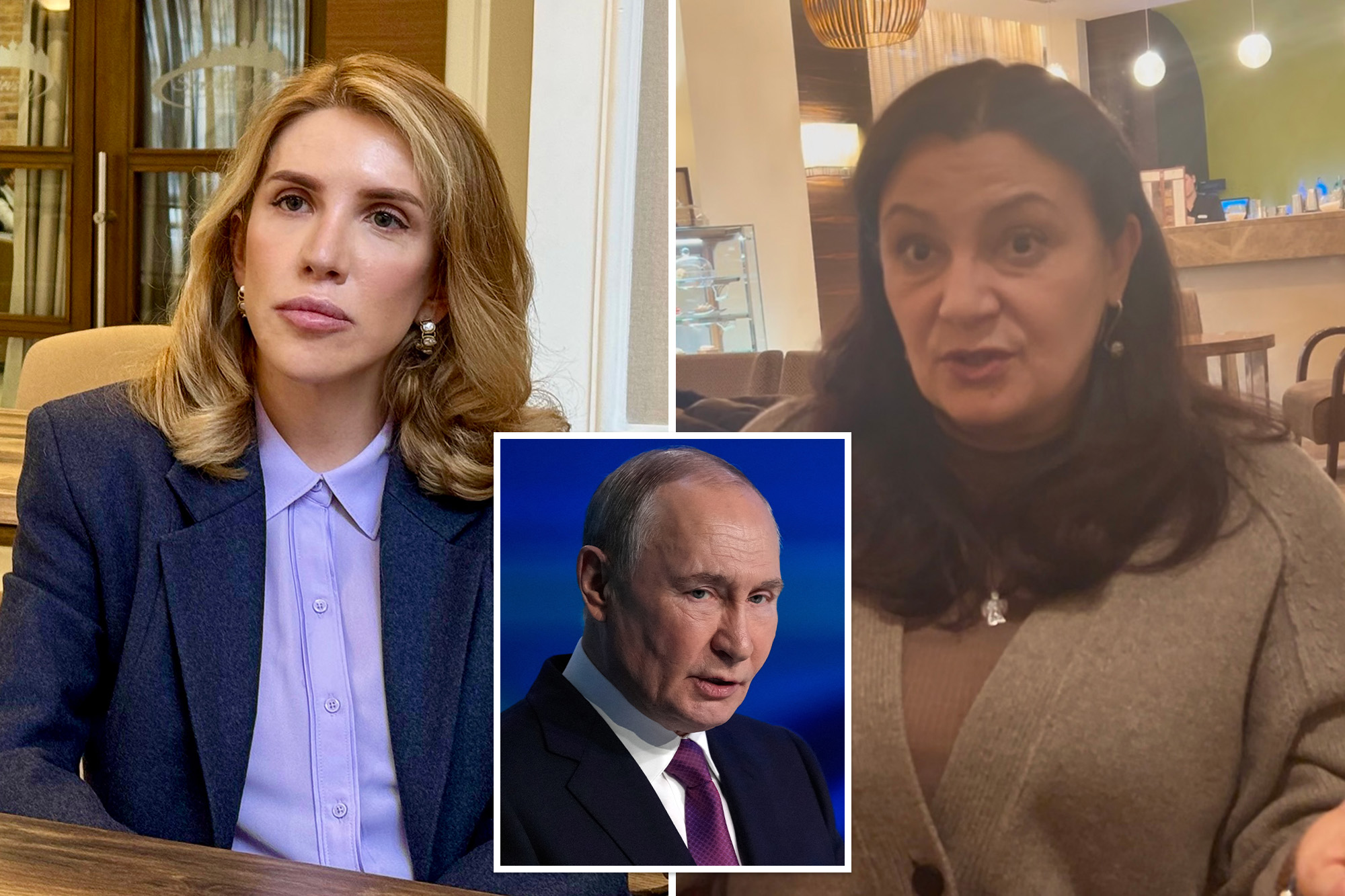
Ukrainian lawmakers have voiced strong opposition to any potential referendum that would cede territory to Russia in exchange for peace. They argue that such a move would be met with overwhelming public rejection, as trust in Russian President Vladimir Putin has eroded after years of conflict. On Wednesday, representatives from various political factions in Kyiv emphasized that past experiences have left Ukrainians skeptical about any commitments made by Russia.
Kira Rudik, a member of the opposition center-right Holos party, highlighted a fundamental issue: trust. In her remarks, she pointed out, “The question that we are constantly asking is, who or what will make sure that Putin will keep his part of the deal?” Rudik noted that since Russia’s initial aggression in 2014, there has been a consistent pattern of unfulfilled promises from the Kremlin.
Ivanna Klympush-Tsintsadze, representing the opposition European Solidarity party, echoed these sentiments, arguing that Russia’s intentions are to undermine Ukraine’s existence. “We are seeing in the sociological data right now that the majority of the Ukrainian population is not ready to give in on any part of Ukrainian territory,” she stated. She believes that surrendering territory would not lead to lasting peace but rather an invitation for future aggression.
The ongoing conflict, which has now spanned over four years, has intensified discussions about potential compromises. Lawmakers in the Verkhovna Rada, Ukraine’s parliament, recognize that any agreement perceived as capitulation would face fierce public backlash. Rudik emphasized that true peace can only be achieved when Russia is sufficiently weakened to halt its military ambitions.
As the Trump administration sought to broker a ceasefire, the pressure on Kyiv to consider territorial concessions has increased. Rudik argued that the West’s support for Ukraine should be amplified, focusing on strengthening sanctions, humanitarian aid, and military assistance. “We were very good — we exceeded expectations in defending ourselves,” she remarked. “Give us one more game-changer, and we will change the game.”
Ukrainians remain disillusioned by past agreements, as Rudik pointed out, “There have been dozens of so-called cease-fires that Russia always broke.” She noted that Ukraine has little recourse to challenge Russia’s actions effectively.
Another significant factor contributing to Ukraine’s skepticism is the perceived failure of the United States and United Kingdom to uphold their commitments under the 1994 Budapest Memorandum. This agreement promised protection for Ukraine in exchange for its nuclear disarmament. While the US has offered non-specific security assurances, many Ukrainians now doubt their effectiveness.
“The only security guarantee to prevent Russian attacks is for us to get together, ensuring Russia’s strategic defeat and Ukraine joining NATO,” Klympush-Tsintsadze asserted. She views NATO membership as the most viable solution to deter future aggression.
Currently, US negotiators suggest that Russia would consider halting its invasion if it receives control of the approximately 15% of the Donbas region it does not occupy. Despite this, the Kremlin has not officially committed to such a promise. Since launching its full-scale invasion in February 2022, Russia has illegally annexed the territories of Donetsk, Kherson, Luhansk, and Zaporizhzhia into its constitution.
The proposed US-brokered deal would effectively freeze the frontlines, allowing both Russia and Ukraine to retain control over the territories they currently occupy. Critics argue that this arrangement would only set a dangerous precedent for future conflicts, with Rudik warning that the Kremlin would likely pursue further territorial gains. “If the question is whether Ukraine gives up the Donbas, and Putin promises not to attack again — people here will not believe that,” she cautioned.
Rudik also raised concerns about the implications of Western security guarantees, questioning the commitment of international allies to act decisively if Russia were to invade again. “Security pledges that promise military support if Russia attacks again basically mean that, if Russia attacks us, those countries will go to war with Russia,” she stated.
For Klympush-Tsintsadze, the stakes extend beyond the Donbas region; she believes Putin’s ambitions include re-establishing Soviet-era control over Central Europe. “We don’t even have to make it up — we just listen to what Putin says,” she remarked. She highlighted that Putin’s long-term goals threaten the stability and prosperity that have been fostered over decades in Europe.
As discussions about a potential referendum continue, Ukrainian leaders maintain that any proposal suggesting territorial concessions would likely fail to gain public support. The pervasive sentiment remains one of skepticism towards Russian intentions, with many Ukrainians unwilling to gamble their sovereignty on promises that history has shown to be unreliable.

Robinhood Stock Surges 2.5% Today Amid Tech Market Recovery

Philadelphia’s Earth Month Kicks Off with Free Events in Parks

GSK’s Inhaler Decision Sparks Health Concerns for Children

Bradford’s Fish Fry Fridays Offer Community Spirit and Flavor

Speculation Rises on Shutdowns During Trump’s Potential Presidency

Samsung Galaxy Watch 9 to Feature Larger Battery, Report Reveals

Inventors Find New Purpose Through Unconventional Paths

UConn Huskies Aim for Back-to-Back Titles in 2026 NCAA Tournament

U.S. Mine Countermeasure Ships Dock in Malaysia for Logistics Stop

University of Hawaiʻi at Mānoa Joins $25.6M AI Initiative for Disaster Monitoring

$2.2 Million Boost for Cancer Research and Training in Hawaiʻi

ALMA Discovers Companion Orbiting Red Giant Star π 1 Gruis

Sacituzumab Govitecan Shows Promise for HR+/HER2− Breast Cancer

币安人生 Sees $15.92 Million in Trading Volume Amid Market Fluctuations

New Gel Offers Hope for Regrowing Tooth Enamel in Dentistry

CAVA Group Shares Surge 5.1% Amid Mixed Analyst Ratings

Christian Bale in Talks to Join Leonardo DiCaprio in Heat 2

Supreme Court to Review Birthright Citizenship for Children of Immigrants
-
Science8 months ago
University of Hawaiʻi at Mānoa Joins $25.6M AI Initiative for Disaster Monitoring
-
 Health7 months ago
$2.2 Million Boost for Cancer Research and Training in Hawaiʻi
-
 Science8 months ago
ALMA Discovers Companion Orbiting Red Giant Star π 1 Gruis
-
 Health7 months ago
Sacituzumab Govitecan Shows Promise for HR+/HER2− Breast Cancer
-
Politics4 months ago
币安人生 Sees $15.92 Million in Trading Volume Amid Market Fluctuations
-
 Health8 months ago
New Gel Offers Hope for Regrowing Tooth Enamel in Dentistry
-
 Business7 months ago
CAVA Group Shares Surge 5.1% Amid Mixed Analyst Ratings
-
 Entertainment8 months ago
Christian Bale in Talks to Join Leonardo DiCaprio in Heat 2
-
 Politics7 months ago
Supreme Court to Review Birthright Citizenship for Children of Immigrants
-

 Lifestyle8 months ago
Art Deco and Traditional Designs Set to Transform Homes in 2026
-

 Lifestyle7 months ago
Fernando Mendoza Secures Maxwell and O’Brien Awards Ahead of Heisman
-

 World8 months ago
Swiss Residents Reject 50% Inheritance Tax on Wealthy