
World
World to Experience New Ultra-Long-Haul Flights in 2026

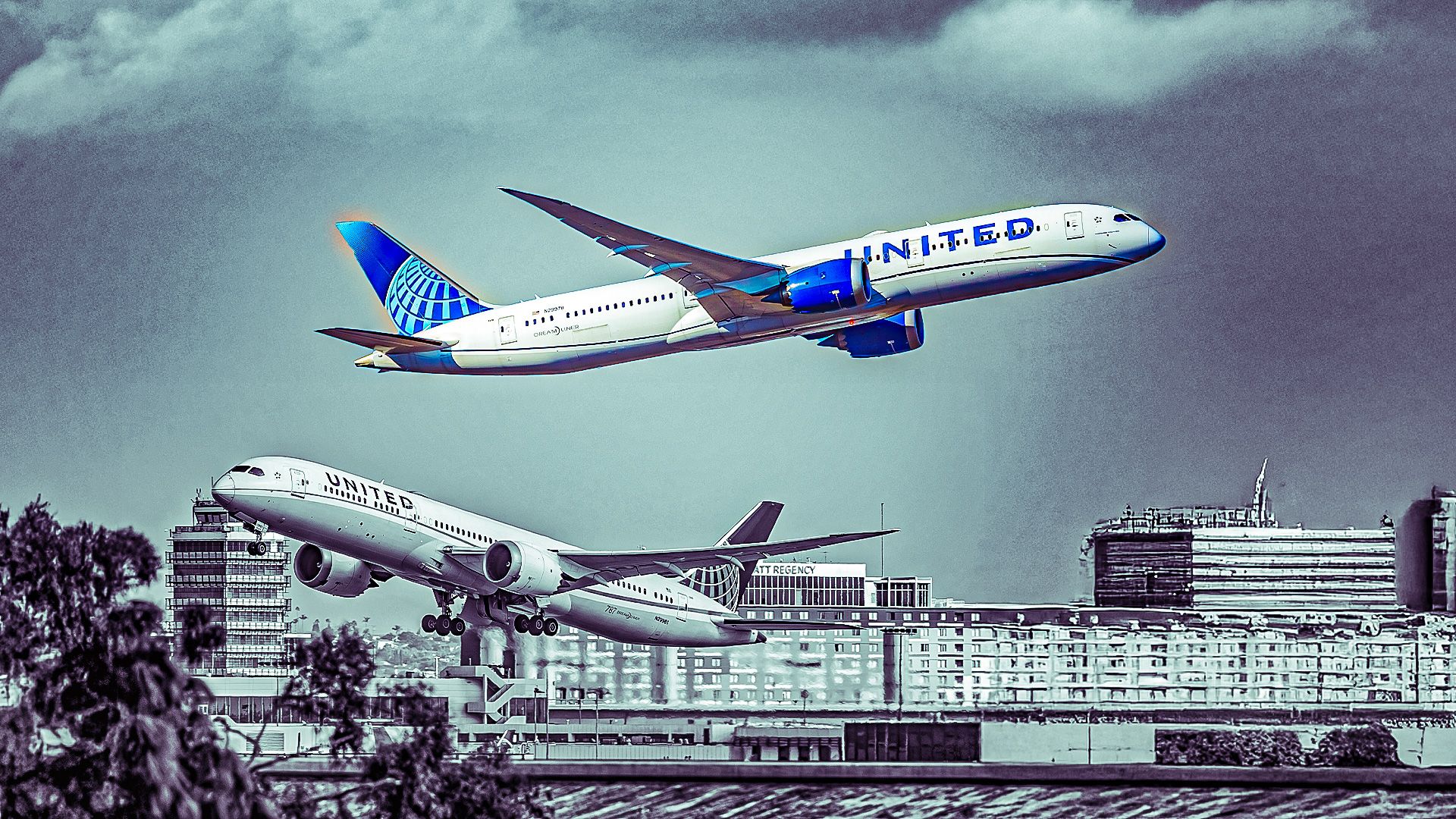
The aviation industry is set to see significant changes in 2026 with the introduction of up to ten new ultra-long-haul nonstop routes. These routes will offer travelers unprecedented flying times, pushing the limits of aircraft efficiency and human endurance. Notably, airlines are capitalizing on advancements in technology, particularly with the latest generation of long-range twinjets.
Qantas plans to commence nonstop flights from Sydney to both London Heathrow and New York JFK using the Airbus A350-1000ULRs. While not yet confirmed, Turkish Airlines has expressed interest in establishing a nonstop link from Istanbul to Auckland with its forthcoming A350-1000s. These developments come alongside a suite of new routes introduced by other airlines.
The Longest Nonstop Flights of 2026
The emphasis on nonstop flights is crucial, as routes that require stops for refueling or crew changes are excluded from this analysis. Notably, Air India‘s prior routes between Bengaluru and San Francisco do not qualify due to their refueling stops.
Several new long-haul routes are scheduled to launch in 2026. For instance, Delta Air Lines will connect Atlanta to Riyadh, while Qantas will link Sydney to Las Vegas. Royal Jordanian will introduce flights to Dallas, and EgyptAir will commence services to Chicago and Los Angeles. However, none of these flights exceed 15 hours and 35 minutes in duration, thus they do not make the list of the longest nonstop flights.
The following is a breakdown of the longest nonstop flights expected to operate from March to December 2026:
– 19h 15m: New York JFK to Singapore (Singapore Airlines, daily A350-900ULR)
– 19h 10m: Newark to Singapore (Singapore Airlines, daily A350-900ULR)
– 18h 10m: New York JFK to Auckland (Air New Zealand, three weekly 787-9; Qantas, five weekly 787-9)
– 17h 55m: Beijing Capital to Mexico City (Hainan Airlines, three weekly to daily 787-9)
– 17h 50m: Perth to London Heathrow (Qantas, daily 787-9)
– 17h 50m: Los Angeles to Singapore (Singapore Airlines, 10 weekly A350-900/A350-900ULR)
– 17h 45m: Dallas/Fort Worth to Melbourne (Qantas, three to four weekly 787-9)
– 17h 40m: San Francisco to Singapore (Singapore Airlines, two daily A350-900/A350-900ULR; United Airlines, two daily 787-9)
– 17h 35m: Houston Intercontinental to Sydney (United, daily 787-9; seasonal)
– 17h 35m: Delhi to New York JFK (Air India, six weekly A350-900; American Airlines, daily 787-9)
This information is based on data from OAG and is subject to change as airlines finalize their schedules.
Airline Performance and Passenger Demand
The introduction of these long-haul routes reflects changing dynamics in international travel. For instance, Air New Zealand launched its Auckland to New York JFK route in 2022, marking its debut service to this major city during the pandemic. In the following year, Qantas initiated fifth freedom operations on its Sydney-Auckland-New York route.
According to the U.S. Department of Transportation, Air New Zealand transported 53,573 round-trip passengers on its Auckland-JFK service in the year leading up to November 2025. The airline’s seat factor was reported at just 63.7%, which may explain its limited frequency of three weekly departures. In contrast, Qantas achieved a more favorable seat factor of 80.0%.
Similarly, United Airlines resumed its Houston to Sydney route in 2018, which is its second-longest nonstop service. Initially, the flights operated year-round but transitioned to a seasonal schedule after a suspension during the pandemic. The load factor for this route was reported at only 69.0%, indicating challenges in meeting passenger demand.
As airlines prepare for these long-distance routes, the focus will remain on optimizing performance and ensuring passenger comfort and satisfaction. With several new destinations entering the market, the landscape of international travel is on the verge of transformation, promising exciting opportunities for travelers around the globe.

Robinhood Stock Surges 2.5% Today Amid Tech Market Recovery

Philadelphia’s Earth Month Kicks Off with Free Events in Parks

GSK’s Inhaler Decision Sparks Health Concerns for Children

Bradford’s Fish Fry Fridays Offer Community Spirit and Flavor

Speculation Rises on Shutdowns During Trump’s Potential Presidency

Samsung Galaxy Watch 9 to Feature Larger Battery, Report Reveals

Inventors Find New Purpose Through Unconventional Paths

UConn Huskies Aim for Back-to-Back Titles in 2026 NCAA Tournament

U.S. Mine Countermeasure Ships Dock in Malaysia for Logistics Stop

University of Hawaiʻi at Mānoa Joins $25.6M AI Initiative for Disaster Monitoring

$2.2 Million Boost for Cancer Research and Training in Hawaiʻi

ALMA Discovers Companion Orbiting Red Giant Star π 1 Gruis

Sacituzumab Govitecan Shows Promise for HR+/HER2− Breast Cancer

币安人生 Sees $15.92 Million in Trading Volume Amid Market Fluctuations

New Gel Offers Hope for Regrowing Tooth Enamel in Dentistry

CAVA Group Shares Surge 5.1% Amid Mixed Analyst Ratings

Christian Bale in Talks to Join Leonardo DiCaprio in Heat 2

Supreme Court to Review Birthright Citizenship for Children of Immigrants
-
Science8 months ago
University of Hawaiʻi at Mānoa Joins $25.6M AI Initiative for Disaster Monitoring
-
 Health7 months ago
$2.2 Million Boost for Cancer Research and Training in Hawaiʻi
-
 Science8 months ago
ALMA Discovers Companion Orbiting Red Giant Star π 1 Gruis
-
 Health7 months ago
Sacituzumab Govitecan Shows Promise for HR+/HER2− Breast Cancer
-
Politics4 months ago
币安人生 Sees $15.92 Million in Trading Volume Amid Market Fluctuations
-
 Health8 months ago
New Gel Offers Hope for Regrowing Tooth Enamel in Dentistry
-
 Business7 months ago
CAVA Group Shares Surge 5.1% Amid Mixed Analyst Ratings
-
 Entertainment8 months ago
Christian Bale in Talks to Join Leonardo DiCaprio in Heat 2
-
 Politics7 months ago
Supreme Court to Review Birthright Citizenship for Children of Immigrants
-

 Lifestyle8 months ago
Art Deco and Traditional Designs Set to Transform Homes in 2026
-

 Lifestyle7 months ago
Fernando Mendoza Secures Maxwell and O’Brien Awards Ahead of Heisman
-

 World8 months ago
Swiss Residents Reject 50% Inheritance Tax on Wealthy