
Science
Scientists Warn Space Launches Could Transform Atmosphere into Crematorium

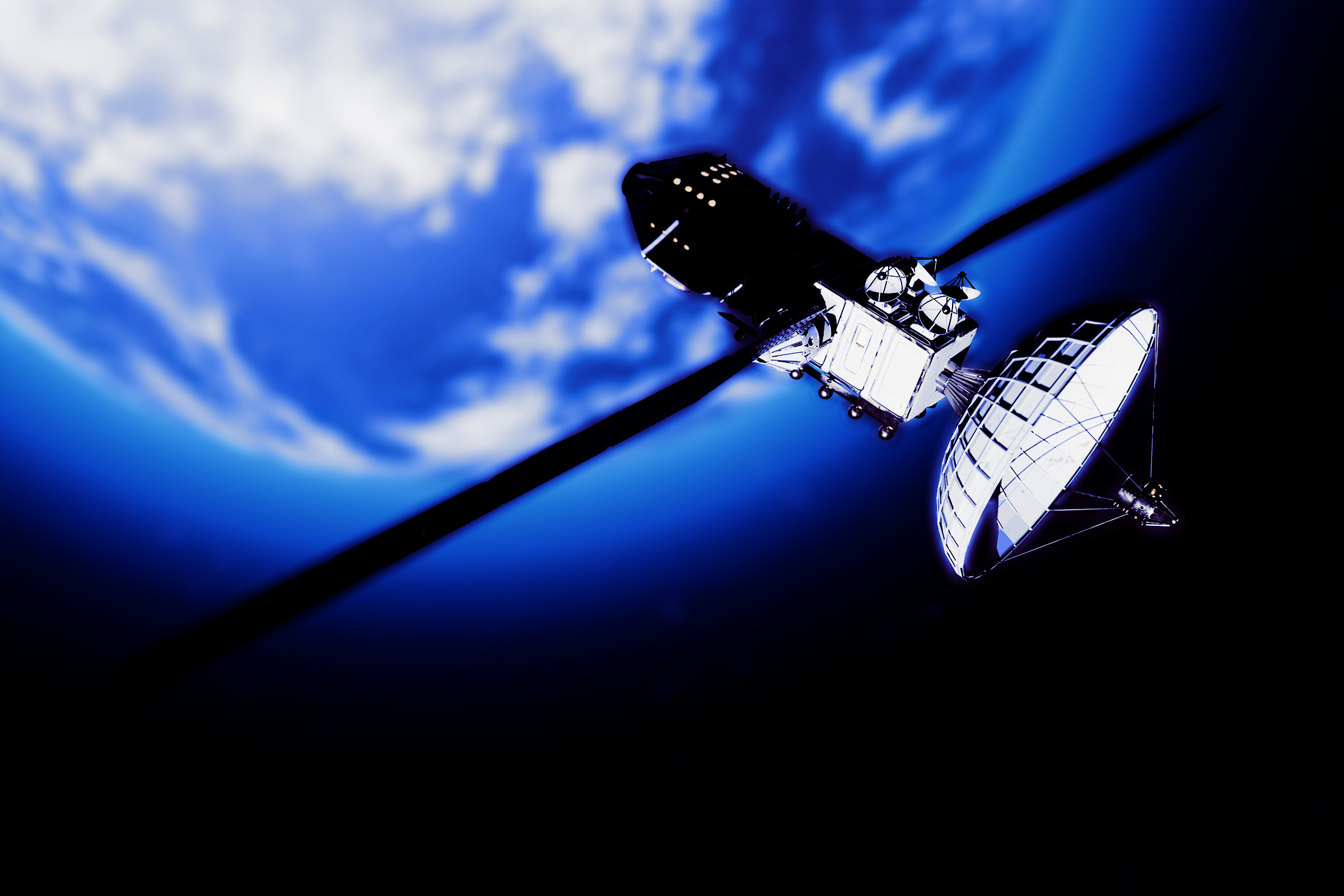
Constant space launches are increasingly transforming Earth’s atmosphere into what some scientists describe as a “crematorium” for satellites and space debris. This alarming assertion emerges from a recent essay published in The Conversation, authored by a group of astronomers and atmospheric scientists. They highlight the dire implications of deploying tens of thousands of expendable satellites into orbit, a trend that risks significant environmental consequences.
These experts argue that satellites have become emblematic of a disposable culture. Companies like Elon Musk‘s SpaceX design their satellites to operate for only a few years before they are intended to self-destruct upon re-entry, burning up in the atmosphere. While this method appears efficient in theory, the scientists warn it may actually release harmful particulates into the atmosphere.
A study cited by the authors indicates that as satellites re-enter the atmosphere, they emit metals such as copper, lead, and aluminum particles known as alumina. Furthermore, the rockets responsible for delivering these satellites into orbit are also implicated. A recent paper has linked the re-entry of the upper stage of a SpaceX Falcon 9 rocket to the release of toxic lithium into the atmosphere.
The potential long-term effects of this increasing metal pollution could be catastrophic. One particularly concerning study suggests that the accumulation of metal particles might initiate a chain reaction capable of devastating the ozone layer. The authors caution, “This is just a fraction of what is to come if planned megaconstellations go ahead — and SpaceX is far from the only player.”
Currently, there are approximately 15,000 active satellites orbiting Earth, with SpaceX alone operating over 9,000. Last month, the company applied to the U.S. Federal Communications Commission to launch as many as one million additional satellites. This ambitious expansion aims to support Musk’s vision of establishing AI data centers in space. Other satellite operators have similarly requested a combined total of one million satellites, showcasing the rapid growth of the space industry.
If these plans materialize, the scientists estimate that a million satellites could contribute up to one billion kilograms of alumina to the atmosphere. They warn that this volume, alongside emissions from rocket launches, could significantly alter atmospheric chemistry and heating in ways that are not yet fully understood.
The issue of space debris does not only pertain to the environment; it poses risks to the space industry itself. Experts warn that collisions between space debris could spiral out of control, leading to a scenario known as Kessler syndrome. This catastrophic chain reaction would create a hazardous environment in low Earth orbit, hindering future space exploration for years or even decades.
Moreover, falling debris has become a growing concern for those on the ground. The Federal Aviation Administration has indicated that by 2035, approximately 28,000 fragments from Starlink satellites could survive re-entry each year. This raises the alarming prospect that the likelihood of someone being injured or killed by falling space debris could reach 61 percent annually.
The proliferation of satellite constellations could also obscure astronomical observations. The scientists emphasize that this would hinder crucial scientific efforts such as studying dying stars and locating new planets. Additionally, endeavors like stargazing and cultural astronomy could face disruptions worldwide.
Given the potential risks associated with the increasing number of satellite launches, the authors advocate for the establishment of global regulatory frameworks. They suggest that such regulations should define a “safe atmospheric carrying capacity” for satellite launches and re-entries while promoting research to understand the full atmospheric effects of spacecraft.
As the space industry continues to expand, the need for responsible management of Earth’s atmosphere and orbit becomes more pressing. The implications of unchecked satellite launches could reshape both our environment and our ability to explore the cosmos.

Robinhood Stock Surges 2.5% Today Amid Tech Market Recovery

Philadelphia’s Earth Month Kicks Off with Free Events in Parks

GSK’s Inhaler Decision Sparks Health Concerns for Children

Bradford’s Fish Fry Fridays Offer Community Spirit and Flavor

Speculation Rises on Shutdowns During Trump’s Potential Presidency

Samsung Galaxy Watch 9 to Feature Larger Battery, Report Reveals

Inventors Find New Purpose Through Unconventional Paths

UConn Huskies Aim for Back-to-Back Titles in 2026 NCAA Tournament

U.S. Mine Countermeasure Ships Dock in Malaysia for Logistics Stop

University of Hawaiʻi at Mānoa Joins $25.6M AI Initiative for Disaster Monitoring

$2.2 Million Boost for Cancer Research and Training in Hawaiʻi

ALMA Discovers Companion Orbiting Red Giant Star π 1 Gruis

Sacituzumab Govitecan Shows Promise for HR+/HER2− Breast Cancer

币安人生 Sees $15.92 Million in Trading Volume Amid Market Fluctuations

New Gel Offers Hope for Regrowing Tooth Enamel in Dentistry

CAVA Group Shares Surge 5.1% Amid Mixed Analyst Ratings

Christian Bale in Talks to Join Leonardo DiCaprio in Heat 2

Supreme Court to Review Birthright Citizenship for Children of Immigrants
-
Science8 months ago
University of Hawaiʻi at Mānoa Joins $25.6M AI Initiative for Disaster Monitoring
-
 Health7 months ago
$2.2 Million Boost for Cancer Research and Training in Hawaiʻi
-
 Science8 months ago
ALMA Discovers Companion Orbiting Red Giant Star π 1 Gruis
-
 Health7 months ago
Sacituzumab Govitecan Shows Promise for HR+/HER2− Breast Cancer
-
Politics4 months ago
币安人生 Sees $15.92 Million in Trading Volume Amid Market Fluctuations
-
 Health8 months ago
New Gel Offers Hope for Regrowing Tooth Enamel in Dentistry
-
 Business7 months ago
CAVA Group Shares Surge 5.1% Amid Mixed Analyst Ratings
-
 Entertainment8 months ago
Christian Bale in Talks to Join Leonardo DiCaprio in Heat 2
-
 Politics7 months ago
Supreme Court to Review Birthright Citizenship for Children of Immigrants
-

 Lifestyle8 months ago
Art Deco and Traditional Designs Set to Transform Homes in 2026
-

 Lifestyle7 months ago
Fernando Mendoza Secures Maxwell and O’Brien Awards Ahead of Heisman
-

 World8 months ago
Swiss Residents Reject 50% Inheritance Tax on Wealthy