
Science
UConn Faces $95 Million Loss in Federal Research Funding

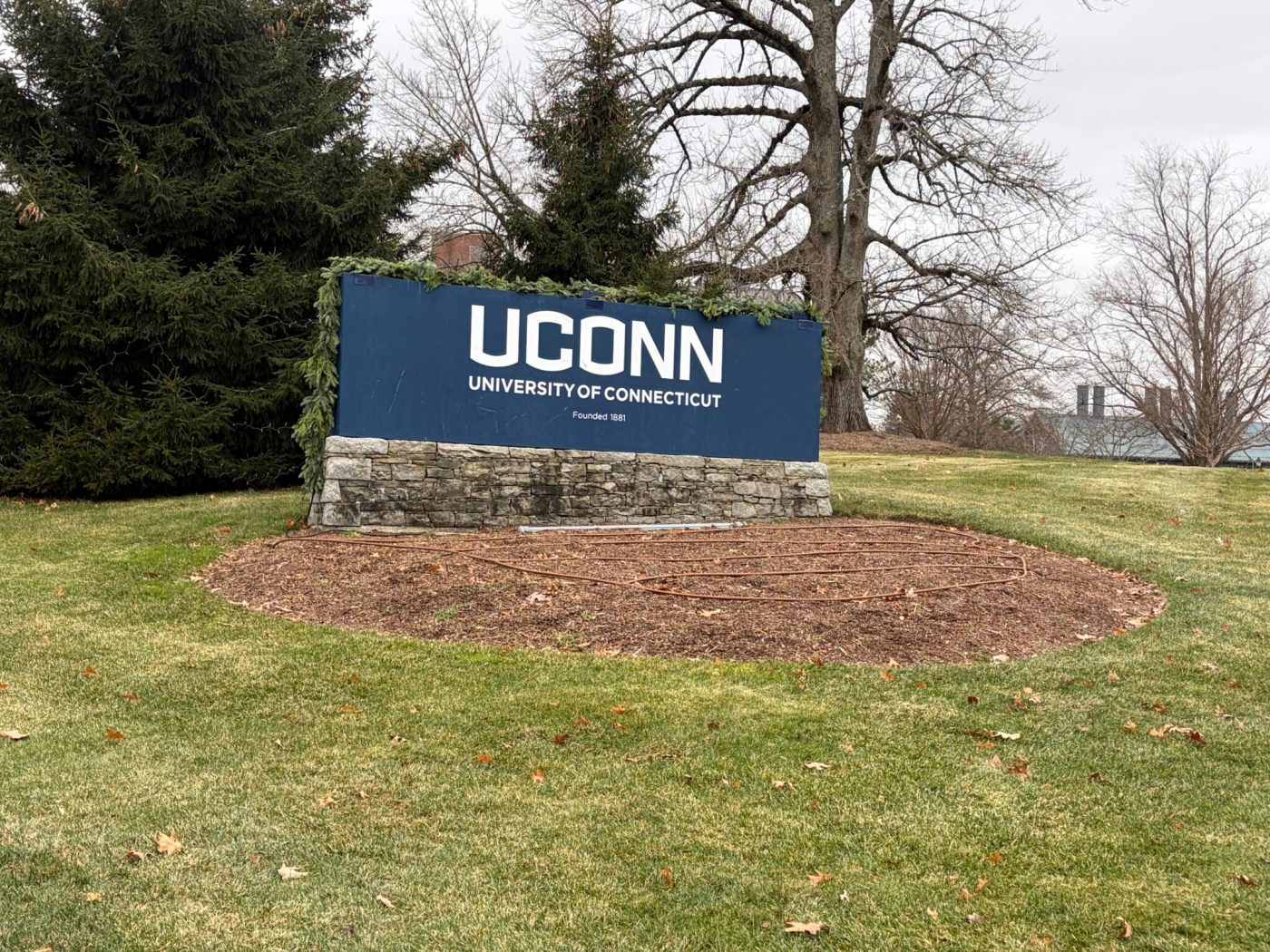
The University of Connecticut (UConn) is grappling with a significant reduction in federal research funding, totaling nearly $95 million over the past year. This funding crisis has directly impacted faculty, staff, and graduate assistants whose work relies on federal support. The cuts stem from a series of decisions made by the Trump administration, which has canceled previously approved grants and significantly reduced funding across various academic institutions.
Professor Jennifer McGarry, who has dedicated over 20 years to leading a federally funded program aimed at providing nutrition and physical activity support to low-income families in the Greater Hartford area, received devastating news in late September. An email from the federal government confirmed the termination of her nearly $2 million grant from the Department of Agriculture, part of a broader statewide grant effort worth $5 million.
“This is pretty heavy to think about,” McGarry reflected. “There are all the people that would have been helped, supported, kept alive, if that work continued.”
UConn has lost $41 million due to terminated research grants and unexpected non-renewals, according to Lindsay DiStefano, interim vice president of research. New research awards decreased by $54 million in fiscal year 2025 compared to the previous fiscal year. DiStefano emphasized the critical role of UConn’s research in addressing important issues at local, national, and global levels.
The cuts have had a cascading effect on the university’s workforce, affecting over 1,700 individuals whose salaries are partially funded by federal grants, as noted in a memo from UConn’s Interim Vice President for Finance, Reka Wrynn.
In a stark example, political science professor Jeffrey Dudas saw his $135,000 grant from the National Endowment for the Humanities abruptly canceled after its first year. This project focused on the representation of artificial intelligence in popular culture and was critical for the department.
“We received a one-sentence notice saying that the grant had been canceled, and there was no explanation given,” Dudas stated. More than 1,400 endowment grants valued at $427 million have been terminated nationwide as of early April 2025, according to a database compiled by the Association for Computers and Humanities.
Impact on UConn and Broader Academic Landscape
The cuts have not only affected individual projects but also the broader funding landscape for academic research. Professor Nathan Alder, who specializes in chronic diseases, noted that the competition for federal grants has intensified. He reported that while historically, about one in ten proposals received funding, the current success rate has plummeted to about one in fifty.
In a compelling statement, Alder remarked, “We’re really seeing an intellectual drain in this country.” He expressed concerns over the future job prospects for graduate students due to increased competition and reduced opportunities in academia.
The National Institutes of Health (NIH) has also faced significant cuts, terminating 2,100 research grants valued at $9.5 billion during the first six months of the Trump administration’s second term. In addition, the National Science Foundation (NSF) terminated over 1,600 active grants, amounting to roughly $1.5 billion, further exacerbating the funding crisis.
UConn has attempted to mitigate the impact of these cuts through the creation of an Emergency Research Grant Expenditure Fund, established in spring 2025 to provide short-term support to researchers whose grants were terminated. As of October 20, 2025, the fund has allocated $1.6 million across twelve awards, with a focus on preventing layoffs and supporting graduate students.
UConn’s Response and Future Outlook
Despite the challenges, UConn officials are striving to maintain open lines of communication with faculty and to explore alternative funding sources. DiStefano has initiated weekly meetings with research teams and created ad hoc task forces to streamline information sharing and provide guidance in navigating the funding landscape.
McGarry, while grateful for the emergency funding to sustain her research temporarily, acknowledged the ongoing challenges of balancing teaching and research responsibilities. “There are not enough hours in the day,” she lamented.
As the university navigates these turbulent waters, the broader implications of federal funding cuts could resonate throughout the academic community for years to come. The future of UConn’s research capabilities and the well-being of its academic staff remain uncertain amid these funding challenges.

Robinhood Stock Surges 2.5% Today Amid Tech Market Recovery

Philadelphia’s Earth Month Kicks Off with Free Events in Parks

GSK’s Inhaler Decision Sparks Health Concerns for Children

Bradford’s Fish Fry Fridays Offer Community Spirit and Flavor

Speculation Rises on Shutdowns During Trump’s Potential Presidency

Samsung Galaxy Watch 9 to Feature Larger Battery, Report Reveals

Inventors Find New Purpose Through Unconventional Paths

UConn Huskies Aim for Back-to-Back Titles in 2026 NCAA Tournament

U.S. Mine Countermeasure Ships Dock in Malaysia for Logistics Stop

University of Hawaiʻi at Mānoa Joins $25.6M AI Initiative for Disaster Monitoring

$2.2 Million Boost for Cancer Research and Training in Hawaiʻi

ALMA Discovers Companion Orbiting Red Giant Star π 1 Gruis

Sacituzumab Govitecan Shows Promise for HR+/HER2− Breast Cancer

币安人生 Sees $15.92 Million in Trading Volume Amid Market Fluctuations

New Gel Offers Hope for Regrowing Tooth Enamel in Dentistry

CAVA Group Shares Surge 5.1% Amid Mixed Analyst Ratings

Christian Bale in Talks to Join Leonardo DiCaprio in Heat 2

Supreme Court to Review Birthright Citizenship for Children of Immigrants
-
Science8 months ago
University of Hawaiʻi at Mānoa Joins $25.6M AI Initiative for Disaster Monitoring
-
 Health7 months ago
$2.2 Million Boost for Cancer Research and Training in Hawaiʻi
-
 Science8 months ago
ALMA Discovers Companion Orbiting Red Giant Star π 1 Gruis
-
 Health7 months ago
Sacituzumab Govitecan Shows Promise for HR+/HER2− Breast Cancer
-
Politics4 months ago
币安人生 Sees $15.92 Million in Trading Volume Amid Market Fluctuations
-
 Health8 months ago
New Gel Offers Hope for Regrowing Tooth Enamel in Dentistry
-
 Business7 months ago
CAVA Group Shares Surge 5.1% Amid Mixed Analyst Ratings
-
 Entertainment8 months ago
Christian Bale in Talks to Join Leonardo DiCaprio in Heat 2
-
 Politics7 months ago
Supreme Court to Review Birthright Citizenship for Children of Immigrants
-

 Lifestyle8 months ago
Art Deco and Traditional Designs Set to Transform Homes in 2026
-

 Lifestyle7 months ago
Fernando Mendoza Secures Maxwell and O’Brien Awards Ahead of Heisman
-

 World7 months ago
Swiss Residents Reject 50% Inheritance Tax on Wealthy