
World
U.S.-Israeli Strikes on Iran Claim Ayatollah Khamenei’s Life

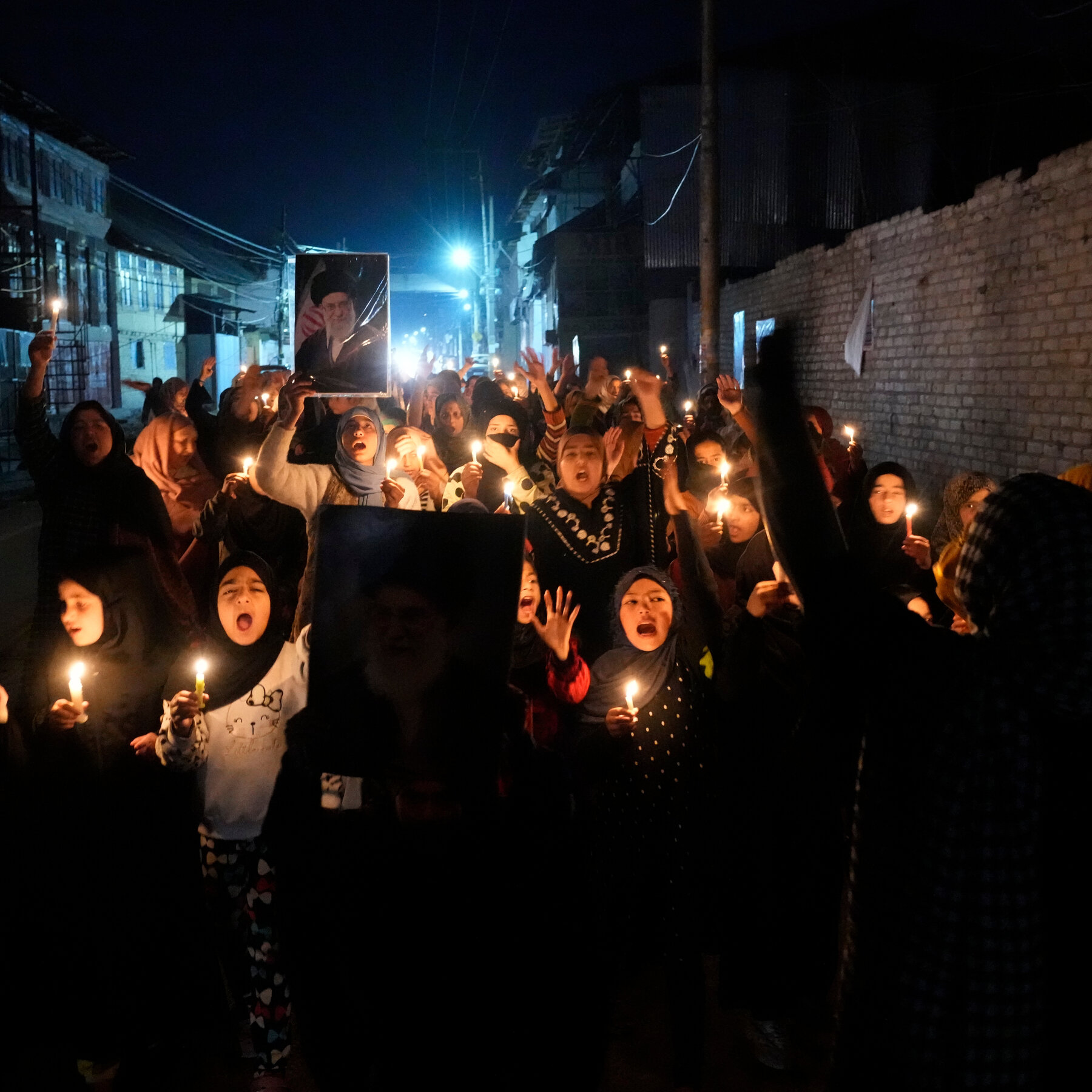
The recent death of Ayatollah Ali Khamenei, leader of Iran’s Islamic Revolution, has ignited widespread anger and grief among Shiite Muslims in South Asia. Khamenei was killed during coordinated strikes by the United States and Israel on Iranian targets, an event that has left millions mourning his loss.
Khamenei, who had held significant influence over Iran’s religious and political landscape, was particularly revered among the Shiite communities in Pakistan and India. His death on October 5, 2023, has led to numerous protests and vigils across both countries, highlighting the deep emotional connection many Shiite Muslims felt toward their spiritual leader.
In Pakistan, cities such as Karachi and Lahore witnessed large gatherings where mourners expressed their sorrow and anger. Many participants in these demonstrations carried placards denouncing the U.S. and Israeli actions, viewing Khamenei’s assassination as an attack not only on Iran but also on the global Shiite community.
The impact of Khamenei’s death extends beyond immediate emotional reactions. Analysts are concerned that this event could escalate tensions in the region, further complicating the already strained relations between Iran and its adversaries. The Shiite population, estimated at over 200 million globally, has historically faced persecution, and Khamenei’s leadership was seen as a protective figure against these challenges.
In India, where the Shiite population is smaller but still significant, communities held memorial services to honor Khamenei’s legacy. Many attendees emphasized his role in advocating for Shiite rights and his influence in shaping the dialogue around Shiite identity in a predominantly Sunni nation.
“Khamenei was more than a leader; he was a symbol of our struggle and resilience,”
said Ali Raza, a prominent Shiite activist in New Delhi. His words reflect a shared sentiment among many who see the Ayatollah’s leadership as a beacon of hope in a challenging political landscape.
The international community has reacted with a mixture of concern and condemnation. Some governments have called for restraint and dialogue, urging all parties to avoid escalating violence. The United Nations has expressed its commitment to monitoring the situation, emphasizing the need for peace and stability in the region.
As the consequences of Khamenei’s assassination unfold, the Shiite community in South Asia continues to grapple with the loss of a leader who played a crucial role in shaping their identity and political aspirations. The coming weeks will likely reveal how this event will influence regional dynamics and the ongoing discourse surrounding Shiite rights and representation in the broader Islamic world.

Robinhood Stock Surges 2.5% Today Amid Tech Market Recovery

Philadelphia’s Earth Month Kicks Off with Free Events in Parks

GSK’s Inhaler Decision Sparks Health Concerns for Children

Bradford’s Fish Fry Fridays Offer Community Spirit and Flavor

Speculation Rises on Shutdowns During Trump’s Potential Presidency

Samsung Galaxy Watch 9 to Feature Larger Battery, Report Reveals

Inventors Find New Purpose Through Unconventional Paths

UConn Huskies Aim for Back-to-Back Titles in 2026 NCAA Tournament

U.S. Mine Countermeasure Ships Dock in Malaysia for Logistics Stop

University of Hawaiʻi at Mānoa Joins $25.6M AI Initiative for Disaster Monitoring

$2.2 Million Boost for Cancer Research and Training in Hawaiʻi

ALMA Discovers Companion Orbiting Red Giant Star π 1 Gruis

Sacituzumab Govitecan Shows Promise for HR+/HER2− Breast Cancer

币安人生 Sees $15.92 Million in Trading Volume Amid Market Fluctuations

New Gel Offers Hope for Regrowing Tooth Enamel in Dentistry

CAVA Group Shares Surge 5.1% Amid Mixed Analyst Ratings

Christian Bale in Talks to Join Leonardo DiCaprio in Heat 2

Supreme Court to Review Birthright Citizenship for Children of Immigrants
-
Science8 months ago
University of Hawaiʻi at Mānoa Joins $25.6M AI Initiative for Disaster Monitoring
-
 Health7 months ago
$2.2 Million Boost for Cancer Research and Training in Hawaiʻi
-
 Science8 months ago
ALMA Discovers Companion Orbiting Red Giant Star π 1 Gruis
-
 Health7 months ago
Sacituzumab Govitecan Shows Promise for HR+/HER2− Breast Cancer
-
Politics4 months ago
币安人生 Sees $15.92 Million in Trading Volume Amid Market Fluctuations
-
 Health8 months ago
New Gel Offers Hope for Regrowing Tooth Enamel in Dentistry
-
 Business7 months ago
CAVA Group Shares Surge 5.1% Amid Mixed Analyst Ratings
-
 Entertainment8 months ago
Christian Bale in Talks to Join Leonardo DiCaprio in Heat 2
-
 Politics7 months ago
Supreme Court to Review Birthright Citizenship for Children of Immigrants
-

 Lifestyle7 months ago
Fernando Mendoza Secures Maxwell and O’Brien Awards Ahead of Heisman
-

 Lifestyle8 months ago
Art Deco and Traditional Designs Set to Transform Homes in 2026
-

 World7 months ago
Swiss Residents Reject 50% Inheritance Tax on Wealthy