
Health
Hawaii Faces Urgent Need for Geriatric Care Specialists

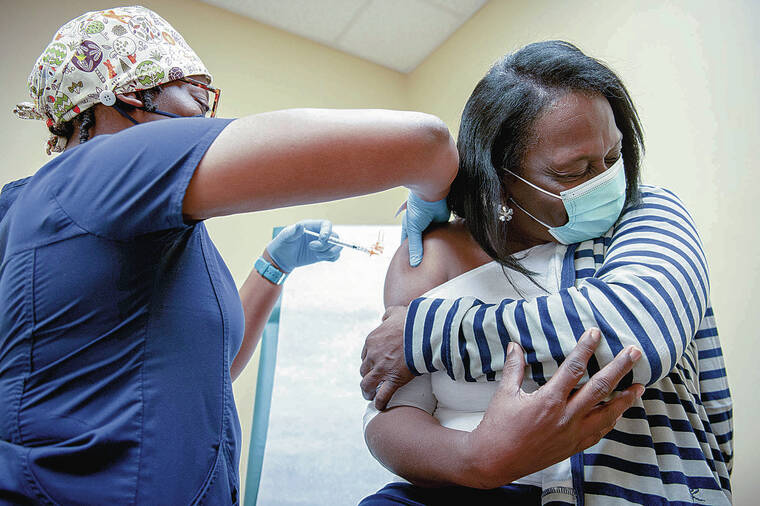
Hawaii is witnessing a significant gap between its growing senior population and the availability of medical professionals specializing in geriatric care. The state boasts the highest life expectancy in the United States, but this achievement is overshadowed by a concerning shortage of physicians equipped to provide essential services for its aging residents. The need for more geriatric specialists is pressing, as healthcare practices struggle with tight budgets and fail to recruit adequate numbers of these professionals.
A significant portion of geriatric specialists in Hawaii also serve as primary care physicians (PCPs), contributing to another critical issue: the state is experiencing one of the most severe shortages of PCPs in the country. This situation is particularly alarming in rural areas, where access to healthcare is already limited. Many primary care providers express concern that the current physician deficit, compounded by restrictions imposed by insurance providers, threatens the quality of care available to patients.
Kamal Masaki, chair of the geriatric medicine department at the University of Hawaii’s John A. Burns School of Medicine, emphasized the need for healthcare systems employing geriatricians to recognize that these positions may not yield significant financial returns. As long as healthcare remains tied to a fragmented insurance system, with a focus on cost control and profit margins, attracting specialists to geriatric care will remain a formidable challenge.
Hawaii has a unique opportunity to enhance geriatric care through two federal programs initiated by the current administration: the Rural Health Transformation Program (RHTP) and the Achieving Healthcare Efficiency through Accountable Design (AHEAD). These programs aim to improve primary and rural healthcare delivery, offering incentives for participation while demanding substantial commitment from the state, healthcare providers, and both public and private insurers.
In January 2023, Gov. Josh Green announced an allocation of $189 million to implement the RHTP, which he stated would enhance “access to quality primary care, behavioral health services, emergency response, and modern technology.” Part of this funding will support rural providers in adopting innovative, value-based care models, incentivized by the AHEAD program, which aims to prioritize consistent patient care while stabilizing costs.
Insurance coverage trends currently favor compensation models that reward healthcare providers based on the number of patients treated rather than the specific services rendered. This shift often leads to capped services. Traditional Medicare remains less affected by these controls but is facing rapidly escalating costs. Geriatric specialists and hospitals frequently care for patients with complex needs that require longer consultations and comprehensive services, making the current insurance models ill-suited for geriatric care.
To meet the challenges posed by the RHTP and AHEAD, Hawaii must explore alternative cost-cutting measures. Strategies could include utilizing telehealth for routine consultations, a method supported by Governor Green, reducing prior authorizations and paperwork, and improving continuity of care to minimize unnecessary hospitalizations.
Geriatrics is one of the lowest-paid specialties nationally, which makes practicing in Hawaii particularly challenging given the state’s high cost of living. There is an urgent need for improved reimbursement rates for geriatric specialists and primary care physicians. Federal incentives will be crucial in achieving this goal and ensuring the success of Hawaii’s healthcare transformation.
Additionally, a state initiative aims to train healthcare providers who serve seniors in various fields, including nursing, pharmacy, social work, and public health. This initiative aligns with the federal programs and is designed to enhance accessibility to care for the aging population. The Pacific Islands Geriatric Workforce Enhancement Program collaborates with over 50 organizations, including the Alzheimer’s Association and AARP clinics, to promote age-friendly health systems and support rural clinics and community health centers.
As Hawaii approaches the impending demographic shift known as the “silver tsunami,” it is imperative that the state prepares adequately to meet the healthcare needs of its aging population. The path to a robust geriatric care system requires not only additional specialists but also systemic changes that prioritize quality care for seniors across the islands.

Robinhood Stock Surges 2.5% Today Amid Tech Market Recovery

Philadelphia’s Earth Month Kicks Off with Free Events in Parks

GSK’s Inhaler Decision Sparks Health Concerns for Children

Bradford’s Fish Fry Fridays Offer Community Spirit and Flavor

Speculation Rises on Shutdowns During Trump’s Potential Presidency

Samsung Galaxy Watch 9 to Feature Larger Battery, Report Reveals

Inventors Find New Purpose Through Unconventional Paths

UConn Huskies Aim for Back-to-Back Titles in 2026 NCAA Tournament

U.S. Mine Countermeasure Ships Dock in Malaysia for Logistics Stop

University of Hawaiʻi at Mānoa Joins $25.6M AI Initiative for Disaster Monitoring

$2.2 Million Boost for Cancer Research and Training in Hawaiʻi

ALMA Discovers Companion Orbiting Red Giant Star π 1 Gruis

Sacituzumab Govitecan Shows Promise for HR+/HER2− Breast Cancer

币安人生 Sees $15.92 Million in Trading Volume Amid Market Fluctuations

New Gel Offers Hope for Regrowing Tooth Enamel in Dentistry

CAVA Group Shares Surge 5.1% Amid Mixed Analyst Ratings

Christian Bale in Talks to Join Leonardo DiCaprio in Heat 2

Supreme Court to Review Birthright Citizenship for Children of Immigrants
-
Science8 months ago
University of Hawaiʻi at Mānoa Joins $25.6M AI Initiative for Disaster Monitoring
-
 Health7 months ago
$2.2 Million Boost for Cancer Research and Training in Hawaiʻi
-
 Science8 months ago
ALMA Discovers Companion Orbiting Red Giant Star π 1 Gruis
-
 Health7 months ago
Sacituzumab Govitecan Shows Promise for HR+/HER2− Breast Cancer
-
Politics4 months ago
币安人生 Sees $15.92 Million in Trading Volume Amid Market Fluctuations
-
 Health8 months ago
New Gel Offers Hope for Regrowing Tooth Enamel in Dentistry
-
 Business7 months ago
CAVA Group Shares Surge 5.1% Amid Mixed Analyst Ratings
-
 Entertainment8 months ago
Christian Bale in Talks to Join Leonardo DiCaprio in Heat 2
-
 Politics7 months ago
Supreme Court to Review Birthright Citizenship for Children of Immigrants
-

 Lifestyle7 months ago
Fernando Mendoza Secures Maxwell and O’Brien Awards Ahead of Heisman
-

 Lifestyle8 months ago
Art Deco and Traditional Designs Set to Transform Homes in 2026
-

 World7 months ago
Swiss Residents Reject 50% Inheritance Tax on Wealthy