
Entertainment
Ranking the 5 Most Disappointing Dungeons & Dragons Video Games

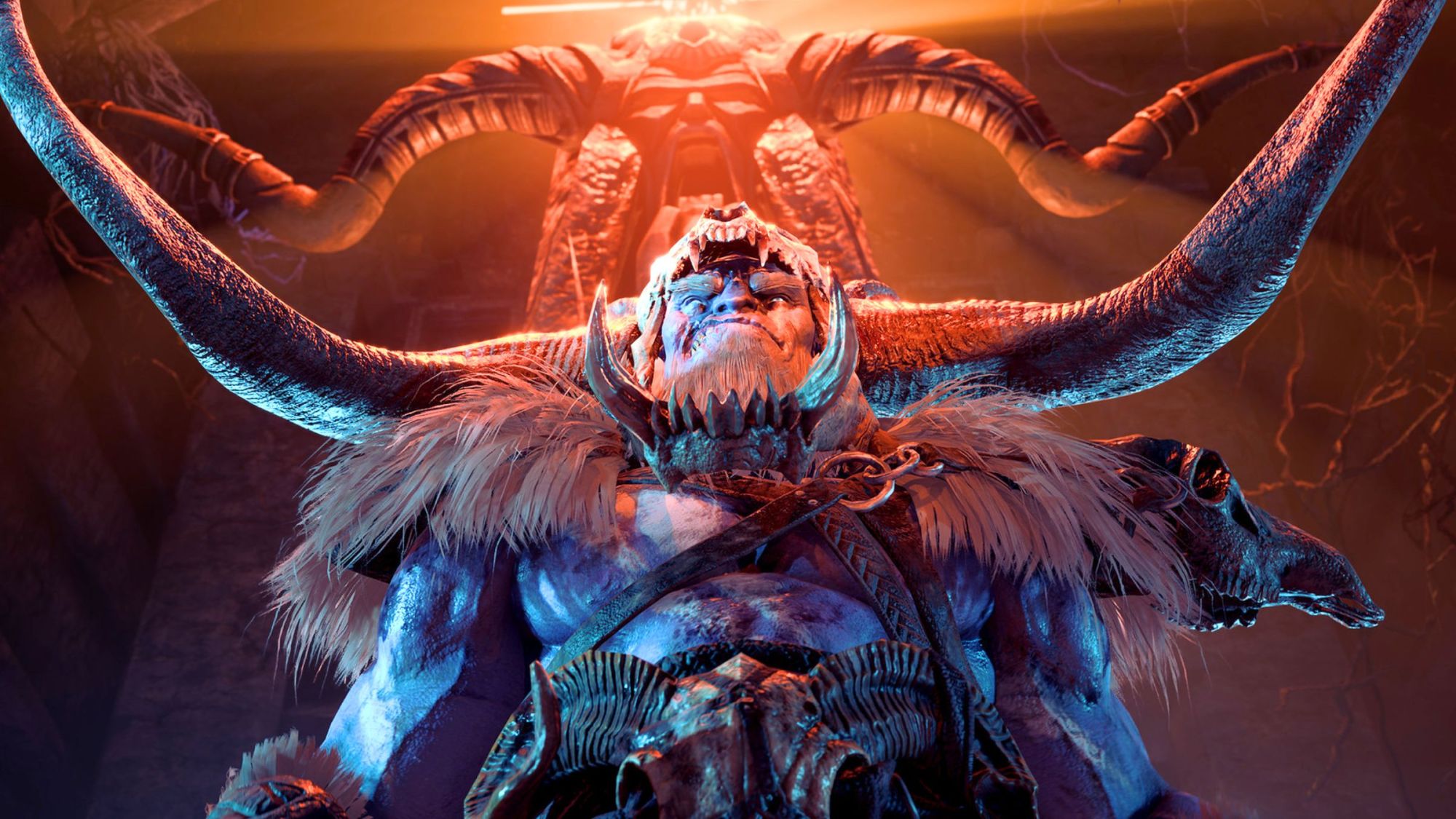
The legacy of Dungeons & Dragons (D&D) spans decades, with numerous video game adaptations capturing the imaginations of players. While titles like Baldur’s Gate 3 have received widespread acclaim, not every game bearing the D&D name has been successful. Over the years, a number of games have struggled to meet fan expectations, leading to a mixed reputation for the franchise in the gaming world. Below is a look at five of the most disappointing D&D video games ever released.
5. Iron & Blood: Warriors of Ravenloft
Released in 1996, Iron & Blood: Warriors of Ravenloft aimed to blend the beloved Ravenloft setting with 3D fighting mechanics. Despite avoiding a negative score on review aggregator Metacritic, it quickly became known as one of the worst D&D games. Players criticized its poor controls, lackluster voice acting, and confusing camera angles. Unlike the immersive role-playing experiences typically associated with D&D, this title leaned heavily into brawler gameplay, reminiscent of Street Fighter, which did not resonate well with audiences.
4. Dungeons & Dragons Tactics
In 2007, Dungeons & Dragons Tactics attempted to capture the tactical RPG genre on the PSP, drawing from the D&D 3.5 Edition ruleset. While it allowed players to create their own characters, many felt the game was too rigid, adhering too closely to the rules. The game was criticized for its cumbersome user interface and poorly executed camera angles, resulting in a Metascore of 58. Although it received a mixed user rating of 6.6 on Metacritic, it failed to make a lasting impression in the gaming community.
3. Dungeons & Dragons: Eye of the Beholder
The 2002 release of Eye of the Beholder for the Game Boy Advance sought to deliver a classic dungeon-crawling experience. Set in Waterdeep, the game was limited in scope, featuring only four class options from the D&D universe. Critics noted its average graphics and convoluted gameplay, which hindered accessibility for new players. With a Metascore of 57 and a user rating of 7.6, the game struggled to find a broad audience despite some nostalgic appeal among fans.
2. Dungeons & Dragons: Dark Alliance
Borrowing part of its title from the highly regarded Baldur’s Gate: Dark Alliance, the 2021 release of Dark Alliance fell short of expectations. Intended as a co-op party RPG, the game suffered from lackluster combat mechanics, technical issues at launch, and a limited selection of playable characters. Critics rated it 53 on Metacritic, while fans scored it even lower at 3.1. The game’s online services were ultimately shut down in 2025, reflecting its poor commercial performance and diminishing player base.
1. Dungeons & Dragons: Daggerdale
Topping the list is Dungeons & Dragons: Daggerdale, released in 2011 for PC, PlayStation 3, and Xbox 360. This title holds the dubious distinction of having the lowest Metascore among official D&D games, with a dismal score of 46 on Xbox 360. Aimed at delivering hack-and-slash action in a co-op format, it failed to engage players, suffering from a lack of class options, uninspiring storytelling, and numerous bugs. While some players appreciated the co-op features, the game received a Mostly Negative rating on Steam, indicating widespread dissatisfaction.
The exploration of these poorly received titles highlights the challenges faced by developers in translating the rich lore and complex mechanics of Dungeons & Dragons into engaging video games. As the franchise continues to evolve, fans remain hopeful that future adaptations will better capture the essence of the TTRPG experience.

Robinhood Stock Surges 2.5% Today Amid Tech Market Recovery

Philadelphia’s Earth Month Kicks Off with Free Events in Parks

GSK’s Inhaler Decision Sparks Health Concerns for Children

Bradford’s Fish Fry Fridays Offer Community Spirit and Flavor

Speculation Rises on Shutdowns During Trump’s Potential Presidency

Samsung Galaxy Watch 9 to Feature Larger Battery, Report Reveals

Inventors Find New Purpose Through Unconventional Paths

UConn Huskies Aim for Back-to-Back Titles in 2026 NCAA Tournament

U.S. Mine Countermeasure Ships Dock in Malaysia for Logistics Stop

University of Hawaiʻi at Mānoa Joins $25.6M AI Initiative for Disaster Monitoring

$2.2 Million Boost for Cancer Research and Training in Hawaiʻi

ALMA Discovers Companion Orbiting Red Giant Star π 1 Gruis

Sacituzumab Govitecan Shows Promise for HR+/HER2− Breast Cancer

币安人生 Sees $15.92 Million in Trading Volume Amid Market Fluctuations

New Gel Offers Hope for Regrowing Tooth Enamel in Dentistry

CAVA Group Shares Surge 5.1% Amid Mixed Analyst Ratings

Christian Bale in Talks to Join Leonardo DiCaprio in Heat 2

Supreme Court to Review Birthright Citizenship for Children of Immigrants
-
Science9 months ago
University of Hawaiʻi at Mānoa Joins $25.6M AI Initiative for Disaster Monitoring
-
 Health7 months ago
$2.2 Million Boost for Cancer Research and Training in Hawaiʻi
-
 Science8 months ago
ALMA Discovers Companion Orbiting Red Giant Star π 1 Gruis
-
 Health7 months ago
Sacituzumab Govitecan Shows Promise for HR+/HER2− Breast Cancer
-
Politics5 months ago
币安人生 Sees $15.92 Million in Trading Volume Amid Market Fluctuations
-
 Health9 months ago
New Gel Offers Hope for Regrowing Tooth Enamel in Dentistry
-
 Business7 months ago
CAVA Group Shares Surge 5.1% Amid Mixed Analyst Ratings
-
 Entertainment8 months ago
Christian Bale in Talks to Join Leonardo DiCaprio in Heat 2
-
 Politics7 months ago
Supreme Court to Review Birthright Citizenship for Children of Immigrants
-

 Lifestyle8 months ago
Art Deco and Traditional Designs Set to Transform Homes in 2026
-

 Lifestyle7 months ago
Fernando Mendoza Secures Maxwell and O’Brien Awards Ahead of Heisman
-

 World8 months ago
Swiss Residents Reject 50% Inheritance Tax on Wealthy