
Health
Insufficient Sleep Linked to Shorter Lifespan, Study Reveals

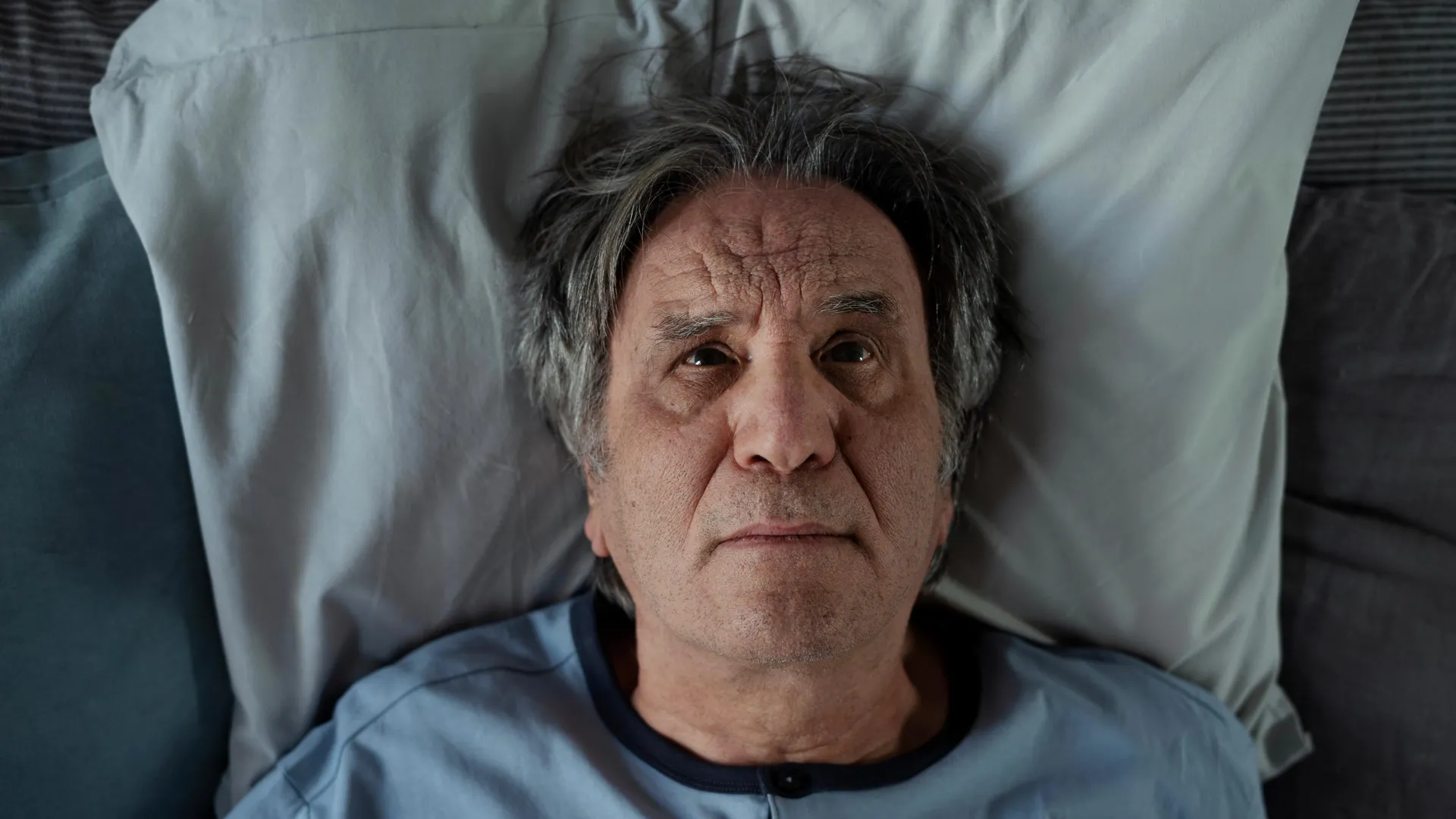
Research from Oregon Health & Science University indicates that consistently getting less than seven hours of sleep each night may significantly reduce life expectancy. This study, published in the journal SLEEP Advances, highlights sleep as a critical factor in longevity, more so than diet, exercise, or social interactions.
To reach these conclusions, researchers analyzed a vast national database, examining life expectancy data across various counties in the United States. They compared these figures with comprehensive survey data collected by the Centers for Disease Control and Prevention from 2019 to 2025. The findings consistently showed that insufficient sleep is more closely tied to shorter lifespans than any other lifestyle factor, with smoking being the only exception.
Sleep’s Impact on Longevity
The lead researcher, Andrew McHill, Ph.D., an associate professor at OHSU, expressed surprise at the strength of the correlation. “I didn’t expect it to be so strongly correlated to life expectancy,” he noted. “We’ve always thought sleep is important, but this research really drives that point home: People really should strive to get seven to nine hours of sleep if at all possible.”
The study’s results were derived largely from the efforts of graduate students at the Sleep, Chronobiology and Health Laboratory within OHSU. While previous research has established a connection between sleep and health, the current study distinctly emphasizes the role of sleep duration as a predictor of lifespan, surpassing other factors such as diet and physical activity.
Annual Trends in Sleep and Life Expectancy
This research marks a pioneering effort to track yearly trends in sleep and life expectancy across all U.S. states. Previous studies have suggested a link between poor sleep and increased mortality risk, but none have provided a comprehensive, state-by-state analysis over multiple years. The researchers utilized the CDC’s definition of adequate sleep—at least seven hours per night—which aligns with guidelines from the American Academy of Sleep Medicine and the Sleep Research Society.
Analyzing data from almost all states, the researchers consistently identified a clear relationship between sleep duration and life expectancy. “It’s intuitive and makes a lot of sense, but it was still striking to see it materialize so strongly in all of these models,” McHill remarked.
While the study did not delve into the biological mechanisms behind the connection, McHill pointed out that sleep is essential for heart health, immune function, and cognitive performance. He emphasized the need to prioritize sleep, suggesting it deserves as much attention as diet and exercise. “Getting a good night’s sleep will improve how you feel but also how long you live,” he stated.
The research team also included lead author Kathryn E. McAuliffe, along with Madeline R. Wary, Gemma V. Pleas, Kiziah E.S. Pugmire, Courtney Lysiak, Nathan F. Dieckmann, and Brooke M. Shafer. Funding for the study came from the National Heart, Lung, and Blood Institute of the National Institutes of Health and the OHSU School of Nursing, among other sources.
This research underscores the profound impact that sleep can have on overall health and longevity, offering a compelling call to action for individuals to prioritize their sleep habits for better long-term health outcomes.

Robinhood Stock Surges 2.5% Today Amid Tech Market Recovery

Philadelphia’s Earth Month Kicks Off with Free Events in Parks

GSK’s Inhaler Decision Sparks Health Concerns for Children

Bradford’s Fish Fry Fridays Offer Community Spirit and Flavor

Speculation Rises on Shutdowns During Trump’s Potential Presidency

Samsung Galaxy Watch 9 to Feature Larger Battery, Report Reveals

Inventors Find New Purpose Through Unconventional Paths

UConn Huskies Aim for Back-to-Back Titles in 2026 NCAA Tournament

U.S. Mine Countermeasure Ships Dock in Malaysia for Logistics Stop

University of Hawaiʻi at Mānoa Joins $25.6M AI Initiative for Disaster Monitoring

$2.2 Million Boost for Cancer Research and Training in Hawaiʻi

ALMA Discovers Companion Orbiting Red Giant Star π 1 Gruis

Sacituzumab Govitecan Shows Promise for HR+/HER2− Breast Cancer

币安人生 Sees $15.92 Million in Trading Volume Amid Market Fluctuations

New Gel Offers Hope for Regrowing Tooth Enamel in Dentistry

CAVA Group Shares Surge 5.1% Amid Mixed Analyst Ratings

Christian Bale in Talks to Join Leonardo DiCaprio in Heat 2

Supreme Court to Review Birthright Citizenship for Children of Immigrants
-
Science9 months ago
University of Hawaiʻi at Mānoa Joins $25.6M AI Initiative for Disaster Monitoring
-
 Health7 months ago
$2.2 Million Boost for Cancer Research and Training in Hawaiʻi
-
 Science9 months ago
ALMA Discovers Companion Orbiting Red Giant Star π 1 Gruis
-
 Health7 months ago
Sacituzumab Govitecan Shows Promise for HR+/HER2− Breast Cancer
-
Politics5 months ago
币安人生 Sees $15.92 Million in Trading Volume Amid Market Fluctuations
-
 Health9 months ago
New Gel Offers Hope for Regrowing Tooth Enamel in Dentistry
-
 Business8 months ago
CAVA Group Shares Surge 5.1% Amid Mixed Analyst Ratings
-
 Entertainment8 months ago
Christian Bale in Talks to Join Leonardo DiCaprio in Heat 2
-
 Politics8 months ago
Supreme Court to Review Birthright Citizenship for Children of Immigrants
-

 Lifestyle8 months ago
Art Deco and Traditional Designs Set to Transform Homes in 2026
-

 Lifestyle8 months ago
Fernando Mendoza Secures Maxwell and O’Brien Awards Ahead of Heisman
-

 World8 months ago
Swiss Residents Reject 50% Inheritance Tax on Wealthy