
Health
Researchers Discover Key Switch to Combat Liver Damage in Cirrhosis

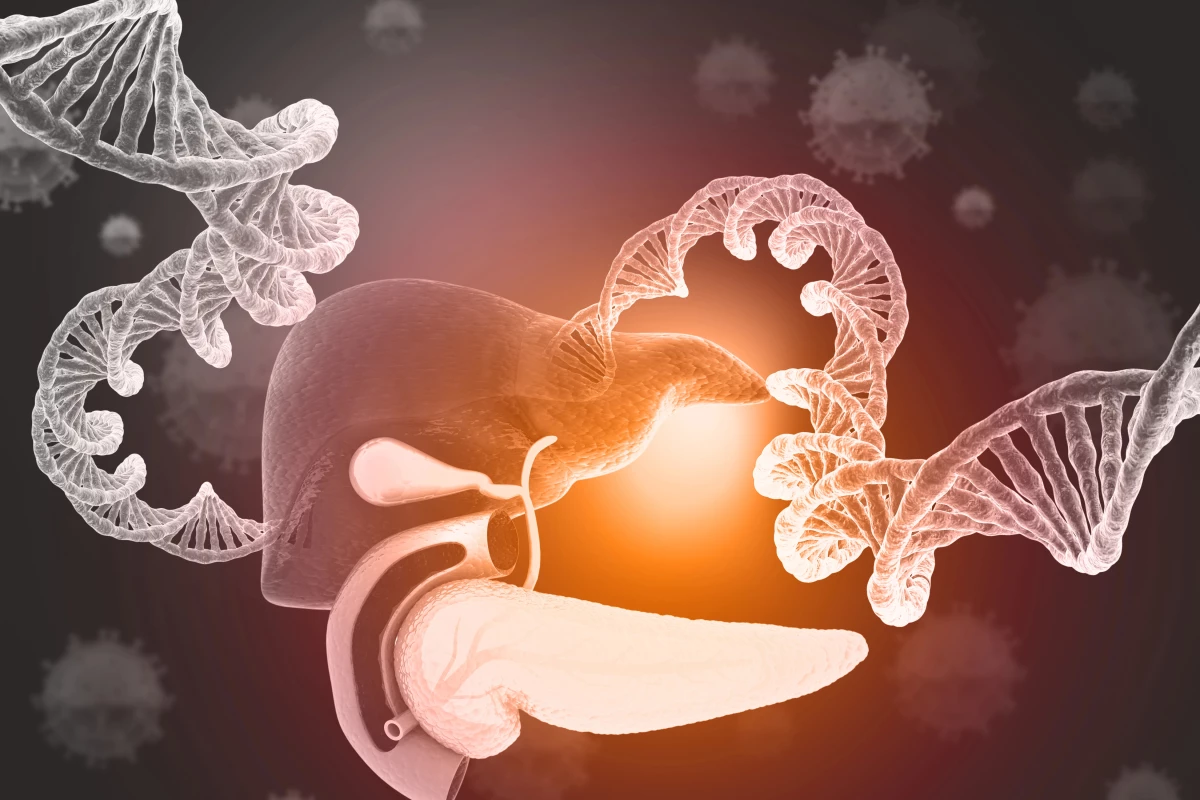
Research from Universidad Miguel Hernández in Spain reveals a potential breakthrough in the treatment of liver cirrhosis, a condition characterized by chronic liver damage and inflammation. The study identifies a critical inflammatory switch linked to a chemical known as Platelet-Activating Factor (PAF), which exacerbates liver damage by promoting harmful immune responses.
Chronic liver diseases worsen when the liver’s immune system remains overly active, leading to persistent inflammation and scarring. The gut sends signals that encourage immune cells to release destructive molecules, primarily through macrophages and monocytes. Among these, liver macrophages play a vital role and are being explored as therapeutic targets. In cases of cirrhosis, healthy liver tissue is progressively replaced by scar tissue, which significantly impacts the liver’s structure and function.
The research team, led by Rubén Francés Guarinos, aimed to investigate the role of PAF and its receptor (PAF-R) in cirrhosis. “Our main objective was to understand how PAF and its receptor contribute to liver cirrhosis and whether blocking this inflammatory pathway could improve liver function,” Guarinos noted.
The study involved both patients suffering from cirrhosis and mice with chemically induced cirrhosis. Some of the mice received treatments, including a drug that blocks the PAF-R receptor and a DNA methylation inhibitor, prior to undergoing surgery. The researchers examined liver immune cells to assess DNA activity regulation and measured levels of the PAF-R receptor. They also tested liver cells called Kupffer cells against PAF to gauge inflammatory molecule production.
Findings indicate that in cirrhosis, changes in gene regulation enhance the activity of the PAF-R gene, leading to an increase in PAF-R receptor production. This overactivity intensifies inflammation and contributes to liver damage. Notably, the team demonstrated that administering the drug BN-52021 successfully reduced liver injury in cirrhotic mice and improved blood vessel function, while also restoring balance to the liver’s immune responses.
“These findings suggest that drugs like BN-52021, which inhibit PAF action, could represent a new therapeutic approach for liver cirrhosis,” stated researcher Enrique Ángel Gomis. Future treatments may not only inhibit inflammation but also address the underlying molecular mechanisms that render the liver vulnerable.
In cirrhosis, the PAF-R gene is excessively activated due to epigenetic changes. By developing therapies that restore or correct these epigenetic controls, scientists could potentially prevent the overproduction of PAF-R at its source. Such an approach could calm the liver’s immune cells and mitigate damaging inflammatory signals, ultimately reducing scarring and protecting blood vessel function.
In essence, rather than merely addressing the symptoms of cirrhosis, epigenetic-based therapies could reprogram the liver’s immune response, offering a more targeted and enduring strategy for controlling inflammation and curtailing disease progression.
The study’s findings were published in Biomedicine & Pharmacotherapy in March 2024. This research underscores the pressing need for innovative treatments that tackle the root causes of liver disease, moving beyond current strategies that primarily manage complications.

Robinhood Stock Surges 2.5% Today Amid Tech Market Recovery

Philadelphia’s Earth Month Kicks Off with Free Events in Parks

GSK’s Inhaler Decision Sparks Health Concerns for Children

Bradford’s Fish Fry Fridays Offer Community Spirit and Flavor

Speculation Rises on Shutdowns During Trump’s Potential Presidency

Samsung Galaxy Watch 9 to Feature Larger Battery, Report Reveals

Inventors Find New Purpose Through Unconventional Paths

UConn Huskies Aim for Back-to-Back Titles in 2026 NCAA Tournament

U.S. Mine Countermeasure Ships Dock in Malaysia for Logistics Stop

University of Hawaiʻi at Mānoa Joins $25.6M AI Initiative for Disaster Monitoring

$2.2 Million Boost for Cancer Research and Training in Hawaiʻi

ALMA Discovers Companion Orbiting Red Giant Star π 1 Gruis

Sacituzumab Govitecan Shows Promise for HR+/HER2− Breast Cancer

币安人生 Sees $15.92 Million in Trading Volume Amid Market Fluctuations

New Gel Offers Hope for Regrowing Tooth Enamel in Dentistry

CAVA Group Shares Surge 5.1% Amid Mixed Analyst Ratings

Christian Bale in Talks to Join Leonardo DiCaprio in Heat 2

Supreme Court to Review Birthright Citizenship for Children of Immigrants
-
Science9 months ago
University of Hawaiʻi at Mānoa Joins $25.6M AI Initiative for Disaster Monitoring
-
 Health7 months ago
$2.2 Million Boost for Cancer Research and Training in Hawaiʻi
-
 Science9 months ago
ALMA Discovers Companion Orbiting Red Giant Star π 1 Gruis
-
 Health7 months ago
Sacituzumab Govitecan Shows Promise for HR+/HER2− Breast Cancer
-
Politics5 months ago
币安人生 Sees $15.92 Million in Trading Volume Amid Market Fluctuations
-
 Health9 months ago
New Gel Offers Hope for Regrowing Tooth Enamel in Dentistry
-
 Business8 months ago
CAVA Group Shares Surge 5.1% Amid Mixed Analyst Ratings
-
 Entertainment8 months ago
Christian Bale in Talks to Join Leonardo DiCaprio in Heat 2
-
 Politics8 months ago
Supreme Court to Review Birthright Citizenship for Children of Immigrants
-

 Lifestyle8 months ago
Art Deco and Traditional Designs Set to Transform Homes in 2026
-

 Lifestyle8 months ago
Fernando Mendoza Secures Maxwell and O’Brien Awards Ahead of Heisman
-

 World8 months ago
Swiss Residents Reject 50% Inheritance Tax on Wealthy