
Health
Single Gut Microbe Identified as Key to Preventing Weight Gain

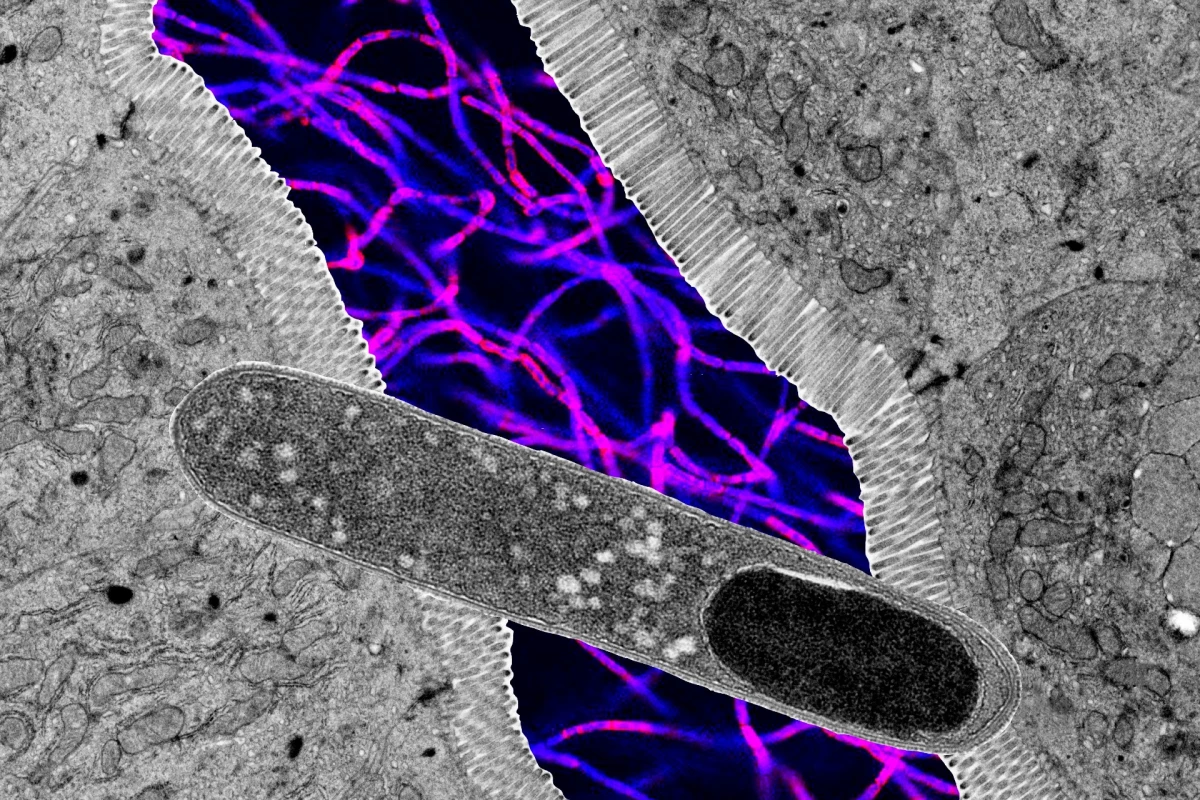
Researchers at the University of Utah have identified a specific gut microbe, known as Turicibacter, that can significantly prevent weight gain, even when subjects are on a high-fat diet. This discovery contributes to the expanding field of microbiome research, which aims to leverage the bacteria residing in our bodies for improved health outcomes.
For years, scientists have recognized that our gut microbiome—a complex community of microorganisms—plays a crucial role in influencing body weight. However, pinpointing which particular microbes exert these effects has proven challenging. This complexity arises because many gut bacteria do not survive well outside their natural environment, necessitating specialized conditions for testing.
In this latest research, the team at U of U narrowed down approximately 100 bacteria associated with weight management to just one: Turicibacter. In experiments conducted on mice fed a high-fat diet, those supplemented with Turicibacter exhibited reduced blood sugar levels, lower fat concentrations in the bloodstream, and less overall weight gain when compared to a control group.
“I didn’t think one microbe would have such a dramatic effect – I thought it would be a mix of three or four,” said June Round, professor of microbiology and immunology at U of U Health and senior author of the study. “So when Kendra Klag brought me the first experiment with Turicibacter and the mice were staying really lean, I was like, ‘This is so amazing.’ It’s pretty exciting when you see those types of results.”
Understanding the Mechanism Behind Turicibacter
The effectiveness of Turicibacter in maintaining lean body mass in mice stems from its interaction with fatty molecules known as ceramides. A high-fat diet increases ceramide levels, which not only enhances fat absorption in the gut but also promotes fat storage and raises blood sugar levels, contributing to insulin resistance. Elevated ceramide levels have been linked to serious health issues, including type 2 diabetes and heart disease.
Interestingly, Turicibacter also produces lipids in the gut, but these specific molecules counteract the rise of ceramides, offering protection even in the context of high-fat consumption. Unfortunately, the presence of a high-fat diet can overwhelm Turicibacter, diminishing its beneficial effects. Studies have shown that in individuals with obesity, the levels of Turicibacter are often lower.
To maintain the protective effects of Turicibacter, consistent supplementation in the study was crucial. This approach kept levels of beneficial fats high, allowing the mice to remain slim and healthy despite their high-fat diet.
Future Implications for Weight Management
While the findings are promising, the researchers caution against making immediate assumptions about the applicability of these results to humans. They emphasize the importance of identifying the specific lipids produced by Turicibacter that contribute to these effects. “Identifying what lipid is having this effect is going to be one of the most important future directions,” Round stated. “We want to understand how it works, and from a therapeutic standpoint, we could potentially use this bacterial lipid as a way to maintain a healthy weight.”
Klag added, “With further investigation of individual microbes, we will be able to make microbes into medicine and find bacteria that are safe to create a consortium of different bugs that people with different diseases might be lacking.”
The research findings have been published in the journal Cell Metabolism, marking a significant step forward in understanding the potential of gut microbiomes in weight management and overall health.

Robinhood Stock Surges 2.5% Today Amid Tech Market Recovery

Philadelphia’s Earth Month Kicks Off with Free Events in Parks

GSK’s Inhaler Decision Sparks Health Concerns for Children

Bradford’s Fish Fry Fridays Offer Community Spirit and Flavor

Speculation Rises on Shutdowns During Trump’s Potential Presidency

Samsung Galaxy Watch 9 to Feature Larger Battery, Report Reveals

Inventors Find New Purpose Through Unconventional Paths

UConn Huskies Aim for Back-to-Back Titles in 2026 NCAA Tournament

U.S. Mine Countermeasure Ships Dock in Malaysia for Logistics Stop

University of Hawaiʻi at Mānoa Joins $25.6M AI Initiative for Disaster Monitoring

$2.2 Million Boost for Cancer Research and Training in Hawaiʻi

ALMA Discovers Companion Orbiting Red Giant Star π 1 Gruis

Sacituzumab Govitecan Shows Promise for HR+/HER2− Breast Cancer

币安人生 Sees $15.92 Million in Trading Volume Amid Market Fluctuations

New Gel Offers Hope for Regrowing Tooth Enamel in Dentistry

CAVA Group Shares Surge 5.1% Amid Mixed Analyst Ratings

Christian Bale in Talks to Join Leonardo DiCaprio in Heat 2

Supreme Court to Review Birthright Citizenship for Children of Immigrants
-
Science9 months ago
University of Hawaiʻi at Mānoa Joins $25.6M AI Initiative for Disaster Monitoring
-
 Health8 months ago
$2.2 Million Boost for Cancer Research and Training in Hawaiʻi
-
 Science9 months ago
ALMA Discovers Companion Orbiting Red Giant Star π 1 Gruis
-
 Health7 months ago
Sacituzumab Govitecan Shows Promise for HR+/HER2− Breast Cancer
-
Politics5 months ago
币安人生 Sees $15.92 Million in Trading Volume Amid Market Fluctuations
-
 Health9 months ago
New Gel Offers Hope for Regrowing Tooth Enamel in Dentistry
-
 Business8 months ago
CAVA Group Shares Surge 5.1% Amid Mixed Analyst Ratings
-
 Entertainment9 months ago
Christian Bale in Talks to Join Leonardo DiCaprio in Heat 2
-
 Politics8 months ago
Supreme Court to Review Birthright Citizenship for Children of Immigrants
-

 Lifestyle9 months ago
Art Deco and Traditional Designs Set to Transform Homes in 2026
-

 Lifestyle8 months ago
Fernando Mendoza Secures Maxwell and O’Brien Awards Ahead of Heisman
-

 World8 months ago
Swiss Residents Reject 50% Inheritance Tax on Wealthy