
Health
U.S. Health Care Crisis Deepens as Costs Surge and Trust Wanes

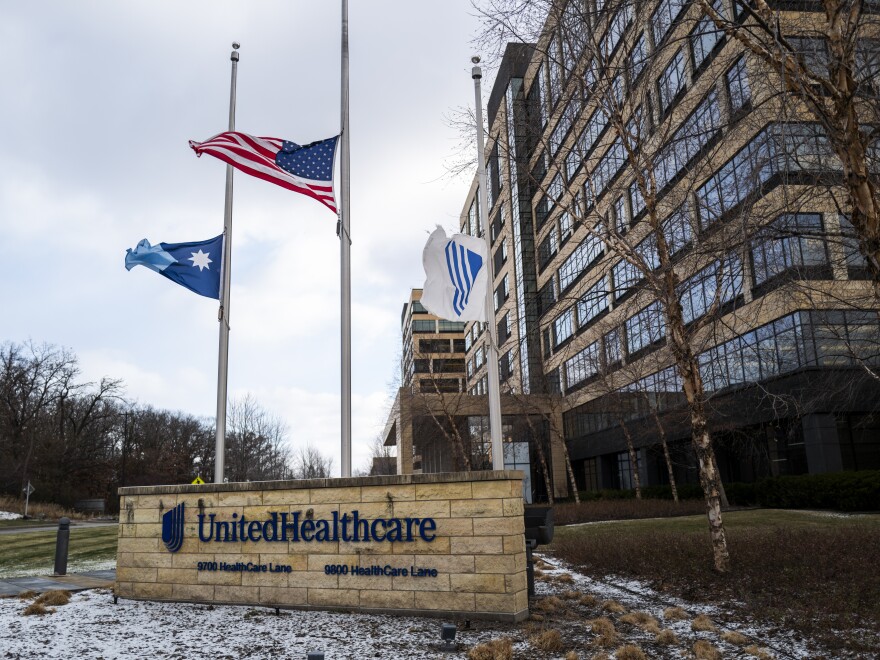
The health care landscape in the United States is facing a deepening crisis marked by skyrocketing costs and eroding trust from both consumers and investors. Following the tragic shooting of UnitedHealthcare CEO Brian Thompson on December 4, 2024, concerns about health care affordability and accessibility have intensified. As premiums for both the Affordable Care Act (ACA) and employer-sponsored insurance are set to rise sharply in the coming year, millions of Americans are bracing for the financial impact.
In a nation where health care is already the most expensive among developed countries, nearly half of U.S. adults now anticipate they will be unable to afford necessary medical care in the upcoming year, according to a recent Gallup poll. The increasing costs stem from multiple factors, including the introduction of more effective but expensive treatments and a growing demand for medical services following the pandemic. As people return to doctors’ offices, hospitals are capitalizing on this surge in demand to raise prices.
Rising Costs and Consumer Anxiety
Approximately 24 million individuals rely on the ACA for their health insurance, and the expiration of government subsidies at the end of the year is expected to lead to dramatic increases in premiums. Furthermore, the 154 million Americans who receive insurance through their employers are also facing similar cost hikes.
Families like that of Jennifer Blazis, a 44-year-old nonprofit worker from Colorado Springs, are feeling the pinch. Blazis has postponed necessary surgery for her leg due to the anticipated financial burden. “We wait to go to the doctor because we know if we do, we’re going to get hit with just a massive bill,” she remarked. Even with a robust health insurance plan provided by her husband’s small business, the costs remain a significant concern.
Struggles of Major Insurers
The turmoil in the health care sector is not limited to consumers; even major players like UnitedHealth Group are grappling with severe financial challenges. Once considered a stable investment, shares in UnitedHealth have plummeted by 44% over the past year. The company’s involvement in various aspects of health care—from managing care for seniors in Medicare Advantage programs to processing prescriptions—has not shielded it from the rising costs and regulatory scrutiny that plague the industry.
The Department of Justice is investigating UnitedHealth’s Medicare business, further complicating its financial landscape. In a bid to regain stability, the company is attempting to offload approximately 1 million Medicare Advantage patients. Chief Financial Officer Wayne DeVeydt expressed a desire to restore the company’s former reputation, indicating a long road ahead for recovery.
Prominent investors, including Warren Buffett, have shown faith in the company. In August, Buffett’s Berkshire Hathaway acquired over 5 million shares of UnitedHealth, briefly buoying the stock. Despite this, the broader market sentiment remains cautious, as analysts project continued volatility in health care stocks.
The health care industry, which constitutes about one-fifth of the U.S. economy, has historically been viewed as a “defensive” investment. Yet, with growing financial and regulatory challenges, many investors are reconsidering their positions. Katherine Hempstead, a senior policy officer at the Robert Wood Johnson Foundation, highlighted the systemic issues at play: “Every segment of the health insurance business right now is stressed.”
The combination of rising costs, eroded trust, and regulatory scrutiny paints a grim picture for the future of health care in the United States. As both consumers and businesses confront these challenges, the urgent question remains: how can a system designed to provide care to its citizens become fundamentally unworkable? The events of the past year, culminating in the shocking violence against a key industry leader, have laid bare the fractures within this critical sector. The road to recovery will require comprehensive solutions that address both financial sustainability and consumer confidence.

Robinhood Stock Surges 2.5% Today Amid Tech Market Recovery

Philadelphia’s Earth Month Kicks Off with Free Events in Parks

GSK’s Inhaler Decision Sparks Health Concerns for Children

Bradford’s Fish Fry Fridays Offer Community Spirit and Flavor

Speculation Rises on Shutdowns During Trump’s Potential Presidency

Samsung Galaxy Watch 9 to Feature Larger Battery, Report Reveals

Inventors Find New Purpose Through Unconventional Paths

UConn Huskies Aim for Back-to-Back Titles in 2026 NCAA Tournament

U.S. Mine Countermeasure Ships Dock in Malaysia for Logistics Stop

University of Hawaiʻi at Mānoa Joins $25.6M AI Initiative for Disaster Monitoring

$2.2 Million Boost for Cancer Research and Training in Hawaiʻi

ALMA Discovers Companion Orbiting Red Giant Star π 1 Gruis

Sacituzumab Govitecan Shows Promise for HR+/HER2− Breast Cancer

币安人生 Sees $15.92 Million in Trading Volume Amid Market Fluctuations

New Gel Offers Hope for Regrowing Tooth Enamel in Dentistry

CAVA Group Shares Surge 5.1% Amid Mixed Analyst Ratings

Christian Bale in Talks to Join Leonardo DiCaprio in Heat 2

Supreme Court to Review Birthright Citizenship for Children of Immigrants
-
Science9 months ago
University of Hawaiʻi at Mānoa Joins $25.6M AI Initiative for Disaster Monitoring
-
 Health8 months ago
$2.2 Million Boost for Cancer Research and Training in Hawaiʻi
-
 Science9 months ago
ALMA Discovers Companion Orbiting Red Giant Star π 1 Gruis
-
 Health7 months ago
Sacituzumab Govitecan Shows Promise for HR+/HER2− Breast Cancer
-
Politics5 months ago
币安人生 Sees $15.92 Million in Trading Volume Amid Market Fluctuations
-
 Health9 months ago
New Gel Offers Hope for Regrowing Tooth Enamel in Dentistry
-
 Business8 months ago
CAVA Group Shares Surge 5.1% Amid Mixed Analyst Ratings
-
 Entertainment9 months ago
Christian Bale in Talks to Join Leonardo DiCaprio in Heat 2
-
 Politics8 months ago
Supreme Court to Review Birthright Citizenship for Children of Immigrants
-

 Lifestyle9 months ago
Art Deco and Traditional Designs Set to Transform Homes in 2026
-

 Lifestyle8 months ago
Fernando Mendoza Secures Maxwell and O’Brien Awards Ahead of Heisman
-

 World8 months ago
Swiss Residents Reject 50% Inheritance Tax on Wealthy