
Health
UConn Faces Major Funding Cuts as Federal Grants Disappear

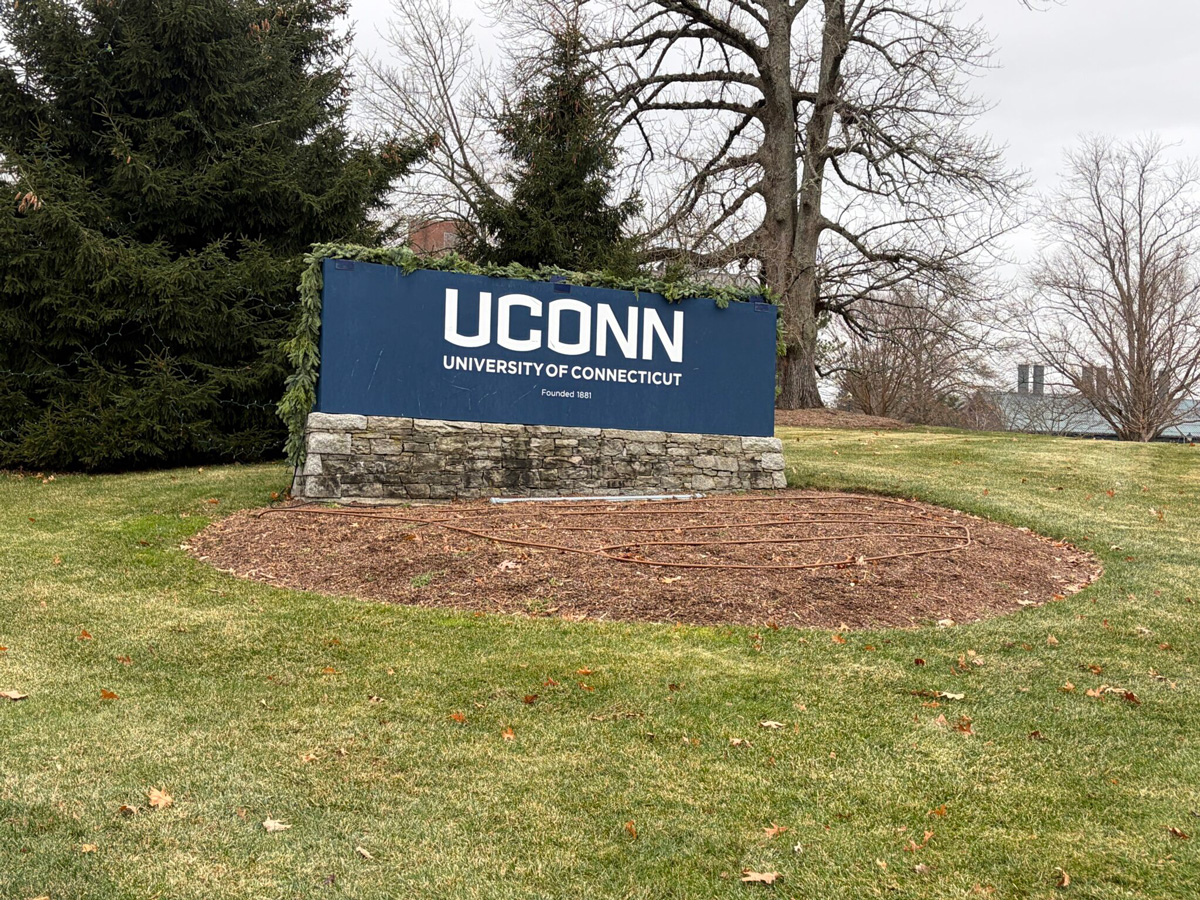
The University of Connecticut (UConn) has experienced significant financial turmoil following extensive cuts to federal research funding, amounting to nearly $95 million over the past year. This reduction has directly impacted faculty, staff, and crucial programs that support low-income families and students across the Greater Hartford area.
Professor Jennifer McGarry, who has directed a federally funded program providing nutrition and physical activity support for over 20 years, lost her nearly $2 million grant from the Department of Agriculture in September. This funding was part of a larger $5 million statewide grant aimed at enhancing community health. McGarry expressed the heavy burden of uncertainty, stating, “There’s all the people that would have been helped, supported, kept alive, if that work continued — so that’s pretty heavy to think about.”
The funding cuts are linked to actions taken by the Trump administration since January 2025, which have seen the cancellation of previously approved grants across universities nationwide. UConn has not been singled out in the same way as institutions like Harvard or Columbia, yet it has still faced substantial losses due to changes in federal funding strategies. Lindsay DiStefano, UConn’s interim vice president of research, confirmed that the university has lost $41 million from terminated and non-renewed research grants, with new awards dropping by $54 million in fiscal year 2025 compared to the previous year.
The repercussions of these cuts extend beyond financial figures; they are affecting the livelihood of over 1,700 individuals whose salaries rely on federal grants. Professor Jeffrey Dudas, president of UConn’s chapter of the American Association of University Professors, had a $135,000 grant from the National Endowment for the Humanities canceled after the first year. This funding supported a writing and podcast project exploring the intersection of artificial intelligence and popular culture. Dudas lamented the lack of explanation provided with the cancellation notice, highlighting the uncertainty many faculty members now face.
The impact of the cuts does not stop at terminated grants. Professor Nathan Alder, who researches chronic diseases, noted a general decline in federal support for indirect costs, which fund essential infrastructure and maintenance for research projects. He emphasized the increasing competition for funding, stating that the success rate for grant applications has plummeted from one in ten to one in fifty.
In a broader context, the National Institutes of Health (NIH) terminated over 2,100 research grants valued at $9.5 billion in the first half of 2025 alone. These terminations reflect a dramatic shift in federal research priorities, as the administration has focused on scrutinizing spending related to diversity, equity, and inclusion initiatives, as well as climate change and public health.
As UConn navigates these challenges, the university has initiated measures to mitigate the impact of federal cuts. The Emergency Research Grant Expenditure Fund was established to provide temporary support for researchers affected by grant cancellations. As of October 20, $1.6 million has been awarded to twelve projects, with the primary goal of minimizing layoffs and ensuring that graduate students can continue their education without interruption.
Despite these efforts, many faculty members, like McGarry, are grappling with the profound changes to their work environments. She described a pervasive sense of anxiety among colleagues, who fear that years invested in federally funded research may be abruptly halted. “There’s just this aura of awfulness,” she said, reflecting the uncertainty that now looms over UConn’s academic community.
Looking ahead, UConn’s leadership, including DiStefano, is committed to maintaining open communication with faculty and fostering opportunities for collaboration with industry partners. Workshops have been organized to help researchers explore alternative funding sources, underscoring the urgent need to adapt to a rapidly evolving funding landscape.
As the federal landscape continues to shift, the implications of these cuts may have lasting effects on the academic and research capabilities of institutions like UConn. Alder warned of an impending “intellectual drain,” noting a stark decline in available positions for professors and researchers, which could affect the future of academic research in the United States.
With UConn’s leadership already confronting the challenges posed by the Trump administration’s funding policies, they remain determined to uphold their commitment to research and education, even in the face of adversity. As the university strives to rebuild its funding base, the resilience of its faculty and staff will be crucial in shaping the future of research at UConn and beyond.

Robinhood Stock Surges 2.5% Today Amid Tech Market Recovery

Philadelphia’s Earth Month Kicks Off with Free Events in Parks

GSK’s Inhaler Decision Sparks Health Concerns for Children

Bradford’s Fish Fry Fridays Offer Community Spirit and Flavor

Speculation Rises on Shutdowns During Trump’s Potential Presidency

Samsung Galaxy Watch 9 to Feature Larger Battery, Report Reveals

Inventors Find New Purpose Through Unconventional Paths

UConn Huskies Aim for Back-to-Back Titles in 2026 NCAA Tournament

U.S. Mine Countermeasure Ships Dock in Malaysia for Logistics Stop

University of Hawaiʻi at Mānoa Joins $25.6M AI Initiative for Disaster Monitoring

$2.2 Million Boost for Cancer Research and Training in Hawaiʻi

ALMA Discovers Companion Orbiting Red Giant Star π 1 Gruis

Sacituzumab Govitecan Shows Promise for HR+/HER2− Breast Cancer

币安人生 Sees $15.92 Million in Trading Volume Amid Market Fluctuations

New Gel Offers Hope for Regrowing Tooth Enamel in Dentistry

CAVA Group Shares Surge 5.1% Amid Mixed Analyst Ratings

Christian Bale in Talks to Join Leonardo DiCaprio in Heat 2

Supreme Court to Review Birthright Citizenship for Children of Immigrants
-
Science8 months ago
University of Hawaiʻi at Mānoa Joins $25.6M AI Initiative for Disaster Monitoring
-
 Health7 months ago
$2.2 Million Boost for Cancer Research and Training in Hawaiʻi
-
 Science8 months ago
ALMA Discovers Companion Orbiting Red Giant Star π 1 Gruis
-
 Health7 months ago
Sacituzumab Govitecan Shows Promise for HR+/HER2− Breast Cancer
-
Politics4 months ago
币安人生 Sees $15.92 Million in Trading Volume Amid Market Fluctuations
-
 Health8 months ago
New Gel Offers Hope for Regrowing Tooth Enamel in Dentistry
-
 Business7 months ago
CAVA Group Shares Surge 5.1% Amid Mixed Analyst Ratings
-
 Entertainment8 months ago
Christian Bale in Talks to Join Leonardo DiCaprio in Heat 2
-
 Politics7 months ago
Supreme Court to Review Birthright Citizenship for Children of Immigrants
-

 Lifestyle8 months ago
Art Deco and Traditional Designs Set to Transform Homes in 2026
-

 Lifestyle7 months ago
Fernando Mendoza Secures Maxwell and O’Brien Awards Ahead of Heisman
-

 World7 months ago
Swiss Residents Reject 50% Inheritance Tax on Wealthy