
Politics
21 States Challenge Trump Administration Over CFPB Funding

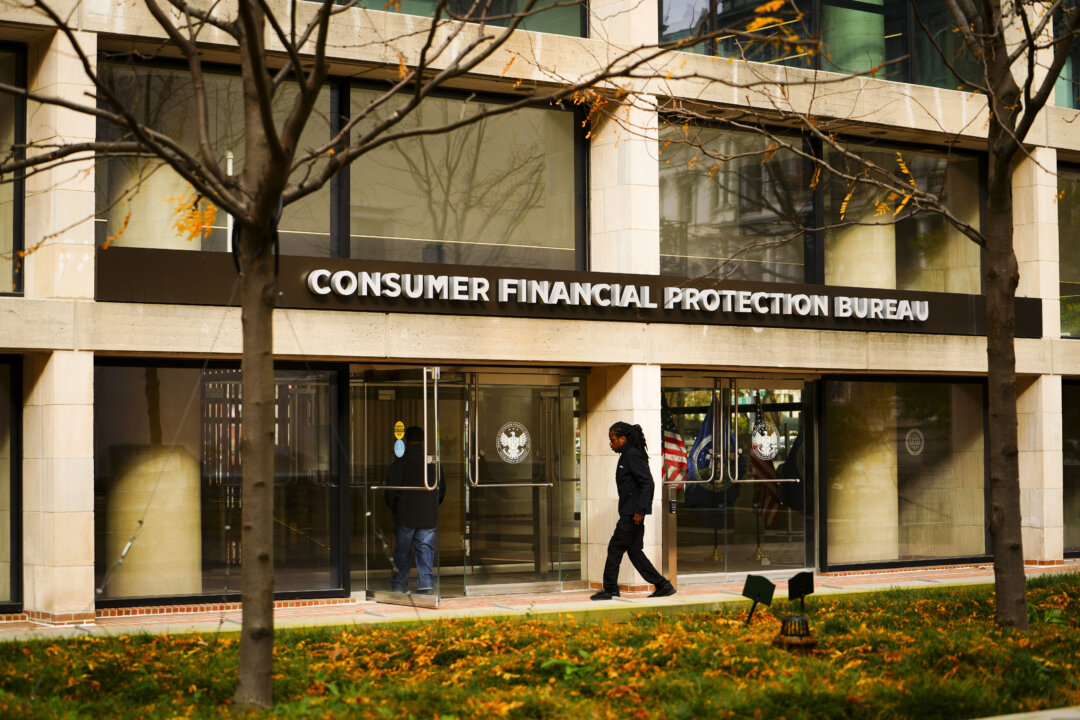
Attorneys general from 21 Democratic-led states, along with the District of Columbia, have initiated a lawsuit against the Trump administration. The action, taken on March 4, 2024, seeks to prevent the administration from defunding the Consumer Financial Protection Bureau (CFPB) by withholding its requests for funding from the Federal Reserve.
The lawsuit, filed in the U.S. District Court in Oregon, asserts that the administration’s approach is illegal and undermines the intent of Congress. The states argue that without adequate funding, the CFPB will struggle to carry out its essential responsibilities. The CFPB was established to protect consumers from unfair, deceptive, or abusive practices in the financial sector.
Letitia James, the Attorney General of New York, expressed strong opposition to the administration’s actions. In a statement, she said, “The administration’s actions are a handout to those who drive up costs by cheating hardworking Americans, and I will keep fighting to ensure they follow the law and our Constitution.”
The CFPB has played a pivotal role in overseeing financial institutions and ensuring consumer protection since its inception following the 2008 financial crisis. By challenging the funding cuts, the states aim to preserve the bureau’s ability to enforce consumer rights and maintain oversight of financial products and services.
The lawsuit highlights a growing divide between state and federal authorities over consumer protection issues. Advocates for the CFPB argue that adequately funding the bureau is crucial for maintaining financial stability and protecting consumers from predatory practices.
Legal experts suggest that the outcome of this case may set a significant precedent for the future of the CFPB and its operations. As the legal battle unfolds, the implications could affect millions of consumers who rely on the bureau for protection against financial misconduct.
The states involved in the lawsuit include California, New York, and Illinois, among others, reflecting a broader political stance against the Trump administration’s policies. This action comes at a time when consumer protection remains a critical issue in the national discourse, particularly in light of recent economic challenges faced by many Americans.
As the case progresses, stakeholders in the financial sector and consumer advocacy groups will be closely monitoring developments. The legal arguments presented will likely delve into the scope of executive power and the importance of congressional intent in funding federal agencies.
The lawsuit not only underscores the ongoing tensions between state and federal governance but also raises important questions about the future viability of consumer protection in the United States.

Robinhood Stock Surges 2.5% Today Amid Tech Market Recovery

Philadelphia’s Earth Month Kicks Off with Free Events in Parks

GSK’s Inhaler Decision Sparks Health Concerns for Children

Bradford’s Fish Fry Fridays Offer Community Spirit and Flavor

Speculation Rises on Shutdowns During Trump’s Potential Presidency

Samsung Galaxy Watch 9 to Feature Larger Battery, Report Reveals

Inventors Find New Purpose Through Unconventional Paths

UConn Huskies Aim for Back-to-Back Titles in 2026 NCAA Tournament

U.S. Mine Countermeasure Ships Dock in Malaysia for Logistics Stop

University of Hawaiʻi at Mānoa Joins $25.6M AI Initiative for Disaster Monitoring

$2.2 Million Boost for Cancer Research and Training in Hawaiʻi

ALMA Discovers Companion Orbiting Red Giant Star π 1 Gruis

Sacituzumab Govitecan Shows Promise for HR+/HER2− Breast Cancer

币安人生 Sees $15.92 Million in Trading Volume Amid Market Fluctuations

New Gel Offers Hope for Regrowing Tooth Enamel in Dentistry

CAVA Group Shares Surge 5.1% Amid Mixed Analyst Ratings

Christian Bale in Talks to Join Leonardo DiCaprio in Heat 2

Supreme Court to Review Birthright Citizenship for Children of Immigrants
-
Science9 months ago
University of Hawaiʻi at Mānoa Joins $25.6M AI Initiative for Disaster Monitoring
-
 Health8 months ago
$2.2 Million Boost for Cancer Research and Training in Hawaiʻi
-
 Science9 months ago
ALMA Discovers Companion Orbiting Red Giant Star π 1 Gruis
-
 Health7 months ago
Sacituzumab Govitecan Shows Promise for HR+/HER2− Breast Cancer
-
Politics5 months ago
币安人生 Sees $15.92 Million in Trading Volume Amid Market Fluctuations
-
 Health9 months ago
New Gel Offers Hope for Regrowing Tooth Enamel in Dentistry
-
 Business8 months ago
CAVA Group Shares Surge 5.1% Amid Mixed Analyst Ratings
-
 Entertainment9 months ago
Christian Bale in Talks to Join Leonardo DiCaprio in Heat 2
-
 Politics8 months ago
Supreme Court to Review Birthright Citizenship for Children of Immigrants
-

 Lifestyle9 months ago
Art Deco and Traditional Designs Set to Transform Homes in 2026
-

 Lifestyle8 months ago
Fernando Mendoza Secures Maxwell and O’Brien Awards Ahead of Heisman
-

 World8 months ago
Swiss Residents Reject 50% Inheritance Tax on Wealthy