
Politics
U.S. Citizens Carry Passports Amid Immigration Raids and Fear

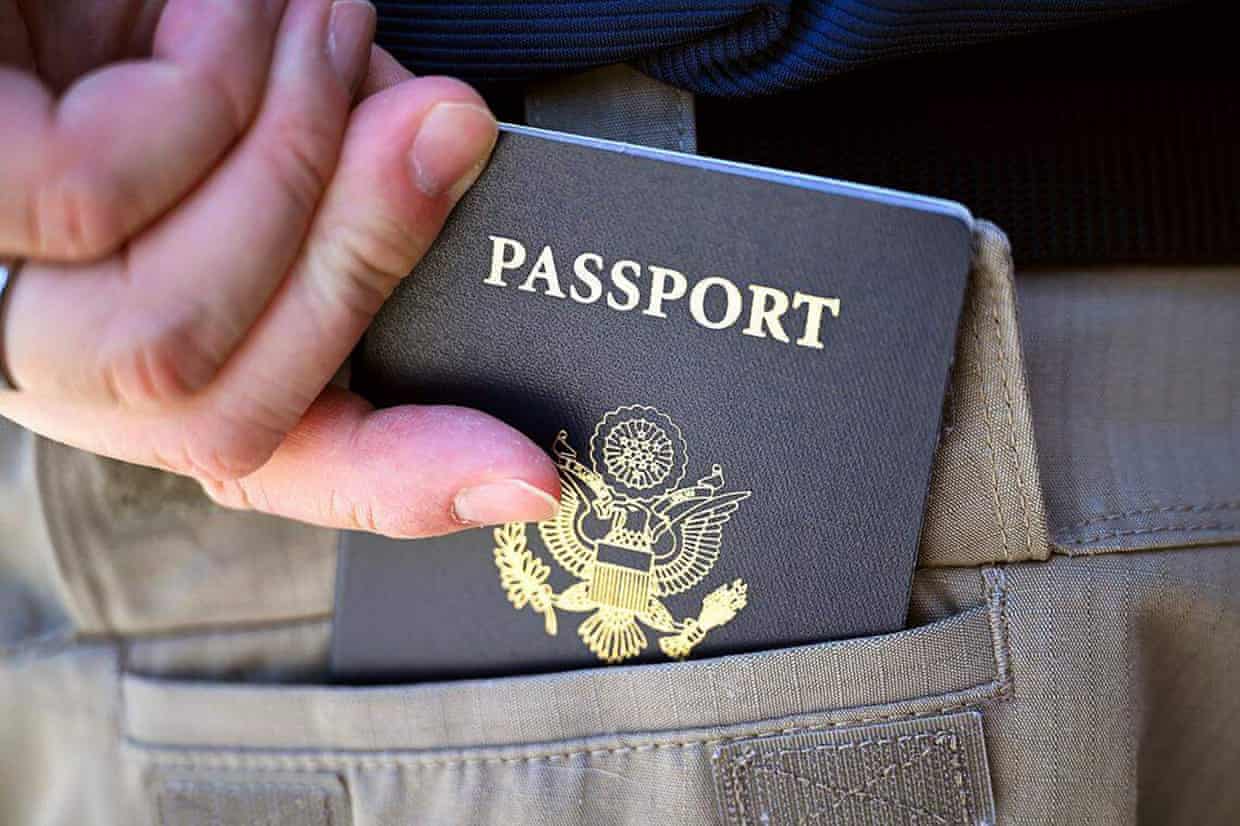
Across the United States, a growing number of citizens are carrying their passports daily due to heightened fears surrounding immigration raids. Reports of citizens being detained have created a pervasive atmosphere of anxiety, compelling individuals to take precautions when going about their everyday lives.
In Minneapolis, Munira Maalimisaq, a family nurse practitioner, began carrying her passport on December 2, 2022, after federal agents intensified operations targeting Somali communities. Maalimisaq, a naturalized citizen who arrived in the U.S. from Somalia as a child, noted a significant shift in her clinic, the Inspire Change Clinic, where many patients now present their passports instead of driver’s licenses.
“Many of my patients may be targeted,” she explained, adding that the fear of federal agents has led her to implement a rapid response plan, including increased telehealth services and safe transportation for patients who feel vulnerable. Maalimisaq wears a headscarf, which she acknowledges makes her more identifiable as an immigrant. “I want to go home safely to my kids. Carrying my passport feels like a necessary precaution.”
In Kenner, Louisiana, Walter Cruz Perez, who became a U.S. citizen in 2022 after immigrating from Guatemala, has also changed his habits. Once comfortable only carrying his driver’s license while running his landscaping business, he now keeps his passport in his cellphone case. This change was prompted by media reports detailing the detention of Latino citizens without their passports.
“It’s stressful,” Cruz shared. “You see on the news that people don’t have the chance to identify themselves. You do what you have to do to avoid problems.” He takes extra care to protect his passport from the elements, understanding that its condition could impact its perceived validity.
Outside New Orleans, educator Carola Lopez expressed frustration over the need to carry her passport, despite being a U.S. citizen. Having grown up in Puerto Rico, Lopez has been questioned about her citizenship and identity throughout her life. She began keeping her passport accessible after a troubling encounter with authorities in 2015, and the ongoing immigration crackdown underscores her decision to maintain this practice.
“I bring it around to avoid uncomfortable situations with the authorities,” Lopez explained. “It’s really sad that we have to do this. I never thought I’d feel the need to prove where I’m from.”
In Los Angeles, Miguel Rios, a 49-year-old aquarium maintenance worker, began carrying copies of his passport after hearing about the wrongful detention of a fellow citizen. The immigration raids that began earlier this year prompted him to cancel planned family trips and discourage larger gatherings. He expressed his frustration at the Supreme Court ruling that allows federal agents to stop individuals based on their appearance or language.
“This is a very dangerous moment,” Rios said. “You’re tearing families apart.” His concerns reflect a broader unease within immigrant communities, where citizens fear being mistaken for undocumented individuals.
Another resident of southern California, who requested to be identified only as Ana, has also felt the impact of these immigration policies. The wrongful detention of Andrea Velez, a U.S. citizen, resonated deeply with her. Witnessing Velez being taken by immigration officials left Ana feeling vulnerable.
“I thought if that happened to her, it could happen to me or anyone who looks like me,” Ana stated. “It’s a reminder that you are not considered fully American.” She now carries her passport and identity documents at all times, underscoring her determination to advocate for the rights of her students, many of whom have family members affected by deportation.
The stories of Maalimisaq, Cruz Perez, Lopez, Rios, and Ana illustrate the heightened climate of fear among U.S. citizens in immigrant communities. The necessity of carrying passports, a practice previously reserved for international travel, has become a daily reality for many. As immigration raids continue, these individuals navigate their lives with an acute awareness of their identity and the implications of their appearance.

Robinhood Stock Surges 2.5% Today Amid Tech Market Recovery

Philadelphia’s Earth Month Kicks Off with Free Events in Parks

GSK’s Inhaler Decision Sparks Health Concerns for Children

Bradford’s Fish Fry Fridays Offer Community Spirit and Flavor

Speculation Rises on Shutdowns During Trump’s Potential Presidency

Samsung Galaxy Watch 9 to Feature Larger Battery, Report Reveals

Inventors Find New Purpose Through Unconventional Paths

UConn Huskies Aim for Back-to-Back Titles in 2026 NCAA Tournament

U.S. Mine Countermeasure Ships Dock in Malaysia for Logistics Stop

University of Hawaiʻi at Mānoa Joins $25.6M AI Initiative for Disaster Monitoring

$2.2 Million Boost for Cancer Research and Training in Hawaiʻi

ALMA Discovers Companion Orbiting Red Giant Star π 1 Gruis

Sacituzumab Govitecan Shows Promise for HR+/HER2− Breast Cancer

币安人生 Sees $15.92 Million in Trading Volume Amid Market Fluctuations

New Gel Offers Hope for Regrowing Tooth Enamel in Dentistry

CAVA Group Shares Surge 5.1% Amid Mixed Analyst Ratings

Christian Bale in Talks to Join Leonardo DiCaprio in Heat 2

Supreme Court to Review Birthright Citizenship for Children of Immigrants
-
Science9 months ago
University of Hawaiʻi at Mānoa Joins $25.6M AI Initiative for Disaster Monitoring
-
 Health8 months ago
$2.2 Million Boost for Cancer Research and Training in Hawaiʻi
-
 Science9 months ago
ALMA Discovers Companion Orbiting Red Giant Star π 1 Gruis
-
 Health7 months ago
Sacituzumab Govitecan Shows Promise for HR+/HER2− Breast Cancer
-
Politics5 months ago
币安人生 Sees $15.92 Million in Trading Volume Amid Market Fluctuations
-
 Health9 months ago
New Gel Offers Hope for Regrowing Tooth Enamel in Dentistry
-
 Business8 months ago
CAVA Group Shares Surge 5.1% Amid Mixed Analyst Ratings
-
 Entertainment9 months ago
Christian Bale in Talks to Join Leonardo DiCaprio in Heat 2
-
 Politics8 months ago
Supreme Court to Review Birthright Citizenship for Children of Immigrants
-

 Lifestyle9 months ago
Art Deco and Traditional Designs Set to Transform Homes in 2026
-

 Lifestyle8 months ago
Fernando Mendoza Secures Maxwell and O’Brien Awards Ahead of Heisman
-

 World8 months ago
Swiss Residents Reject 50% Inheritance Tax on Wealthy