
Politics
Cuba Asserts Right to Self-Defense After Deadly Boat Incident

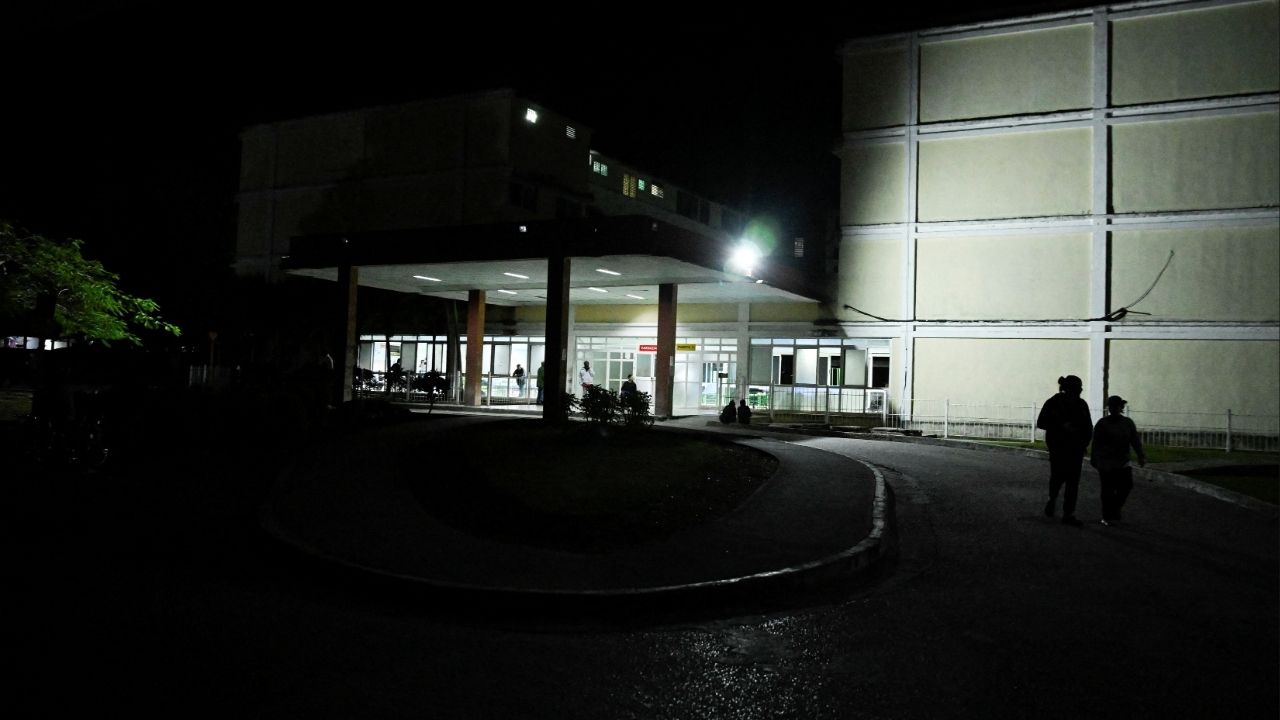
Cuban President Miguel Diaz-Canel announced on March 15, 2024, that Cuba is prepared to defend itself against what he termed “terrorist and mercenary aggression.” This statement follows a deadly incident in which Cuban authorities reported the killing of four exiles aboard a Florida-registered speedboat that allegedly entered Cuban waters and opened fire on a patrol. The Cuban government characterized the individuals on the boat as anti-government Cubans, some of whom were reportedly wanted for planning attacks against the island.
According to Cuban officials, the violent encounter occurred on March 14, 2024, resulting in six additional injuries among those on the speedboat. In a post on X, Diaz-Canel emphasized, “Cuba does not attack nor threaten. We have stated this on repeated occasions and reaffirm it today: Cuba will defend itself with determination and firmness.”
Heightened Tensions with the United States
The incident occurs against a backdrop of escalating tensions between Cuba and the United States. The U.S. has intensified its efforts to apply pressure on the Communist-run government by blocking oil shipments to the island, a crucial source of energy. This action follows the capture and imprisonment of Venezuelan President Nicolas Maduro, a key ally of Cuba.
Since December 2023, shipments from Venezuela, historically Cuba’s primary oil supplier, have ceased. The halt has significantly impacted Cuba’s energy supply, leading to severe fuel shortages, transportation disruptions, and intensified power outages. The United Nations has raised alarms about a potential humanitarian crisis if Cuba’s energy needs are not addressed.
In a response to the recent incident, Russia—one of Cuba’s remaining oil suppliers—called for restraint and labeled the event an “aggressive provocation by the United States.” This statement underscores the complex geopolitical tensions surrounding Cuba’s energy crisis and its implications for regional stability.
U.S. Officials Respond
Following the incident, U.S. Secretary of State Marco Rubio announced that the U.S. government would conduct an independent investigation. In a statement to reporters, Rubio remarked, “We’re still gathering facts. We don’t generally make decisions in the United States on the basis of what Cuban authorities are saying.” This comment reflects a cautious approach by U.S. officials as they navigate the intricate dynamics of U.S.-Cuba relations.
As Cuba faces critical challenges in securing its energy supplies and maintaining stability, Diaz-Canel’s firm stance on self-defense resonates with the island’s long-standing narrative of sovereignty and resilience against external threats. The evolving situation continues to attract international attention, with implications that extend beyond the Caribbean to broader geopolitical landscapes.

Robinhood Stock Surges 2.5% Today Amid Tech Market Recovery

Philadelphia’s Earth Month Kicks Off with Free Events in Parks

GSK’s Inhaler Decision Sparks Health Concerns for Children

Bradford’s Fish Fry Fridays Offer Community Spirit and Flavor

Speculation Rises on Shutdowns During Trump’s Potential Presidency

Samsung Galaxy Watch 9 to Feature Larger Battery, Report Reveals

Inventors Find New Purpose Through Unconventional Paths

UConn Huskies Aim for Back-to-Back Titles in 2026 NCAA Tournament

U.S. Mine Countermeasure Ships Dock in Malaysia for Logistics Stop

University of Hawaiʻi at Mānoa Joins $25.6M AI Initiative for Disaster Monitoring

$2.2 Million Boost for Cancer Research and Training in Hawaiʻi

ALMA Discovers Companion Orbiting Red Giant Star π 1 Gruis

Sacituzumab Govitecan Shows Promise for HR+/HER2− Breast Cancer

币安人生 Sees $15.92 Million in Trading Volume Amid Market Fluctuations

New Gel Offers Hope for Regrowing Tooth Enamel in Dentistry

CAVA Group Shares Surge 5.1% Amid Mixed Analyst Ratings

Christian Bale in Talks to Join Leonardo DiCaprio in Heat 2

Supreme Court to Review Birthright Citizenship for Children of Immigrants
-
Science8 months ago
University of Hawaiʻi at Mānoa Joins $25.6M AI Initiative for Disaster Monitoring
-
 Health7 months ago
$2.2 Million Boost for Cancer Research and Training in Hawaiʻi
-
 Science8 months ago
ALMA Discovers Companion Orbiting Red Giant Star π 1 Gruis
-
 Health7 months ago
Sacituzumab Govitecan Shows Promise for HR+/HER2− Breast Cancer
-
Politics5 months ago
币安人生 Sees $15.92 Million in Trading Volume Amid Market Fluctuations
-
 Health8 months ago
New Gel Offers Hope for Regrowing Tooth Enamel in Dentistry
-
 Business7 months ago
CAVA Group Shares Surge 5.1% Amid Mixed Analyst Ratings
-
 Entertainment8 months ago
Christian Bale in Talks to Join Leonardo DiCaprio in Heat 2
-
 Politics7 months ago
Supreme Court to Review Birthright Citizenship for Children of Immigrants
-

 Lifestyle8 months ago
Art Deco and Traditional Designs Set to Transform Homes in 2026
-

 Lifestyle7 months ago
Fernando Mendoza Secures Maxwell and O’Brien Awards Ahead of Heisman
-

 World8 months ago
Swiss Residents Reject 50% Inheritance Tax on Wealthy