
Politics
Nancy Pelosi Defends Wealth Accumulation Amid Stock Trading Controversy

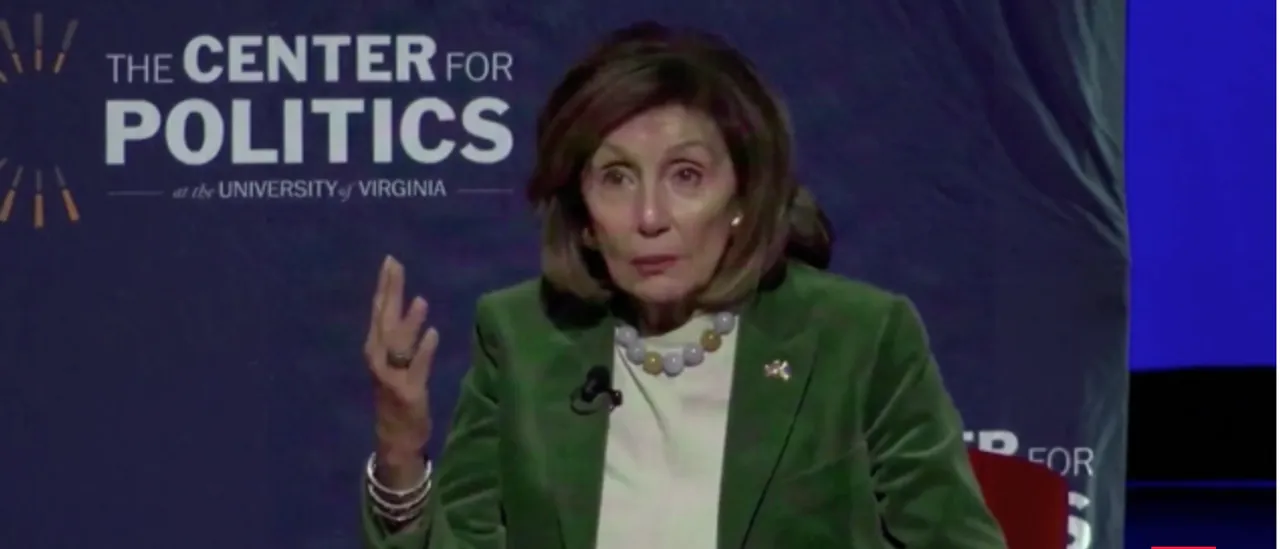
Former House Speaker Nancy Pelosi addressed concerns regarding her wealth during a forum at the University of Virginia’s Center for Politics on March 6, 2024. She stated that her motivations for entering Congress were not financial, despite a remarkable increase in her net worth throughout her 37 years of public service.
Pelosi, who has been a prominent figure in American politics, highlighted that she was the highest-paid member of Congress during her tenure as Speaker. “At the time, I was too, the highest paid person on Capitol Hill. As a woman, that was a big deal. Not that I was there for the money,” she asserted. As of early 2026, her net worth is estimated to be around $270 million, a figure that has grown by at least 2,292% since she first took office.
Recent scrutiny arose following reports that her investment portfolio significantly outperformed the S&P 500. According to financial data from Unusual Whales, her stock portfolio yielded a return of 70.9% between December 29, 2023, and December 30, 2024, compared to the S&P 500’s 24.9% return during the same period. This performance has sparked debates over potential insider trading, with critics, including former President Donald Trump, calling for investigations into her financial activities.
Trump specifically accused Pelosi of using privileged information for personal gain during a statement on July 30. In response to the allegations, Pelosi’s office refuted any claims of wrongdoing, asserting that her husband manages their investments independently, and she has no involvement in trading decisions.
In light of the controversy, Pelosi has shown support for Senate legislation aimed at restricting stock trading by congressional members. She endorsed the Preventing Elected Leaders from Owning Securities and Investments (PELOSI) Act, proposed by Republican Senator Josh Hawley. The act seeks to prevent members of Congress and their families from engaging in stock trades by March 2027.
Despite her previous opposition to such bans, Pelosi’s stance appears to have shifted following the midterm elections in 2022. During Trump’s address at the State of the Union, he emphasized the importance of preventing insider trading, stating, “Let’s also ensure that members of Congress cannot corruptly profit from using insider information.”
The ongoing discussions around Pelosi’s financial activities highlight broader concerns about transparency and ethics within Congress. As lawmakers navigate the complexities of stock trading regulations, Pelosi’s case serves as a focal point for discussions about the integrity of elected officials and their financial dealings.
As the dialogue continues, the intersection of politics and personal finance remains a contentious issue, drawing attention to the need for reform in how legislators manage their investments while in office.

Robinhood Stock Surges 2.5% Today Amid Tech Market Recovery

Philadelphia’s Earth Month Kicks Off with Free Events in Parks

GSK’s Inhaler Decision Sparks Health Concerns for Children

Bradford’s Fish Fry Fridays Offer Community Spirit and Flavor

Speculation Rises on Shutdowns During Trump’s Potential Presidency

Samsung Galaxy Watch 9 to Feature Larger Battery, Report Reveals

Inventors Find New Purpose Through Unconventional Paths

UConn Huskies Aim for Back-to-Back Titles in 2026 NCAA Tournament

U.S. Mine Countermeasure Ships Dock in Malaysia for Logistics Stop

University of Hawaiʻi at Mānoa Joins $25.6M AI Initiative for Disaster Monitoring

$2.2 Million Boost for Cancer Research and Training in Hawaiʻi

ALMA Discovers Companion Orbiting Red Giant Star π 1 Gruis

Sacituzumab Govitecan Shows Promise for HR+/HER2− Breast Cancer

币安人生 Sees $15.92 Million in Trading Volume Amid Market Fluctuations

New Gel Offers Hope for Regrowing Tooth Enamel in Dentistry

CAVA Group Shares Surge 5.1% Amid Mixed Analyst Ratings

Christian Bale in Talks to Join Leonardo DiCaprio in Heat 2

Supreme Court to Review Birthright Citizenship for Children of Immigrants
-
Science8 months ago
University of Hawaiʻi at Mānoa Joins $25.6M AI Initiative for Disaster Monitoring
-
 Health7 months ago
$2.2 Million Boost for Cancer Research and Training in Hawaiʻi
-
 Science8 months ago
ALMA Discovers Companion Orbiting Red Giant Star π 1 Gruis
-
 Health7 months ago
Sacituzumab Govitecan Shows Promise for HR+/HER2− Breast Cancer
-
Politics4 months ago
币安人生 Sees $15.92 Million in Trading Volume Amid Market Fluctuations
-
 Health8 months ago
New Gel Offers Hope for Regrowing Tooth Enamel in Dentistry
-
 Business7 months ago
CAVA Group Shares Surge 5.1% Amid Mixed Analyst Ratings
-
 Entertainment8 months ago
Christian Bale in Talks to Join Leonardo DiCaprio in Heat 2
-
 Politics7 months ago
Supreme Court to Review Birthright Citizenship for Children of Immigrants
-

 Lifestyle8 months ago
Art Deco and Traditional Designs Set to Transform Homes in 2026
-

 Lifestyle7 months ago
Fernando Mendoza Secures Maxwell and O’Brien Awards Ahead of Heisman
-

 World8 months ago
Swiss Residents Reject 50% Inheritance Tax on Wealthy