
Politics
Dallas Convention Center Expansion Sparks Concerns Over Fiscal Responsibility

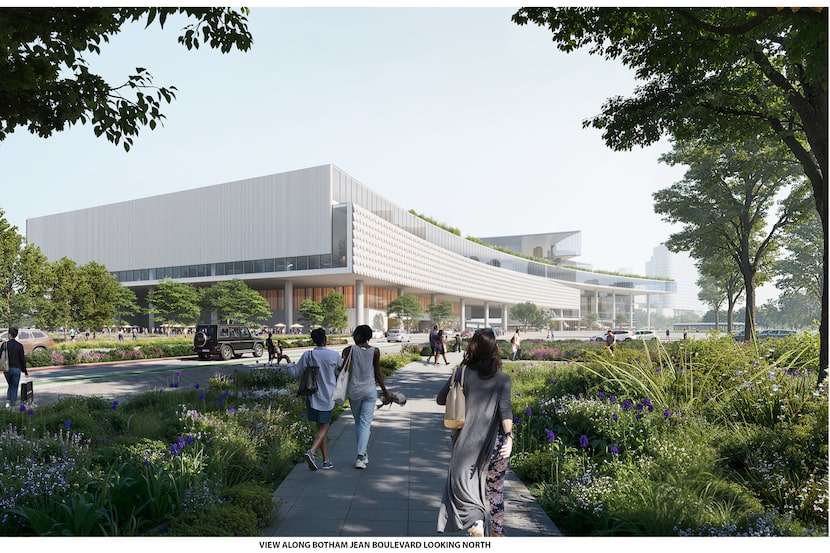
Recent discussions regarding the proposed expansion of the Dallas Convention Center have exposed significant concerns about fiscal management and planning priorities. Critics argue that the city’s approach, characterized by *flashy renderings* over essential groundwork, raises serious questions about the viability of the project. Council member Chad West emphasized this point, likening the situation to completing a house design without first addressing critical issues like drainage.
The proposal has been criticized for neglecting key elements such as parking, transportation flow, and the strain on existing infrastructure. According to West, ignoring these fundamentals risks transforming what should be a civic asset into a potential financial burden. Concerns are amplified by the fact that Dallas has yet to fully pay off the debt incurred from the current convention center. Proceeding with an expansion plan while overlooking these obligations could be viewed as a lack of responsible leadership.
The city staff, operating under the direction of Kimberly Bizor Tolbert, presented a plan that some believe fails to address these crucial logistics. Critics argue that good planning is rooted in practical considerations like financing and long-term sustainability. Until City Hall demonstrates a firm grasp of these essentials, skepticism among taxpayers regarding ambitious proposals remains warranted.
High-Speed Rail Debate Highlights Planning Shortcomings
In a related discussion, opinions diverged on the implementation of high-speed rail service within the region. In response to an editorial that endorsed a resolution for high-speed rail, Grace Weatherly expressed concern that the plan may not align with practical realities. The editorial suggested that the region should not advance with a Dallas-to-Fort Worth segment until the Dallas-to-Houston line is confirmed, a stance Weatherly believes overlooks the complexities of high-speed travel.
She argued that establishing high-speed rail should mirror the successful construction of interstate highways, advocating for a comprehensive plan that connects major cities in segments. Weatherly pointed to the patterns used by Brightline in Florida and Caltrans in California, which have effectively connected cities through strategic planning. This method, she argues, would create a more viable high-speed rail network rather than focusing on isolated segments.
Political Rhetoric Raises Alarm
The political landscape has also drawn scrutiny, particularly in light of recent statements from state representative Andy Hopper. A postcard he sent out containing the phrase “Liberty or Death” has raised alarms among constituents. Critics, including Grace Weatherly, have questioned the implications of such rhetoric, suggesting it could promote violent sentiments contrary to democratic principles.
Weatherly emphasized the need for civil discourse, noting that legislative changes should arise from lawful processes rather than threats of violence. She urged the electorate to remain vigilant and active in shaping their representation, particularly within Texas House District 64.
In a broader context, Martha J. Ryan responded to an editorial discussing former President Donald Trump‘s controversial remarks about NATO. Ryan condemned the notion of challenging NATO allies, labeling it un-American given the historical support from these nations, particularly following the events of September 11, 2001. She highlighted the importance of maintaining strong alliances and questioned the rationale behind Trump’s statements.
In a separate commentary, Les Gregory criticized a recent report from PolitiFact regarding inflation, arguing that it failed to adequately address inflation trends during President Joe Biden‘s administration. He pointed out that the average inflation rate during Biden’s first three years was approximately 6% annually, a detail he felt was overlooked in the discussion. Gregory’s comments reflect broader frustrations regarding economic communication from political leaders.
As these issues unfold, it is clear that Dallas faces significant challenges in balancing ambitious civic projects with sound fiscal management. The ongoing discourse underscores the importance of transparency and accountability in local government, as citizens call for responsible planning and representation.

Robinhood Stock Surges 2.5% Today Amid Tech Market Recovery

Philadelphia’s Earth Month Kicks Off with Free Events in Parks

GSK’s Inhaler Decision Sparks Health Concerns for Children

Bradford’s Fish Fry Fridays Offer Community Spirit and Flavor

Speculation Rises on Shutdowns During Trump’s Potential Presidency

Samsung Galaxy Watch 9 to Feature Larger Battery, Report Reveals

Inventors Find New Purpose Through Unconventional Paths

UConn Huskies Aim for Back-to-Back Titles in 2026 NCAA Tournament

U.S. Mine Countermeasure Ships Dock in Malaysia for Logistics Stop

University of Hawaiʻi at Mānoa Joins $25.6M AI Initiative for Disaster Monitoring

$2.2 Million Boost for Cancer Research and Training in Hawaiʻi

ALMA Discovers Companion Orbiting Red Giant Star π 1 Gruis

Sacituzumab Govitecan Shows Promise for HR+/HER2− Breast Cancer

币安人生 Sees $15.92 Million in Trading Volume Amid Market Fluctuations

New Gel Offers Hope for Regrowing Tooth Enamel in Dentistry

CAVA Group Shares Surge 5.1% Amid Mixed Analyst Ratings

Christian Bale in Talks to Join Leonardo DiCaprio in Heat 2

Supreme Court to Review Birthright Citizenship for Children of Immigrants
-
Science9 months ago
University of Hawaiʻi at Mānoa Joins $25.6M AI Initiative for Disaster Monitoring
-
 Health7 months ago
$2.2 Million Boost for Cancer Research and Training in Hawaiʻi
-
 Science8 months ago
ALMA Discovers Companion Orbiting Red Giant Star π 1 Gruis
-
 Health7 months ago
Sacituzumab Govitecan Shows Promise for HR+/HER2− Breast Cancer
-
Politics5 months ago
币安人生 Sees $15.92 Million in Trading Volume Amid Market Fluctuations
-
 Health9 months ago
New Gel Offers Hope for Regrowing Tooth Enamel in Dentistry
-
 Business7 months ago
CAVA Group Shares Surge 5.1% Amid Mixed Analyst Ratings
-
 Entertainment8 months ago
Christian Bale in Talks to Join Leonardo DiCaprio in Heat 2
-
 Politics7 months ago
Supreme Court to Review Birthright Citizenship for Children of Immigrants
-

 Lifestyle8 months ago
Art Deco and Traditional Designs Set to Transform Homes in 2026
-

 Lifestyle7 months ago
Fernando Mendoza Secures Maxwell and O’Brien Awards Ahead of Heisman
-

 World8 months ago
Swiss Residents Reject 50% Inheritance Tax on Wealthy