
Politics
New Social Media Screening for Visa-Free Travelers to the US

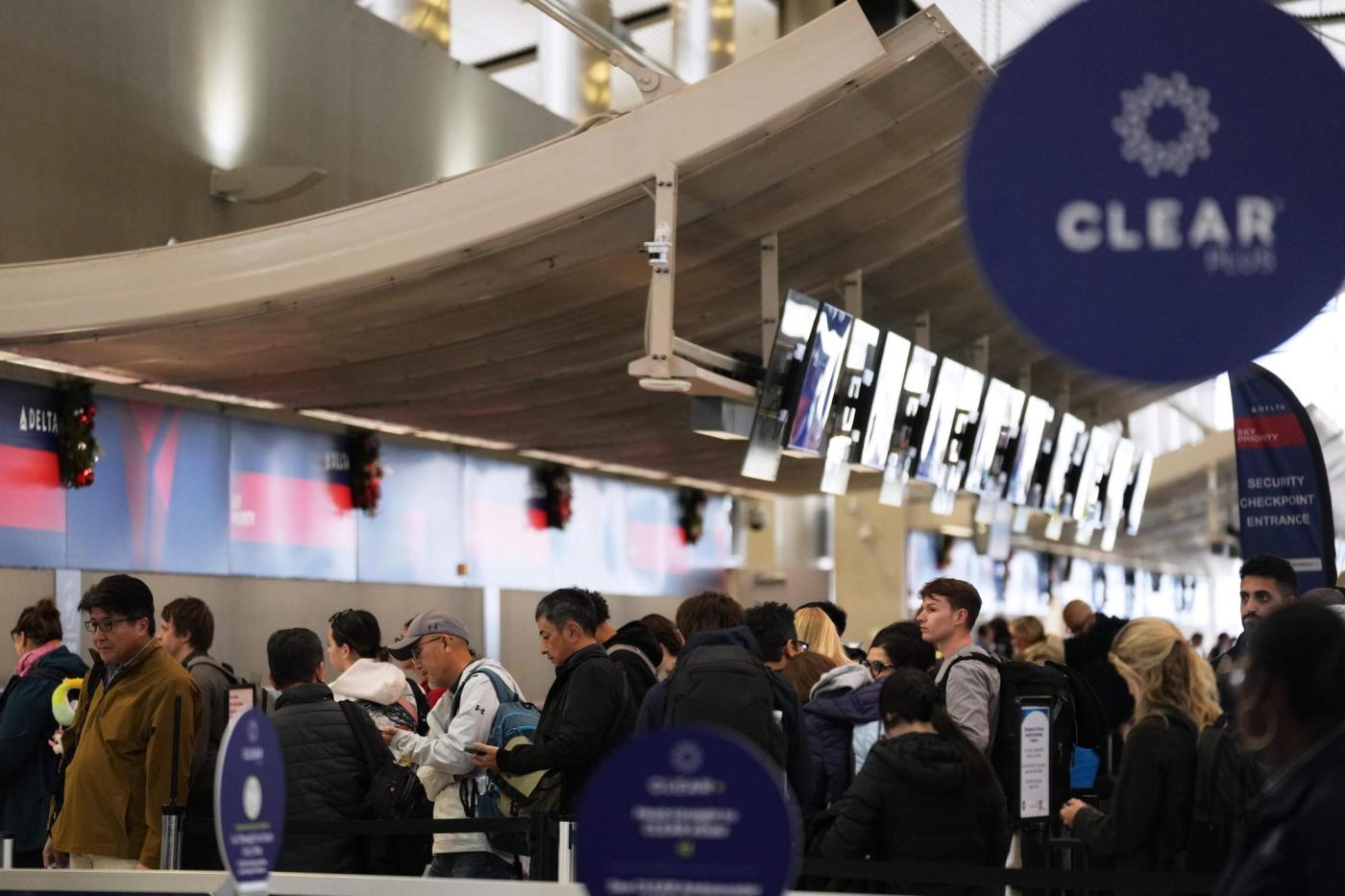
Foreign travelers permitted to enter the United States without a visa may soon face enhanced scrutiny regarding their social media and personal histories. The proposed changes, announced by the Department of Homeland Security (DHS), suggest that travelers from more than three dozen countries participating in the Visa Waiver Program could be required to submit detailed information about their social media accounts, email addresses, and family backgrounds prior to their travel approval.
According to a notice published in the Federal Register, Customs and Border Protection (CBP) is considering the collection of up to five years of social media data from eligible travelers. This initiative builds on previous measures aimed at increasing security and monitoring of international visitors. The Visa Waiver Program currently allows citizens from approximately 40 countries, primarily in Europe and Asia, to travel to the U.S. for up to three months without needing a visa.
Details of the Proposed Changes
The proposed application process would expand significantly from the current requirements, which only ask for limited information such as the names of the applicant’s parents and their current email addresses. Under the new rules, travelers would need to provide a list of phone numbers used over the past five years and email addresses from the past decade. Additionally, travelers would be asked to submit metadata from electronically submitted photos and extensive details about their family members, including their places of birth and contact information.
Public comments on this proposal will be accepted for a period of 60 days before any changes are implemented. As of now, CBP officials have not clarified what specific information they are seeking from social media accounts or the rationale behind the increased data collection.
Background and Context
These developments follow an executive order signed by former President Donald Trump in January 2023, which mandated stricter screening procedures for individuals entering the U.S. The focus on social media scrutiny has been a point of contention among immigration and free speech advocates, who raise concerns about potential infringements on personal privacy and free speech rights.
While travelers from countries outside the Visa Waiver Program have already been required to submit their social media information, this new protocol would extend similar obligations to a broader group of visitors. Under the previous administration, visa applicants were instructed to make all of their social media accounts public, enabling authorities to conduct thorough evaluations for any potentially derogatory content.
The current administration under President Joe Biden has maintained many of these policies, leading to increased scrutiny of both immigrants and travelers. U.S. Citizenship and Immigration Services now assesses whether applicants for benefits—such as green cards—have endorsed or promoted views considered anti-American or extremist.
The enhanced focus on social media screening raises significant questions about the implications for travelers and could alter the landscape of international travel to the U.S. as regulations evolve.

Robinhood Stock Surges 2.5% Today Amid Tech Market Recovery

Philadelphia’s Earth Month Kicks Off with Free Events in Parks

GSK’s Inhaler Decision Sparks Health Concerns for Children

Bradford’s Fish Fry Fridays Offer Community Spirit and Flavor

Speculation Rises on Shutdowns During Trump’s Potential Presidency

Samsung Galaxy Watch 9 to Feature Larger Battery, Report Reveals

Inventors Find New Purpose Through Unconventional Paths

UConn Huskies Aim for Back-to-Back Titles in 2026 NCAA Tournament

U.S. Mine Countermeasure Ships Dock in Malaysia for Logistics Stop

University of Hawaiʻi at Mānoa Joins $25.6M AI Initiative for Disaster Monitoring

$2.2 Million Boost for Cancer Research and Training in Hawaiʻi

ALMA Discovers Companion Orbiting Red Giant Star π 1 Gruis

Sacituzumab Govitecan Shows Promise for HR+/HER2− Breast Cancer

币安人生 Sees $15.92 Million in Trading Volume Amid Market Fluctuations

New Gel Offers Hope for Regrowing Tooth Enamel in Dentistry

CAVA Group Shares Surge 5.1% Amid Mixed Analyst Ratings

Christian Bale in Talks to Join Leonardo DiCaprio in Heat 2

Supreme Court to Review Birthright Citizenship for Children of Immigrants
-
Science9 months ago
University of Hawaiʻi at Mānoa Joins $25.6M AI Initiative for Disaster Monitoring
-
 Health8 months ago
$2.2 Million Boost for Cancer Research and Training in Hawaiʻi
-
 Science9 months ago
ALMA Discovers Companion Orbiting Red Giant Star π 1 Gruis
-
 Health7 months ago
Sacituzumab Govitecan Shows Promise for HR+/HER2− Breast Cancer
-
Politics5 months ago
币安人生 Sees $15.92 Million in Trading Volume Amid Market Fluctuations
-
 Health9 months ago
New Gel Offers Hope for Regrowing Tooth Enamel in Dentistry
-
 Business8 months ago
CAVA Group Shares Surge 5.1% Amid Mixed Analyst Ratings
-
 Entertainment9 months ago
Christian Bale in Talks to Join Leonardo DiCaprio in Heat 2
-
 Politics8 months ago
Supreme Court to Review Birthright Citizenship for Children of Immigrants
-

 Lifestyle9 months ago
Art Deco and Traditional Designs Set to Transform Homes in 2026
-

 Lifestyle8 months ago
Fernando Mendoza Secures Maxwell and O’Brien Awards Ahead of Heisman
-

 World8 months ago
Swiss Residents Reject 50% Inheritance Tax on Wealthy