
Politics
U.S. Proposes New Social Media Disclosure for Visa Waiver Travelers

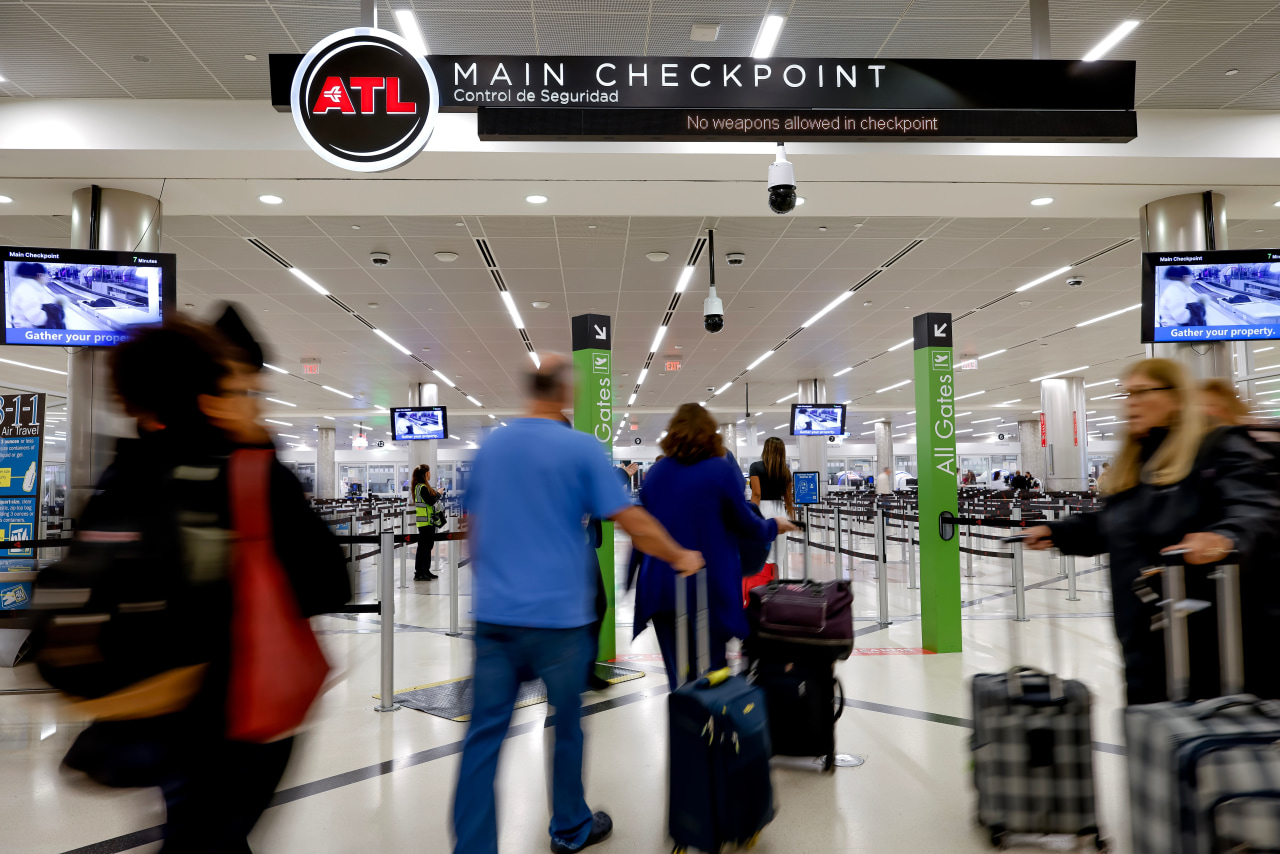
Citizens from countries including the United Kingdom, France, and Japan may soon be required to provide five years of their social media history to enter the United States. This proposal, announced by the U.S. Department of Homeland Security, targets travelers from nations that typically participate in the Visa Waiver Program, which allows short stays without a visa.
The initiative aims to enhance security measures and better assess potential risks associated with incoming travelers. Under the proposed regulations, individuals seeking entry into the U.S. would need to disclose their social media accounts and relevant posts from the past five years as part of the application process. This requirement raises significant privacy concerns among international travelers.
Implications for Travelers
If implemented, this policy would directly affect millions of travelers who rely on the Visa Waiver Program for short visits. Currently, citizens from participating countries can visit the U.S. for up to 90 days without obtaining a visa. However, the new requirement could complicate the travel process, leading to potential delays and increased scrutiny.
Travelers will need to consider the implications of sharing their online history, which includes personal posts, interactions, and affiliations that may not be relevant to their travel intentions. Critics argue that the requirement could deter individuals from visiting the U.S., impacting tourism and international relations.
The proposal has sparked debate among privacy advocates and government officials. Proponents argue that enhanced scrutiny is necessary for national security, while opponents question the effectiveness and ethics of such an invasive measure.
Response from Governments and Organizations
Officials from affected countries have expressed concern regarding the potential impact on tourism and the privacy rights of their citizens. The U.K. government and the French foreign ministry have both stated they are reviewing the proposed measures and will engage with U.S. officials to address their concerns.
International organizations focusing on digital rights have also voiced their disapproval. They emphasize that requiring social media disclosures could infringe on individual privacy rights and create inconsistencies with existing data protection laws.
As the U.S. government moves forward with this proposal, it remains to be seen how it will be implemented and whether it will face legal challenges. The public comment period is set to begin later this year, allowing stakeholders to voice their opinions and influence the final decision.
In summary, the proposed requirement for social media disclosure reflects a growing trend towards increased scrutiny of international travelers. As governments around the world grapple with balancing security needs and individual freedoms, the outcome of this proposal will likely have lasting implications for the future of travel to the United States.

Robinhood Stock Surges 2.5% Today Amid Tech Market Recovery

Philadelphia’s Earth Month Kicks Off with Free Events in Parks

GSK’s Inhaler Decision Sparks Health Concerns for Children

Bradford’s Fish Fry Fridays Offer Community Spirit and Flavor

Speculation Rises on Shutdowns During Trump’s Potential Presidency

Samsung Galaxy Watch 9 to Feature Larger Battery, Report Reveals

Inventors Find New Purpose Through Unconventional Paths

UConn Huskies Aim for Back-to-Back Titles in 2026 NCAA Tournament

U.S. Mine Countermeasure Ships Dock in Malaysia for Logistics Stop

University of Hawaiʻi at Mānoa Joins $25.6M AI Initiative for Disaster Monitoring

$2.2 Million Boost for Cancer Research and Training in Hawaiʻi

ALMA Discovers Companion Orbiting Red Giant Star π 1 Gruis

Sacituzumab Govitecan Shows Promise for HR+/HER2− Breast Cancer

币安人生 Sees $15.92 Million in Trading Volume Amid Market Fluctuations

New Gel Offers Hope for Regrowing Tooth Enamel in Dentistry

CAVA Group Shares Surge 5.1% Amid Mixed Analyst Ratings

Christian Bale in Talks to Join Leonardo DiCaprio in Heat 2

Supreme Court to Review Birthright Citizenship for Children of Immigrants
-
Science9 months ago
University of Hawaiʻi at Mānoa Joins $25.6M AI Initiative for Disaster Monitoring
-
 Health8 months ago
$2.2 Million Boost for Cancer Research and Training in Hawaiʻi
-
 Science9 months ago
ALMA Discovers Companion Orbiting Red Giant Star π 1 Gruis
-
 Health7 months ago
Sacituzumab Govitecan Shows Promise for HR+/HER2− Breast Cancer
-
Politics5 months ago
币安人生 Sees $15.92 Million in Trading Volume Amid Market Fluctuations
-
 Health9 months ago
New Gel Offers Hope for Regrowing Tooth Enamel in Dentistry
-
 Business8 months ago
CAVA Group Shares Surge 5.1% Amid Mixed Analyst Ratings
-
 Entertainment9 months ago
Christian Bale in Talks to Join Leonardo DiCaprio in Heat 2
-
 Politics8 months ago
Supreme Court to Review Birthright Citizenship for Children of Immigrants
-

 Lifestyle9 months ago
Art Deco and Traditional Designs Set to Transform Homes in 2026
-

 Lifestyle8 months ago
Fernando Mendoza Secures Maxwell and O’Brien Awards Ahead of Heisman
-

 World8 months ago
Swiss Residents Reject 50% Inheritance Tax on Wealthy