
Politics
Supreme Court Weighs Free Speech Rights of Crisis Pregnancy Centers

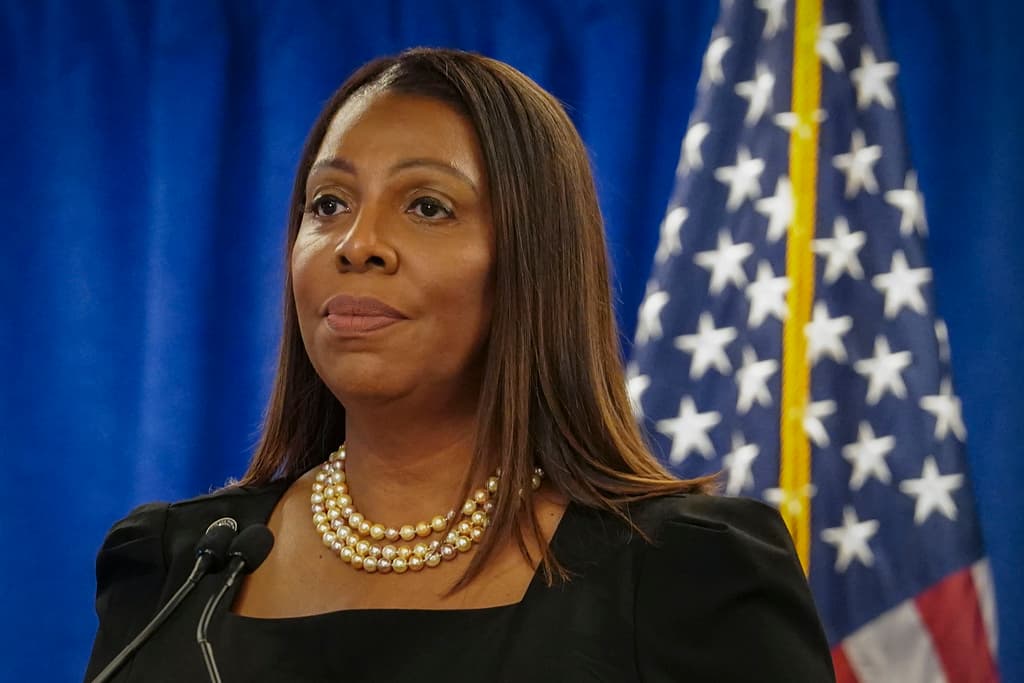
The ongoing legal battle surrounding crisis pregnancy centers in the United States has reached the Supreme Court, as the justices consider the implications of a New Jersey investigation into faith-based clinics. The case highlights critical issues regarding free speech rights for pro-life organizations, particularly in the wake of the Supreme Court’s decision to overturn Roe v. Wade.
In a session on March 6, 2024, the Supreme Court heard arguments regarding a subpoena issued by New Jersey Attorney General Matt Platkin. This demand requires a network of pro-life clinics to submit confidential records, including donor information. The legal framework for this case echoes a historical precedent set in 1958 when the Supreme Court ruled against Alabama’s attempt to obtain membership lists from the National Association for the Advancement of Colored People (NAACP). The court held that such actions constituted an infringement on freedom of association.
During the proceedings, Justice Clarence Thomas expressed skepticism over the characterization of the subpoena as merely a “request.” He remarked, “I’ve never heard the term ‘subpoena request,'” indicating a strong stance on the potential chilling effects of such legal demands on free speech. Similarly, Justice Elena Kagan pointed out that any ordinary person, particularly a donor, would likely feel uneasy receiving a legal subpoena, despite assurances that it had to be court-approved. Justice Brett Kavanaugh also noted the involvement of the American Civil Liberties Union, which has sided with the clinics, emphasizing the broader implications for free speech rights.
Background on the Legal Context
The case arises amidst a broader trend in several liberal states aiming to regulate crisis pregnancy centers. Politico reports that these investigations are part of a national effort by Democrats to secure abortion access following the Supreme Court’s ruling in Dobbs v. Jackson Women’s Health Organization. This effort has motivated New York Attorney General Letitia James to pursue legal actions against clinics in her state, alleging violations of anti-fraud and consumer protection laws. The Second Circuit Court recently ruled in favor of these clinics, suggesting they may have suffered a constitutional injury due to James’s actions.
The crux of the legal arguments rests on whether the New Jersey attorney general’s inquiry constitutes an infringement on the free speech rights of these clinics. The Alliance Defending Freedom, representing the clinics, has labeled James’s actions as an attempt at “speech intimidation.” The Second Circuit’s unanimous ruling underscored the importance of protecting free expression, particularly for organizations that advocate for pro-life positions.
The implications of this case extend beyond the immediate parties involved. Should the Supreme Court side with the crisis pregnancy centers, it could serve as a significant affirmation of free speech rights for religious Americans and advocacy groups. The decision may also prompt a reevaluation of how states approach the regulation of organizations that express views on contentious topics such as abortion.
As the judicial system navigates these complex issues, the outcome will likely influence the ongoing national dialogue surrounding reproductive rights and the intersection of free speech and religious freedom.

Robinhood Stock Surges 2.5% Today Amid Tech Market Recovery

Philadelphia’s Earth Month Kicks Off with Free Events in Parks

GSK’s Inhaler Decision Sparks Health Concerns for Children

Bradford’s Fish Fry Fridays Offer Community Spirit and Flavor

Speculation Rises on Shutdowns During Trump’s Potential Presidency

Samsung Galaxy Watch 9 to Feature Larger Battery, Report Reveals

Inventors Find New Purpose Through Unconventional Paths

UConn Huskies Aim for Back-to-Back Titles in 2026 NCAA Tournament

U.S. Mine Countermeasure Ships Dock in Malaysia for Logistics Stop

University of Hawaiʻi at Mānoa Joins $25.6M AI Initiative for Disaster Monitoring

$2.2 Million Boost for Cancer Research and Training in Hawaiʻi

ALMA Discovers Companion Orbiting Red Giant Star π 1 Gruis

Sacituzumab Govitecan Shows Promise for HR+/HER2− Breast Cancer

币安人生 Sees $15.92 Million in Trading Volume Amid Market Fluctuations

New Gel Offers Hope for Regrowing Tooth Enamel in Dentistry

CAVA Group Shares Surge 5.1% Amid Mixed Analyst Ratings

Christian Bale in Talks to Join Leonardo DiCaprio in Heat 2

Supreme Court to Review Birthright Citizenship for Children of Immigrants
-
Science9 months ago
University of Hawaiʻi at Mānoa Joins $25.6M AI Initiative for Disaster Monitoring
-
 Health8 months ago
$2.2 Million Boost for Cancer Research and Training in Hawaiʻi
-
 Science9 months ago
ALMA Discovers Companion Orbiting Red Giant Star π 1 Gruis
-
 Health7 months ago
Sacituzumab Govitecan Shows Promise for HR+/HER2− Breast Cancer
-
Politics5 months ago
币安人生 Sees $15.92 Million in Trading Volume Amid Market Fluctuations
-
 Health9 months ago
New Gel Offers Hope for Regrowing Tooth Enamel in Dentistry
-
 Business8 months ago
CAVA Group Shares Surge 5.1% Amid Mixed Analyst Ratings
-
 Entertainment9 months ago
Christian Bale in Talks to Join Leonardo DiCaprio in Heat 2
-
 Politics8 months ago
Supreme Court to Review Birthright Citizenship for Children of Immigrants
-

 Lifestyle9 months ago
Art Deco and Traditional Designs Set to Transform Homes in 2026
-

 Lifestyle8 months ago
Fernando Mendoza Secures Maxwell and O’Brien Awards Ahead of Heisman
-

 World8 months ago
Swiss Residents Reject 50% Inheritance Tax on Wealthy