
Politics
U.S. Suspends Offshore Wind Projects Over Security Issues

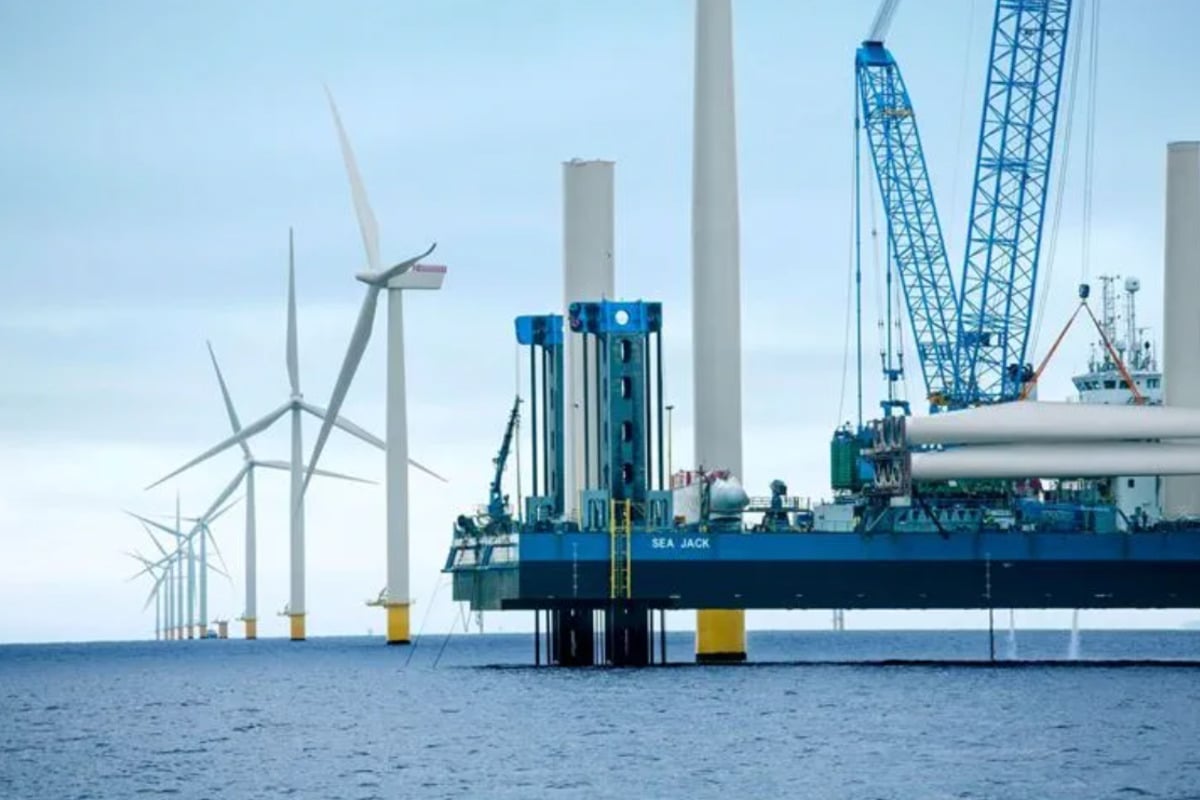
The U.S. Department of the Interior has announced a temporary halt to the deployment of offshore wind farms, citing emerging national security threats. This suspension affects several projects at various construction stages, including the significant Vineyard Wind 1 and Empire Wind 1. The government is now assessing whether these renewable energy initiatives can align with security requirements highlighted by the presence of technologically advanced adversaries.
In a decision that impacts the future of green energy initiatives in the region, projects such as Revolution Wind and CVOW – Commercial now face uncertainty. The Department of the Interior is collaborating with the Department of Defense and other agencies to address the identified security risks. Secretary of the Interior Doug Burgum underscored that the primary responsibility of the government is to safeguard American citizens, a position that echoes priorities established during the Trump administration.
The core issue at the center of this decision relates to the interference that offshore wind turbines could create with radar systems, as detailed in unclassified U.S. government reports. These reports indicate that the wind turbines generate radar “clutter,” which can obscure genuine moving targets and create false alarms. This interference poses a significant concern for defense agencies tasked with ensuring secure radar operations critical to national security.
While the Department of Energy acknowledged in a 2024 report that adjustments to false alarm thresholds could mitigate some radar disruptions, these changes carry risks. The danger remains that legitimate threats might go undetected in the process. The recent announcement reinforces the administration’s commitment to addressing these offshore project concerns while prioritizing military operational effectiveness.
This situation highlights a complex conflict between the expansion of renewable energy initiatives and the need to secure national interests. The current administration faces the challenge of balancing these two important sectors as they seek clarity on the future following this pause.
Future discussions between the government and project leaseholders will be critical in determining how renewable energy projects can coexist with national security mandates. These conversations will likely shape the landscape of American energy and defense policies in the coming years, as stakeholders work to find a resolution that satisfies both environmental goals and security requirements.

Robinhood Stock Surges 2.5% Today Amid Tech Market Recovery

Philadelphia’s Earth Month Kicks Off with Free Events in Parks

GSK’s Inhaler Decision Sparks Health Concerns for Children

Bradford’s Fish Fry Fridays Offer Community Spirit and Flavor

Speculation Rises on Shutdowns During Trump’s Potential Presidency

Samsung Galaxy Watch 9 to Feature Larger Battery, Report Reveals

Inventors Find New Purpose Through Unconventional Paths

UConn Huskies Aim for Back-to-Back Titles in 2026 NCAA Tournament

U.S. Mine Countermeasure Ships Dock in Malaysia for Logistics Stop

University of Hawaiʻi at Mānoa Joins $25.6M AI Initiative for Disaster Monitoring

$2.2 Million Boost for Cancer Research and Training in Hawaiʻi

ALMA Discovers Companion Orbiting Red Giant Star π 1 Gruis

Sacituzumab Govitecan Shows Promise for HR+/HER2− Breast Cancer

币安人生 Sees $15.92 Million in Trading Volume Amid Market Fluctuations

New Gel Offers Hope for Regrowing Tooth Enamel in Dentistry

CAVA Group Shares Surge 5.1% Amid Mixed Analyst Ratings

Christian Bale in Talks to Join Leonardo DiCaprio in Heat 2

Supreme Court to Review Birthright Citizenship for Children of Immigrants
-
Science9 months ago
University of Hawaiʻi at Mānoa Joins $25.6M AI Initiative for Disaster Monitoring
-
 Health8 months ago
$2.2 Million Boost for Cancer Research and Training in Hawaiʻi
-
 Science9 months ago
ALMA Discovers Companion Orbiting Red Giant Star π 1 Gruis
-
 Health7 months ago
Sacituzumab Govitecan Shows Promise for HR+/HER2− Breast Cancer
-
Politics5 months ago
币安人生 Sees $15.92 Million in Trading Volume Amid Market Fluctuations
-
 Health9 months ago
New Gel Offers Hope for Regrowing Tooth Enamel in Dentistry
-
 Business8 months ago
CAVA Group Shares Surge 5.1% Amid Mixed Analyst Ratings
-
 Entertainment9 months ago
Christian Bale in Talks to Join Leonardo DiCaprio in Heat 2
-
 Politics8 months ago
Supreme Court to Review Birthright Citizenship for Children of Immigrants
-

 Lifestyle9 months ago
Art Deco and Traditional Designs Set to Transform Homes in 2026
-

 Lifestyle8 months ago
Fernando Mendoza Secures Maxwell and O’Brien Awards Ahead of Heisman
-

 World8 months ago
Swiss Residents Reject 50% Inheritance Tax on Wealthy