
Politics
UAE President Meets Putin as Tensions Rise in Iran

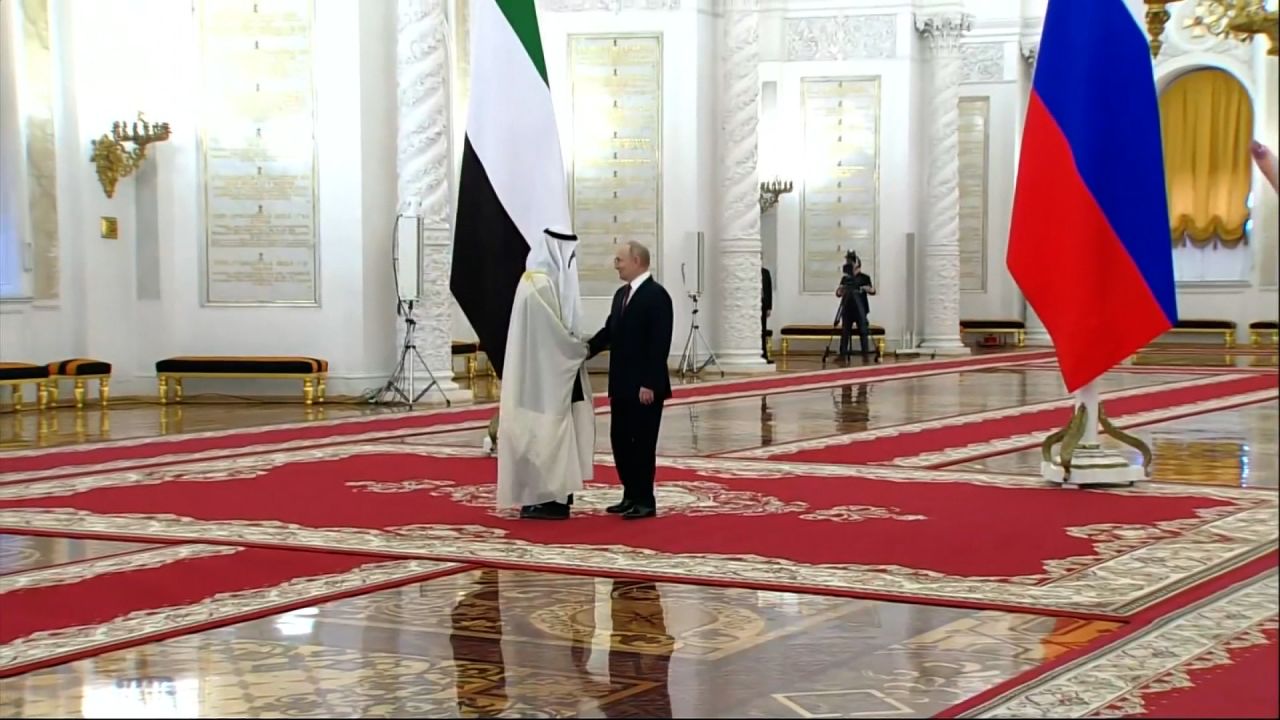
Mohammed Bin Zayed, President of the United Arab Emirates, met with Vladimir Putin, President of Russia, in Moscow on March 10, 2024. The discussions primarily focused on the escalating situation in Iran, with Putin indicating that he is closely monitoring developments. This meeting occurs just ahead of a significant diplomatic event: negotiations involving Russia, Ukraine, and the United States scheduled to take place in Abu Dhabi.
The discussions between Bin Zayed and Putin reflect the UAE’s increasing involvement in global geopolitical matters, particularly in regions experiencing tension. The dialogue between the two leaders underscores the UAE’s position as a key player in international diplomacy, especially regarding issues affecting the Middle East.
Strategic Dialogue and Regional Stability
During their meeting, Putin expressed his concerns about the current unrest in Iran, emphasizing the potential implications for regional stability. The ongoing tensions in Iran have drawn the attention of various global powers, with both Russia and the UAE recognizing the importance of a coordinated approach to address the complexities of the situation.
The upcoming negotiations in Abu Dhabi aim to foster dialogue between Russia, Ukraine, and the United States. These talks are particularly crucial as they come in the wake of ongoing conflicts and diplomatic strains, highlighting the need for effective communication and collaboration among these nations.
Bin Zayed and Putin have a history of engaging in discussions that seek to enhance bilateral relations. Their recent meeting indicates a shared commitment to addressing pressing global issues, particularly those that impact their respective countries and the broader international community.
Implications for Future Negotiations
The timing of this visit is significant, as it positions the UAE as a central hub for international diplomacy. The negotiations set for March 12, 2024, in Abu Dhabi are expected to attract considerable attention, with multiple stakeholders involved, including high-ranking officials from the U.S. and Ukraine.
Analysts suggest that the outcome of these discussions could influence not only the dynamics between Russia and Ukraine but also the broader geopolitical landscape in the Middle East. The UAE’s role as a mediator may open pathways for new alliances and strategies aimed at promoting peace and stability in regions affected by conflict.
As the situation unfolds, the UAE’s diplomatic efforts, combined with Russia’s strategic interests in the region, will likely shape future interactions among these nations. The international community will be closely watching the developments from Abu Dhabi, as the stakes are high for all parties involved.

Robinhood Stock Surges 2.5% Today Amid Tech Market Recovery

Philadelphia’s Earth Month Kicks Off with Free Events in Parks

GSK’s Inhaler Decision Sparks Health Concerns for Children

Bradford’s Fish Fry Fridays Offer Community Spirit and Flavor

Speculation Rises on Shutdowns During Trump’s Potential Presidency

Samsung Galaxy Watch 9 to Feature Larger Battery, Report Reveals

Inventors Find New Purpose Through Unconventional Paths

UConn Huskies Aim for Back-to-Back Titles in 2026 NCAA Tournament

U.S. Mine Countermeasure Ships Dock in Malaysia for Logistics Stop

University of Hawaiʻi at Mānoa Joins $25.6M AI Initiative for Disaster Monitoring

$2.2 Million Boost for Cancer Research and Training in Hawaiʻi

ALMA Discovers Companion Orbiting Red Giant Star π 1 Gruis

Sacituzumab Govitecan Shows Promise for HR+/HER2− Breast Cancer

币安人生 Sees $15.92 Million in Trading Volume Amid Market Fluctuations

New Gel Offers Hope for Regrowing Tooth Enamel in Dentistry

CAVA Group Shares Surge 5.1% Amid Mixed Analyst Ratings

Christian Bale in Talks to Join Leonardo DiCaprio in Heat 2

Supreme Court to Review Birthright Citizenship for Children of Immigrants
-
Science9 months ago
University of Hawaiʻi at Mānoa Joins $25.6M AI Initiative for Disaster Monitoring
-
 Health7 months ago
$2.2 Million Boost for Cancer Research and Training in Hawaiʻi
-
 Science8 months ago
ALMA Discovers Companion Orbiting Red Giant Star π 1 Gruis
-
 Health7 months ago
Sacituzumab Govitecan Shows Promise for HR+/HER2− Breast Cancer
-
Politics5 months ago
币安人生 Sees $15.92 Million in Trading Volume Amid Market Fluctuations
-
 Health9 months ago
New Gel Offers Hope for Regrowing Tooth Enamel in Dentistry
-
 Business7 months ago
CAVA Group Shares Surge 5.1% Amid Mixed Analyst Ratings
-
 Entertainment8 months ago
Christian Bale in Talks to Join Leonardo DiCaprio in Heat 2
-
 Politics7 months ago
Supreme Court to Review Birthright Citizenship for Children of Immigrants
-

 Lifestyle8 months ago
Art Deco and Traditional Designs Set to Transform Homes in 2026
-

 Lifestyle7 months ago
Fernando Mendoza Secures Maxwell and O’Brien Awards Ahead of Heisman
-

 World8 months ago
Swiss Residents Reject 50% Inheritance Tax on Wealthy